Staff Report
Russia has launched one of its largest coordinated attacks against Ukraine in recent months, striking multiple regions with drones, cruise missiles, and ballistic weapons even as international diplomats attempt to revive pathways toward a negotiated settlement. The assault highlights the widening gap between battlefield realities and diplomatic rhetoric, raising doubts about the viability of ongoing peace initiatives.
The attack, which Ukrainian air defense officials described as “exceptionally dense and complex,” targeted major cities, critical energy infrastructure, military facilities, and transportation hubs. Air raid sirens echoed across the country as waves of missiles approached from multiple vectors—air, sea, and land—underscoring Moscow’s intent to overwhelm Ukraine’s layered defense systems.
The timing is particularly notable: it comes as global mediators, including envoys from the United Nations, the European Union, and several nonaligned countries, intensify discussions aimed at reducing hostilities and laying the groundwork for potential ceasefire parameters.
A Coordinated Assault Across Multiple Fronts
Ukrainian authorities reported strikes in Kyiv, Kharkiv, Odesa, Dnipro, Lviv, and Zaporizhzhia, along with numerous smaller settlements. The scale suggests a synchronized strategy intended to:
- Test and exhaust Ukraine’s air defense network
- Disrupt critical infrastructure ahead of the winter season
- Undermine Ukrainian morale and resilience
- Signal strength amid diplomatic pressure
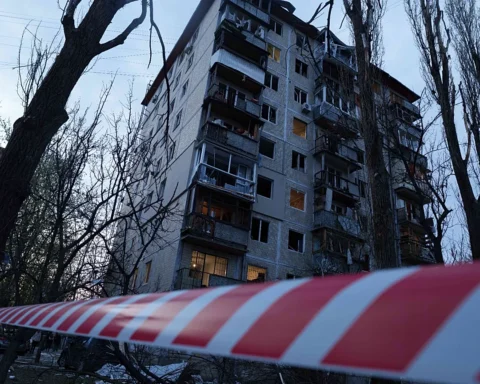
Preliminary assessments indicate that Russia deployed a mix of Shahed-type drones, Iskander ballistic missiles, Kalibr cruise missiles, and air-launched weapons such as Kh-22 and Kh-101. Ukraine’s air force said it intercepted a significant number of incoming threats but acknowledged that some penetrated defenses, causing damage to electrical substations, heating plants, and military logistics routes.
Civilian casualties are still being counted, but early reports indicate fatalities and dozens of injuries across multiple regions.
Peace Talks Meet Battlefield Escalation
The sudden escalation raises questions about Moscow’s intentions amid growing international efforts to engineer a diplomatic off-ramp.
1. Mixed Signals From Moscow
While Russian officials have publicly stated they are open to dialogue under certain conditions, military actions indicate a competing objective: shaping the battlefield to strengthen negotiating leverage or forcing Ukraine into concessions.
2. Diplomatic Push Continues Despite Violence
European capitals, the UN, and several states in the Global South have been quietly exploring pathways to de-escalation. These include humanitarian corridors, prisoner exchanges, and the beginnings of a framework for a ceasefire. But analysts warn that diplomacy cannot progress without a reduction in active hostilities, something neither side currently appears ready to offer.
3. Ukraine’s Stance Remains Firm
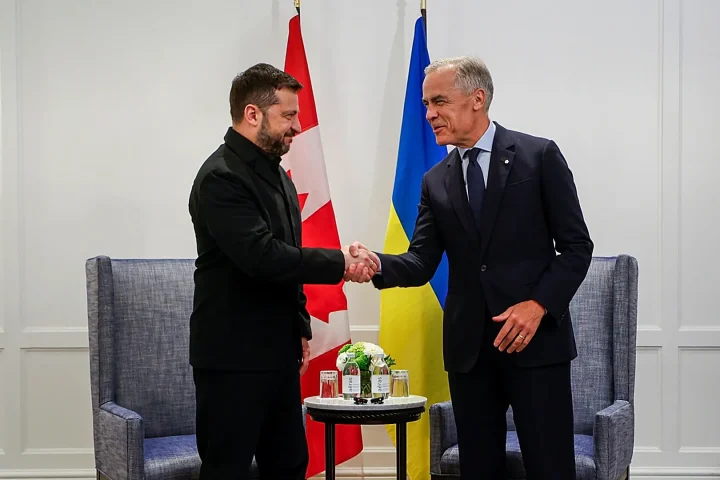
President Volodymyr Zelensky has repeatedly insisted that any peace process must begin with Russia ceasing attacks and withdrawing forces from occupied territories. Ukrainian officials argue that concessions made under fire would only incentivize further aggression.
Strategic Motives Behind the Attack
Experts note several possible motivators for Russia’s decision to launch such a large-scale operation at this moment:
A. Battlefield Pressure and Attrition Strategy
Russia continues to pursue a war of attrition, seeking to degrade Ukraine’s critical infrastructure and force Kyiv to divert resources to civilian protection.
B. Winter as a Weapon
Attacks on energy facilities are consistent with Moscow’s seasonal strategy of using winter conditions to strain Ukrainian society and government functions.
C. Messaging to the West
The attack sends a clear signal to NATO and EU countries that Russia retains the capacity—and willingness—to escalate sharply despite sanction regimes, military aid shipments to Ukraine, and international diplomatic pressure.
D. Influence Over Peace Dynamics
By intensifying strikes during peace discussions, Moscow may be attempting to dictate the terms and timing of any future negotiations.
Ukrainian Response and Calls for More Air Defense
Ukrainian leaders responded swiftly, condemning the strikes and reiterating calls for increased Western support, particularly advanced air defense systems like the Patriot, NASAMS, and SAMP/T.
Energy officials reported widespread but manageable outages; repair teams have been dispatched but warned that repeated strikes could lead to prolonged blackouts during the coldest months of the year.
Ukraine’s foreign ministry described the assault as evidence that Moscow is “not interested in peace, but in domination,” urging allies to accelerate weapons deliveries and impose further sanctions.
Global Reaction: Condemnation and Concern
United States & NATO Allies
Washington, London, and Brussels issued statements condemning the attack, calling it a “flagrant attempt to destabilize conditions for peace.” NATO officials noted that the strikes demonstrate the continued need for long-term security assistance to Ukraine.
United Nations
UN leadership expressed alarm that the attack occurred amid tentative peace efforts, calling for “immediate restraint” and reiterating the humanitarian toll on civilians.
Nonaligned Nations
Countries like India, Brazil, South Africa, and Turkey expressed concern but stopped short of outright condemnation, emphasizing the need for continued diplomatic engagement to prevent further escalation.
Peace Efforts Face Their Most Difficult Moment
As the war grinds on past the thousand-day mark, hopes for a negotiated settlement have grown increasingly fragile. The latest Russian attack underscores the deep challenge facing mediators: both sides believe time can work in their favor, and neither is prepared to concede strategically meaningful ground.
Even so, diplomats insist that maintaining dialogue is essential, if only to prevent worse outcomes—including an uncontrolled escalation that could spread beyond Ukraine’s borders.
For now, the conflict remains locked in a cycle of diplomacy punctuated by violence, with each major strike reshaping the political landscape and complicating the path to any sustainable peace.
Conclusion: Violence Overshadows Diplomacy
Russia’s massive new attack on Ukraine highlights the precarious balance between military escalation and ongoing peace efforts. While world leaders attempt to engineer a roadmap toward negotiations, events on the ground demonstrate that the war continues to evolve militarily at a rapid pace.
Until both sides are willing to pause hostilities—or until external pressures force a recalibration—the prospect of meaningful peace remains uncertain. The latest escalation is a reminder that even amid active diplomatic outreach, the war remains very much alive, destructive, and unpredictable.