Staff Report
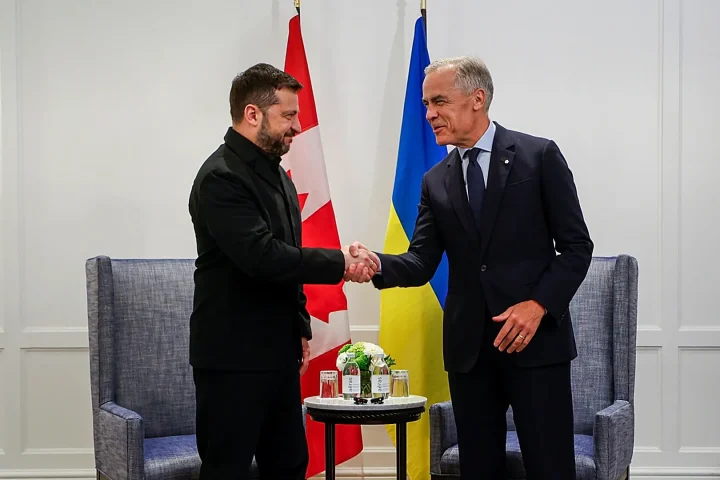
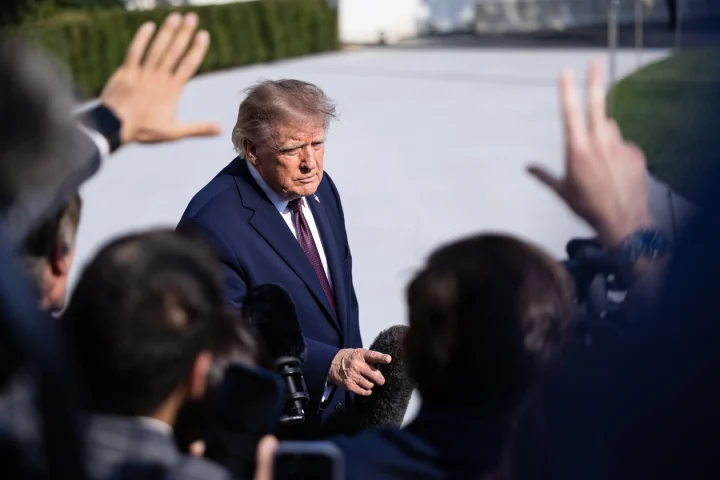
U.S. President Donald Trump has stated that Ukrainian President Volodymyr Zelenskyy is “not ready” to sign a U.S.-backed peace agreement aimed at ending the war with Russia, following a high-level negotiation round that concluded on Saturday. The remark comes after American and Ukrainian delegations engaged in three days of intensive talks, signaling renewed efforts by Washington to push forward a diplomatic framework capable of halting one of the most consequential conflicts of the 21st century.
The discussions, held in a closed-door setting in Europe, were described by U.S. officials as “constructive” and “substantive,” but not yet decisive. Trump’s public assessment suggests that Kyiv remains cautious about accepting terms that could freeze the war, reshape territorial control, or influence Ukraine’s path toward NATO and EU integration.
A Rare Public Acknowledgment of Negotiation Friction
President Trump’s comment—made during an interview in Washington—marks one of the most explicit public signals to date that the U.S. and Ukraine may be diverging on certain core elements of a peace proposal. The president emphasized that while Washington is committed to supporting Ukraine militarily and diplomatically, the “window for negotiation” cannot remain open indefinitely.
“Zelenskyy is a good man, but he’s not ready to sign anything yet,” Trump said. “We’ve put forward a strong plan. The Ukrainians are thinking about it, but they’re not there.”
While Trump did not detail which specific provisions Kyiv rejected or sought to renegotiate, analysts note that any agreement imposing territorial compromises, limits on military activity, or neutrality conditions would be viewed as politically and strategically sensitive for Ukraine.
Kyiv’s Position: Supportive of Peace — but Not at Any Price
Ukraine has consistently maintained that any peace deal must:
- Ensure the nation’s long-term security
- Uphold the principles of sovereignty and territorial integrity
- Prevent future Russian aggression
- Avoid isolating Ukraine from Western alliances
Ukrainian officials have not publicly commented on the latest negotiation round, but insiders suggest that Kyiv remains wary of proposals that could lock in Russian gains or weaken Ukraine’s path toward NATO integration.
Given the sacrifices of the past four years and the immense domestic pressure, Zelenskyy faces limited political room to accept a deal perceived as conceding to Moscow.
The U.S.-Backed Framework: What’s at Stake?
Although the full details remain confidential, sources familiar with the talks say the U.S.-drafted peace framework includes several key components:
1. A Ceasefire and Freeze of Hostilities
This would halt active fighting and establish monitored lines of control.
2. Security Guarantees for Ukraine
Possibly involving U.S. defense cooperation, long-term weapons supply, and joint training programs.
3. Gradual Steps Toward Reconstruction
A multi-year commitment from the U.S. and EU, including access to frozen Russian assets under a regulated plan.
4. Potential Territorial Clauses
One of the most difficult elements, as Washington is said to be exploring options that stop active conflict without settling borders immediately.
5. Sanctions Adjustments
The U.S. may consider phased sanctions relief tied to Russian compliance, although this remains contentious.
Any combination of these measures would profoundly shape Ukraine’s future security and geopolitical position.
Why Ukraine May Be Hesitant
Experts identify several reasons for Zelenskyy’s reluctance:
A. Territorial Issues Remain Red Lines
Any agreement that implicitly legitimizes Russian control over occupied areas could be politically unacceptable in Kyiv.
B. Fear of a Temporary Ceasefire
Ukraine fears Russia may use any pause to regroup, rearm, and strike again in the future.
C. Security Guarantees Require Ironclad Commitments
Kyiv wants NATO-level assurances—something the U.S. may not be willing to deliver fully.
D. Domestic Political Pressure
After years of sacrifice, the Ukrainian public expects a settlement that reflects Ukraine’s core national goals.
Washington’s Perspective: Time Is Running Out
From the U.S. standpoint, the ongoing war carries increasing risks:
- Military aid fatigue within Congress
- Financial strain from long-term commitments
- Escalation risks involving NATO borders
- Global economic disruptions tied to energy and food prices
- Strategic concerns about China and the Indo-Pacific requiring U.S. resources
The Biden and Trump administrations alike have sought pathways toward negotiation, but Trump’s direct acknowledgment reflects a sense of urgency.
Russia’s Position: Watching From the Sidelines
Moscow has not formally responded to the U.S.-Ukraine negotiation round, but the Kremlin has repeatedly stated that any deal must recognize “new realities” — widely interpreted as demands for recognition of Russian control in occupied territories.
Russian officials likely view Ukraine’s hesitation as confirmation that Kyiv remains unwilling to accept concessions Moscow considers non-negotiable.
European Allies Urge Caution and Unity
European leaders, while supportive of diplomatic efforts, have warned against:
- Pressuring Ukraine into premature concessions
- Creating divisions within the Western coalition
- Rewarding Russian aggression
Some EU officials worry that a rushed settlement could undermine European security architecture for decades.
What Happens Next?
➡️ Further negotiation rounds are expected
Both U.S. and Ukrainian officials believe more technical talks will be necessary.
➡️ No immediate deal is anticipated
Trump’s comments suggest significant gaps remain.
➡️ Military conditions on the ground will influence diplomacy
Any change—positive or negative—for Ukraine could reshape its negotiating position.
➡️ Domestic politics in both countries will play a major role
Zelenskyy faces internal pressures; Trump faces strategic considerations ahead of election cycles.
Conclusion: A Complex Moment in a High-Stakes Conflict
President Trump’s statement that Zelenskyy “isn’t ready” to sign a U.S.-backed peace deal underscores the enormous complexity surrounding efforts to end the Ukraine war. While Washington seeks a political resolution, Ukraine remains cautious about agreements that may compromise its sovereignty or security in the long term.
The coming months may determine whether diplomacy gains traction—or whether the war continues, shaped by evolving military, political, and global dynamics. For now, the negotiations continue, but the road to a lasting peace remains uncertain and fraught with challenges.