Staff Report
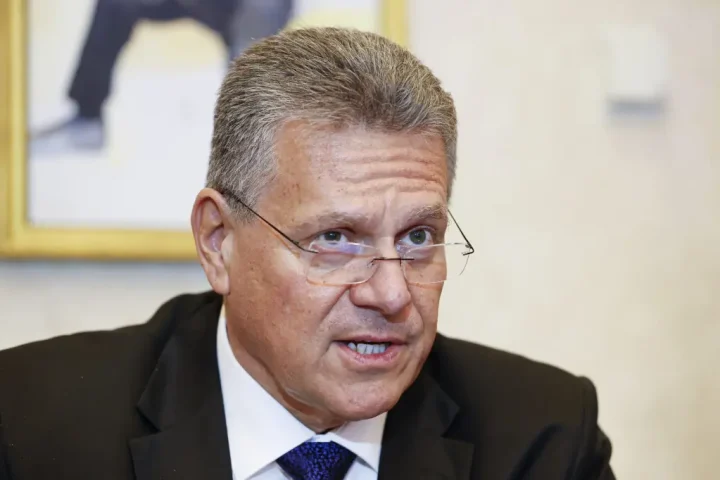
While much of Europe grapples with an increasingly fraught and often hostile debate surrounding migration, Spain’s Economy Minister, Carlos Cuerpo, presents a starkly different perspective. He argues that migration is not merely a challenge to be managed, but a significant economic opportunity, a view he believes is frequently obscured by what he terms “false narratives.” This stance comes as Spain positions itself as one of the eurozone’s strongest performers, projecting a 2.9% growth rate this year, a figure that dwarfs the combined growth of economic powerhouses like Germany, France, and Italy.
Cuerpo’s conviction is rooted in Spain’s own recent experience. He points to data unequivocally demonstrating migration’s positive contribution to the Spanish economy, whether assessed in absolute figures or on a per capita basis. Research from the Bank of Spain earlier this year buttresses this claim, indicating that the foreign-born workforce in Spain added between 0.4 and 0.7 percentage points to the nation’s gross domestic product per capita, contributing to an average 2.9% growth between 2022 and 2024. This economic reality stands in sharp contrast to the politically charged discourse that often dominates headlines across the continent.
The minister does not shy away from acknowledging the darker undertones of the migration debate. When pressed on whether racism plays a role in some of the discussions, Cuerpo conceded that in certain instances, it does. His proposed antidote to such biases is not political rhetoric, but rather a steadfast commitment to presenting verifiable data and facts. He emphasizes that a significant disconnect exists between public perception and the actual data, a gap often widened by these “false narratives.” Cuerpo cited a Spanish survey where participants overestimated both the total number of migrants and the proportion receiving state benefits by a factor of two, highlighting a profound misperception that data could help rectify.
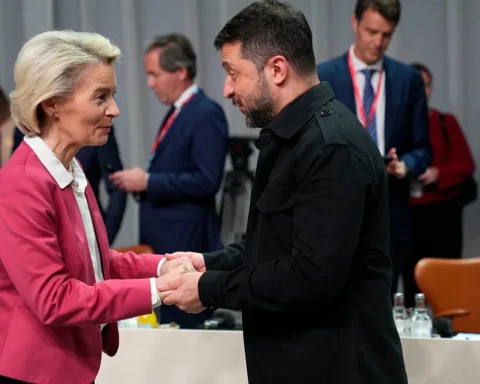
This perspective from Madrid arrives at a critical juncture for the European Union. The bloc faces the dual pressures of an aging population and persistent labor shortages, yet simultaneously confronts substantial political resistance from factions demanding stricter controls on irregular migration. Conservative and far-right parties across Europe are increasingly vocal in their calls for faster repatriations and more stringent monitoring of asylum and family reunification requests. European Commission President Ursula von der Leyen recently articulated a sentiment shared by many within these groups, stating that only Europeans should “decide who comes to Europe and crosses our borders, and under what circumstances.” Her announcement of a new sanctions mechanism targeting human traffickers further underscores the EU’s focus on control.
However, Cuerpo’s message from Spain, one of the few progressive governments currently in power within the EU, advocates for a different approach. He believes Madrid is demonstrating how to navigate these complexities by focusing on integration policies and challenging negative stereotypes. The minister highlights that while there is a clear distinction between legal and irregular migration, political discourse frequently conflates the two, further fueling public misunderstanding. He aims to shift the narrative from one of crisis to one of opportunity, emphasizing the need for a “positive message” regarding migration.
As EU interior ministers recently agreed to a sweeping overhaul of migration rules, potentially including the establishment of return hubs outside the bloc, the Spanish minister’s voice offers a counter-narrative rooted in economic pragmatism and empirical evidence. Cuerpo’s argument is that by confronting misinformation with data and prioritizing effective integration, Europe can harness the economic potential of migration rather than allowing fear to dictate policy. This approach, he suggests, is not just economically sound for Spain, but could serve as a blueprint for the entire continent.