Staff Report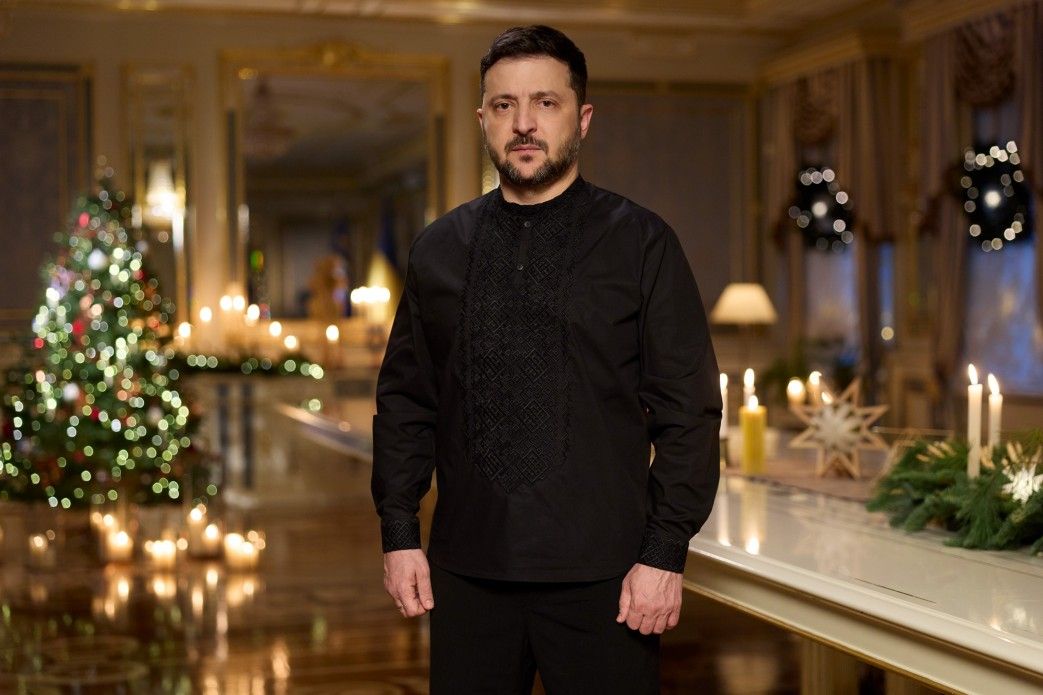
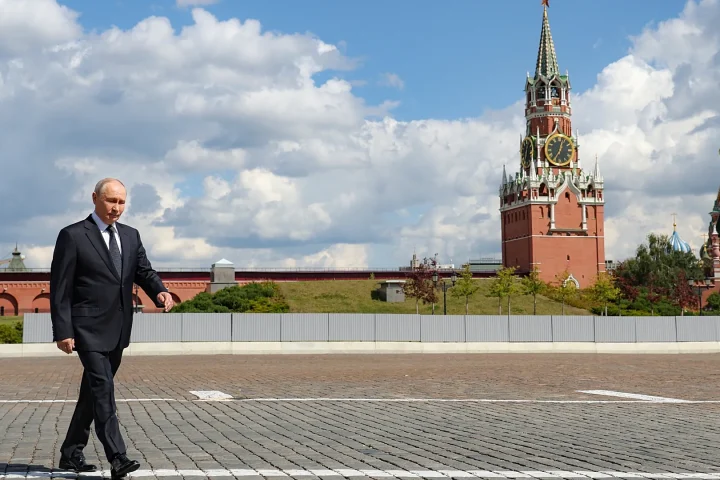
As Christmas Eve descended upon Ukraine, President Volodymyr Zelenskyy addressed his nation, articulating a collective sentiment that has become deeply embedded in the country’s wartime experience. He spoke of an ancient belief: that on this night, the heavens open, and a shared wish, deeply held, might come to fruition. This year, that singular wish, unspoken yet universally understood, centered on the demise of Russian President Vladimir Putin. Zelenskyy conveyed this stark sentiment, emphasizing that while such a thought might privately cross many minds, the broader appeal to a higher power was for something more profound: peace for Ukraine.
This plea for peace arrives amid a grim pattern of Russian aggression during the festive season. In 2022, during Ukraine’s inaugural Christmas of the full-scale conflict, Moscow launched a significant barrage of missiles and drones, targeting critical energy infrastructure. These attacks resulted in widespread power outages and civilian casualties, underscoring a deliberate strategy to disrupt and inflict hardship during a time traditionally associated with respite. Even a ceasefire ordered by Putin in January 2023, coinciding with the Julian calendar’s Christmas observance, proved largely hollow, with fighting continuing and reports of casualties across multiple Ukrainian regions.
The shift in Ukraine’s official Christmas celebration to December 25th in 2023, aligning with much of the Western world, did little to deter the ongoing conflict. Russian drone strikes on that day claimed four lives in Kherson. The preceding year, more than 70 missiles and over 100 drones were launched on December 25th, resulting in at least one fatality and leaving half a million people in the Kharkiv region without heating. These persistent attacks highlight Russia’s consistent use of the Christmas period not for de-escalation, but for intensified military action.
Zelenskyy’s Christmas Eve address also touched upon the enduring struggle for national identity and sovereignty. He reflected on what Ukrainians are defending: their homeland, their families, and the fundamental desire for peace and calm within their own homes. He spoke of the simple comforts – warmth, a good meal, togetherness – and emphasized that despite all adversities, the Ukrainian people remain united. This unity, he suggested, transcends physical proximity, binding Ukrainians whether they are separated or face to face.
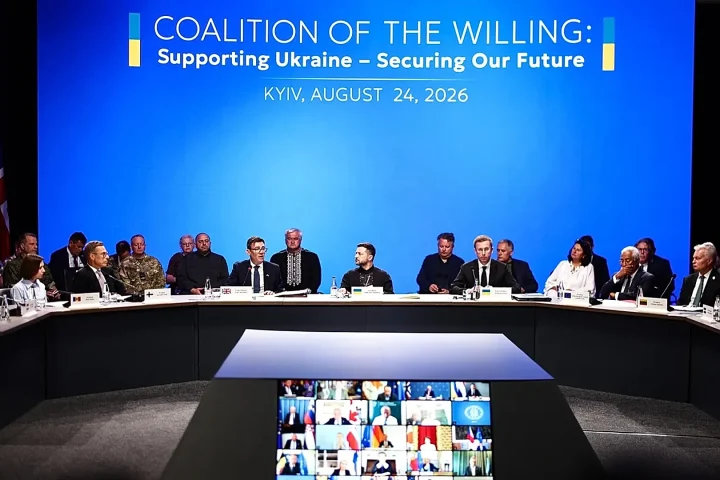
The presidential address coincided with discussions surrounding a US-led peace proposal. Zelenskyy revealed that Ukraine and the United States had reached a consensus on several critical issues aimed at resolving the nearly four-year conflict. However, significant hurdles remain, particularly concerning territorial control in Ukraine’s eastern regions and the management of the Zaporizhzhia nuclear power plant. The future of the Donbas region, encompassing Donetsk and Luhansk, continues to be a central and “most difficult point” in these negotiations. Russia maintains maximalist demands, insisting on Ukraine relinquishing additional territory in the Donbas that it has yet to capture, a demand Kyiv has consistently rejected.
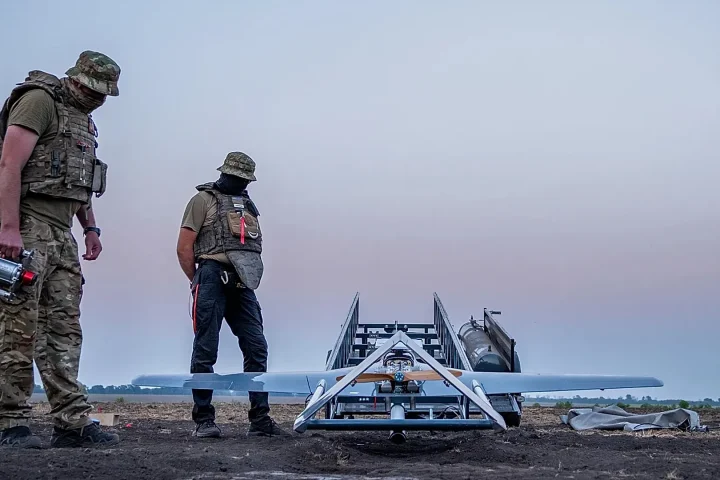
Moscow was expected to respond to the 20-point peace plan, though Kremlin spokesperson Dmitry Peskov indicated that Russia would “take into account” Washington’s communications to formulate its position. Meanwhile, the conflict continued unabated on Christmas Eve itself, with the Ukrainian air force reporting 131 drone launches by Russia. These strikes resulted in two fatalities and 35 injuries across several regions, including Kherson, Zaporizhzhia, Odesa, and Sumy. Amidst this ongoing violence, Zelenskyy concluded his address with an expression of hope, envisioning a future where goodness and truth prevail, leading to a victory of peace for Ukraine.