Staff Report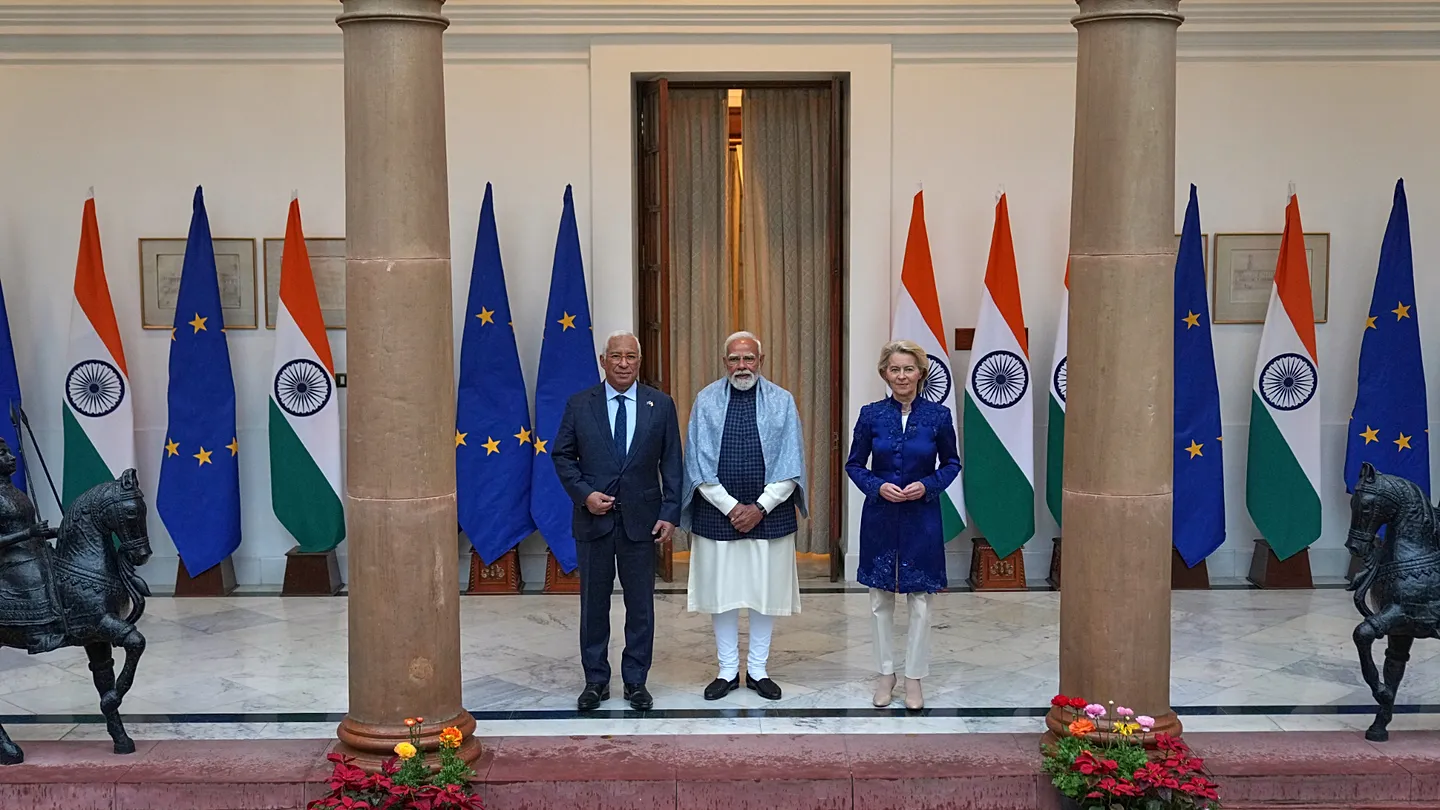
The agreement between the European Union and India stands as the largest bilateral trade pact either has ever signed, covering nearly two billion people and a significant portion of global economic output. This landmark deal arrives at a moment when geopolitical dynamics are increasingly influencing international trade patterns. Ursula von der Leyen, President of the European Commission, highlighted the historic nature of the deepened partnership between what she termed the world’s largest democracies, emphasizing the creation of a free trade zone expected to yield economic benefits for both sides.
Central to this agreement is a substantial reduction in tariffs. India has committed to eliminating or reducing duties on 96.6% of EU goods exports, while the EU will liberalize 99.5% of its tariff lines on goods imported from India over a seven-year period. For European exporters, the Commission projects annual savings of up to €4 billion in customs duties. These savings could be channeled back into production, salaries, or ultimately translate into lower consumer prices. Maroš Šefčovič, the Trade Commissioner, underscored the “win-win” potential of the agreement, prioritizing its rapid implementation so firms can quickly realize tangible benefits. With India’s average industrial tariffs exceeding 16%, among the highest globally, their reduction is particularly impactful for Europe’s capital-intensive sectors, which have long navigated significant barriers to the Indian market.
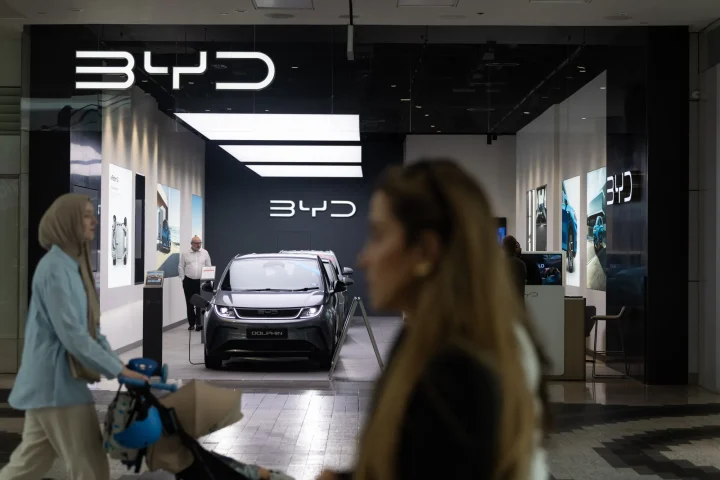
In 2024, EU exports to India reached approximately €75 billion, with goods accounting for €48.8 billion and services for an additional €26 billion. Machinery and electrical equipment represented the largest EU export category to India, valued at €16.3 billion. These products currently face tariffs as high as 44%, which are slated for elimination over a five- to ten-year timeframe. Aircraft and spacecraft exports, totaling €6.4 billion last year, will see existing duties of up to 11% reduced to zero, with tariff elimination phased in over periods up to ten years. EU chemical exports, worth €3.2 billion in 2024 and currently subject to tariffs up to 22%, will largely see these duties scrapped upon the agreement’s entry into force. Pharmaceutical exports, amounting to €1.1 billion with prevailing tariffs around 11%, are also set for full elimination over five to seven years. A notable change impacts the automotive sector, where Indian tariffs on motor vehicles will drop from 110% to as low as 10%, albeit with quotas, and car parts eventually becoming tariff-free. This shift opens access to one of the world’s fastest-growing large automotive markets for European manufacturers.
The potential economic gains extend beyond direct exports. The European Union estimates that its trade with India already supports around 800,000 jobs across the bloc. The new agreement is expected to bolster employment in manufacturing, services, and supply chains as trade volumes expand. Agriculture, historically a sensitive area in EU-India negotiations, is also poised for significant changes. Indian tariffs on agri-food products average 36% and can reach 150%, severely limiting European exports. In 2024, EU agri-food exports to India were only €1.3 billion, a mere 0.6% of the EU’s global agri-food trade, largely due to these prohibitive tariffs. Under the new pact, Europe’s high-value agri-food exports, including olive oil, wine, and confectionery, are set to gain meaningful access to India’s expanding middle-class consumer base. Wine exports, currently facing 150% tariffs, will see duties cut sharply to between 20% and 30%. Spirits, also subject to tariffs up to 150%, will benefit from a substantial reduction to a flat 40%, while beer tariffs will decrease from 110% to 50%. Olive oil, with tariffs up to 45%, will see duties fully eliminated, potentially broadening its consumption beyond premium niches. Christophe Hansen, EU Commissioner for Agriculture and Food, affirmed that European products would enjoy preferential access to the rapidly growing Indian market. Importantly, sensitive agricultural sectors such as beef, chicken, rice, and sugar have been excluded from liberalization, maintaining protection for European farmers, with Hansen assuring that high food safety standards for EU consumers remain non-negotiable.
On the import side, the European Union brought in €89.8 billion worth of goods from India in 2024, according to ITC Trademap.org data. Electrical machinery and equipment, including sound and television recording devices, constituted the largest import category at €13.4 billion, followed by organic chemicals at €11.9 billion. Imports of machinery and mechanical appliances, including nuclear reactors and boilers, reached €8.6 billion, while iron and steel shipments amounted to €6.2 billion. Pharmaceutical products accounted for €4.7 billion in EU imports from India, and textiles, specifically articles of apparel and clothing accessories, remained significant at €3.6 billion.
Beyond goods, the FTA represents a substantial stride in liberalizing services, a sector traditionally protected within India’s trade policy. India’s commitments regarding services under this FTA are its most ambitious to date, surpassing concessions made to partners like the United Kingdom and Australia. European companies can anticipate more predictable access to critical sectors such as financial services, maritime transport, and professional services, benefiting from clearer regulations on licensing, local presence, and management requirements. The European Commission projects that total EU services exports to India, which reached €26 billion in 2024, will grow substantially under the new legal and market access conditions. The agreement also includes a dedicated chapter for small and medium-sized enterprises (SMEs), aiming to address structural disadvantages and enable smaller firms to capitalize on the deal. Both sides will establish SME contact points and a shared digital platform to provide clear information on tariffs, customs procedures, and market entry requirements.
The FTA will now undergo legal revision and translation into all official EU languages before the European Commission submits it to the Council and European Parliament for approval. Concurrently, India must ratify the deal domestically. Once ratified by both parties, the agreement will come into force, with tariff reductions and regulatory provisions phased in over a period of up to ten years. For Europe, this agreement is not solely about exports but also about fostering economic resilience. With India’s economy expanding at over 6% annually and a young population of 1.45 billion, the deal positions India as a strategic partner in a region increasingly central to global economic power. The Commission anticipates the agreement will double EU goods exports to India by 2032, supporting jobs across manufacturing, agriculture, and services, signaling a long-term commitment to openness and growth through deeper economic ties between these two major democracies.