Staff Report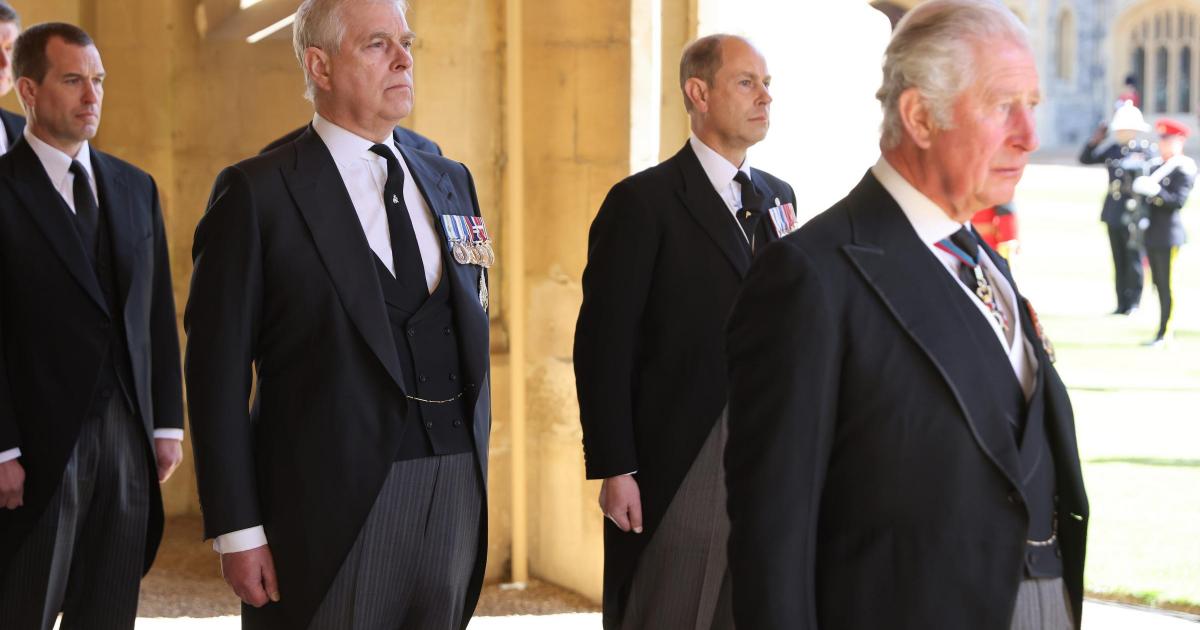
The news of Prince Andrew’s arrest, a development few anticipated, has unequivocally thrust the British royal family into a predicament unlike any it has faced in modern memory. This isn’t merely another scandal to be navigated with carefully worded statements and strategic public appearances; rather, it represents a profound challenge to the institution’s very fabric, forcing a re-evaluation of its traditional insulation from the criminal justice system. The immediate aftermath has seen a flurry of activity behind palace walls, undoubtedly grappling with the optics and legal ramifications of a situation that has no direct historical precedent for a senior royal.
For decades, the monarchy has relied on a delicate balance of deference, tradition, and a carefully cultivated public image to maintain its standing. While individual members have certainly encountered their share of controversies, the prospect of a direct criminal charge against a prominent figure like Prince Andrew, who was once third in line to the throne, shatters this established equilibrium. The implications extend far beyond the individual, touching upon the symbolic power of the Crown and the public’s perception of accountability. This event forces a direct confrontation with the notion that even those at the highest echelons of society are subject to the same laws as ordinary citizens, a concept often preached but rarely tested with such high stakes in royal circles.
The legal process itself promises to be a drawn-out and intensely scrutinized affair. Every procedural step, every court appearance, and every piece of evidence will be dissected by global media and an increasingly skeptical public. This level of granular examination is anathema to the royal family’s typical approach to managing challenging situations, which often involves a degree of privacy and carefully managed information flow. The modern era of instant news and pervasive social media ensures that there will be no escaping the relentless spotlight, transforming what might once have been a contained incident into an ongoing public spectacle.
Furthermore, the arrest raises urgent questions about the succession and the future roles of other working royals. With Prince Andrew’s public duties already curtailed following previous controversies, this latest development effectively severs any remaining official ties he might have had to the machinery of the monarchy. The burden of maintaining public engagement and upholding the family’s charitable endeavors will inevitably fall more heavily on a smaller pool of senior members, particularly Prince William and Catherine, and, of course, King Charles himself. Their ability to navigate this unprecedented period without further erosion of public trust will be a defining test of their leadership.
The long-term impact on the monarchy’s standing, both domestically and internationally, remains to be seen. While the institution has demonstrated remarkable resilience through centuries of upheaval, the current climate of heightened scrutiny and demands for transparency presents a unique challenge. This isn’t just about the guilt or innocence of one individual; it’s about how an ancient institution adapts, or fails to adapt, to the demands of contemporary society for justice and accountability. The coming months will undoubtedly shape the narrative surrounding the British royal family for years to come, marking a distinct departure from its well-trodden path.