Staff Report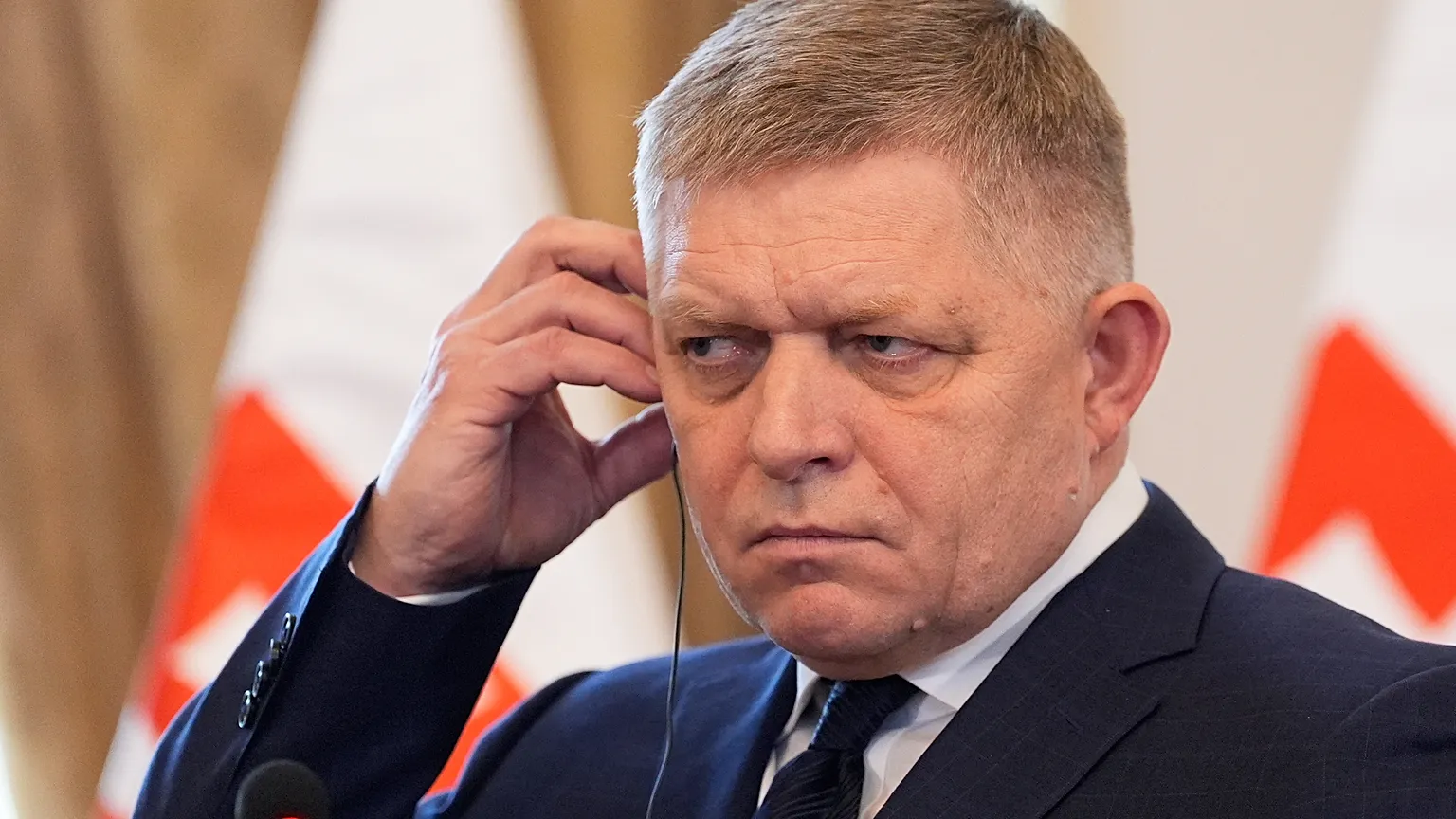
Slovakia has ended emergency electricity supplies to Ukraine, a decision announced by Prime Minister Robert Fico, following an ultimatum regarding the halted transit of Russian oil via the Druzhba pipeline. This move signals a deepening dispute, with Bratislava indicating that Kyiv will no longer receive assistance to stabilize its energy network should further requests be made. The cessation of aid comes after Fico’s demand that Ukraine restore oil flows by Monday, a deadline that passed without resolution.
The core of the contention revolves around the Druzhba pipeline, which ceased operations on January 27. Ukraine attributes this disruption to a Russian drone strike near Brody in the western part of the country, damaging critical equipment. Ukrainian officials stated at the time that technical inspections were underway amidst threats of further attacks, proposing alternative transit routes such as the Odesa-Brody pipeline as temporary measures. However, both Prime Minister Fico and Hungarian Prime Minister Viktor Orbán have publicly disputed Ukraine’s account, suggesting that no technical obstacles impede the resumption of supplies. Fico specifically mentioned that Slovakia’s ambassador in Kyiv was denied access to the purportedly damaged section of the pipeline, an assertion he used to characterize the oil flow stoppage as a “purely political decision to blackmail Slovakia.”
Kyiv’s Foreign Ministry strongly condemned Fico’s ultimatum, labeling it as “blackmail” that inadvertently serves Russian interests. They responded on Sunday by stating that “Ultimatums should be sent to the Kremlin, and certainly not to Kyiv.” This diplomatic exchange underscores the growing tension between the two nations, even as Russia’s full-scale invasion of Ukraine enters its fourth year, a conflict marked by repeated targeting of Ukrainian energy infrastructure.
The implications of this dispute extend beyond electricity supply. Fico has warned that if oil transit is not restored, Slovakia is prepared to consider further measures, including potentially reevaluating its support for Ukraine’s bid for EU membership. This stance mirrors actions taken by Hungary, which last week suspended diesel deliveries to Ukraine and threatened to obstruct a €90 billion EU loan package to Kyiv unless Russian oil supplies are reinstated. Hungarian Foreign Minister Péter Szijjártó also indicated Budapest’s intent to block the EU’s 20th sanctions package against Russia. Such positions have drawn criticism from several EU foreign ministers, including Germany’s Johann Wadephul, who expressed astonishment at Hungary’s approach.
Slovakia had previously declared a state of oil emergency following the pipeline shutdown, a measure intended to ensure its refinery could meet domestic demand despite the disruption. The broader context of these developments highlights the intricate energy dependencies within Europe and the geopolitical complexities that continue to shape regional alliances and policies, particularly given Russia’s ongoing aggression against Ukraine. The cessation of emergency power supplies from Slovakia marks a significant turn in a situation already fraught with economic and political challenges for Ukraine as it continues to defend itself against persistent attacks on its infrastructure.