Staff Report
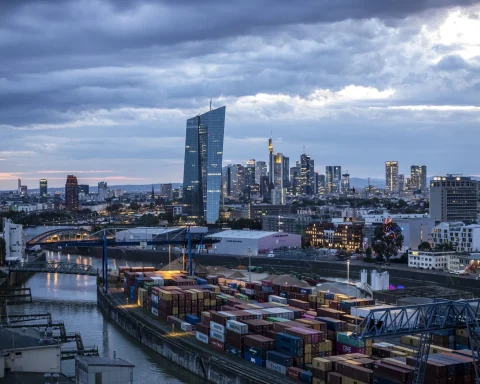
The economic powerhouse of Europe is currently navigating a treacherous path between its environmental aspirations and the harsh realities of global industrial competition. For years, Germany has positioned itself as the global leader of the Energiewende, a massive structural shift toward renewable energy. However, recent legislative shifts and public discourse suggest that the government may be quietly recalibrating its timeline to prevent an economic slowdown that could hollow out its manufacturing core.
The pressure on Berlin has intensified following a series of energy shocks triggered by geopolitical instability. While the commitment to carbon neutrality by 2045 remains technically on the books, the interim goals for 2030 are looking increasingly difficult to achieve. Industry leaders have warned that the high cost of electricity is driving German companies to relocate their production facilities to the United States or China, where energy prices are significantly lower. This threat of deindustrialization has forced policymakers to reconsider how quickly they can phase out traditional power sources without leaving the grid vulnerable.
One of the primary friction points involves the expansion of wind and solar infrastructure. Despite federal mandates intended to streamline the bureaucratic process, local opposition and administrative bottlenecks continue to stall major projects. To meet its 2030 targets, Germany would need to install several wind turbines every single day, a pace that has proven elusive in the face of supply chain constraints and a shortage of skilled labor. This physical reality is clashing with the legislative idealism that defined the early years of the current coalition government.
Furthermore, the resurgence of coal as a temporary backup measure has raised eyebrows among international climate observers. While officials insist these are short-term necessities to ensure energy security, the optics of reopening coal-fired plants contradict the image of a nation leading the green revolution. The debate has now shifted toward the role of natural gas and hydrogen. The government is investing heavily in new gas power plants that are supposedly hydrogen-ready, but critics argue this is a gamble on technology that is not yet scalable at the required cost.
Public sentiment is also shifting as the financial burden of the transition becomes more apparent to the average citizen. Rising heating costs and the controversial phase-out of gas boilers have sparked significant political backlash, empowering populist movements that capitalize on economic anxiety. This domestic pressure makes it politically risky for the government to double down on aggressive climate mandates during an election cycle. The result is a more pragmatic, albeit slower, approach to the transition.
Ultimately, Germany is not necessarily abandoning its climate goals, but it is certainly redefining what success looks like. The focus is shifting from a purely environmental perspective to one that prioritizes energy sovereignty and industrial survival. If Berlin can manage to integrate renewable energy while maintaining its status as a manufacturing giant, it will provide a blueprint for the rest of the world. If it fails, the German experience may serve as a cautionary tale about the limits of rapid green transformation in a complex global economy.