Staff Report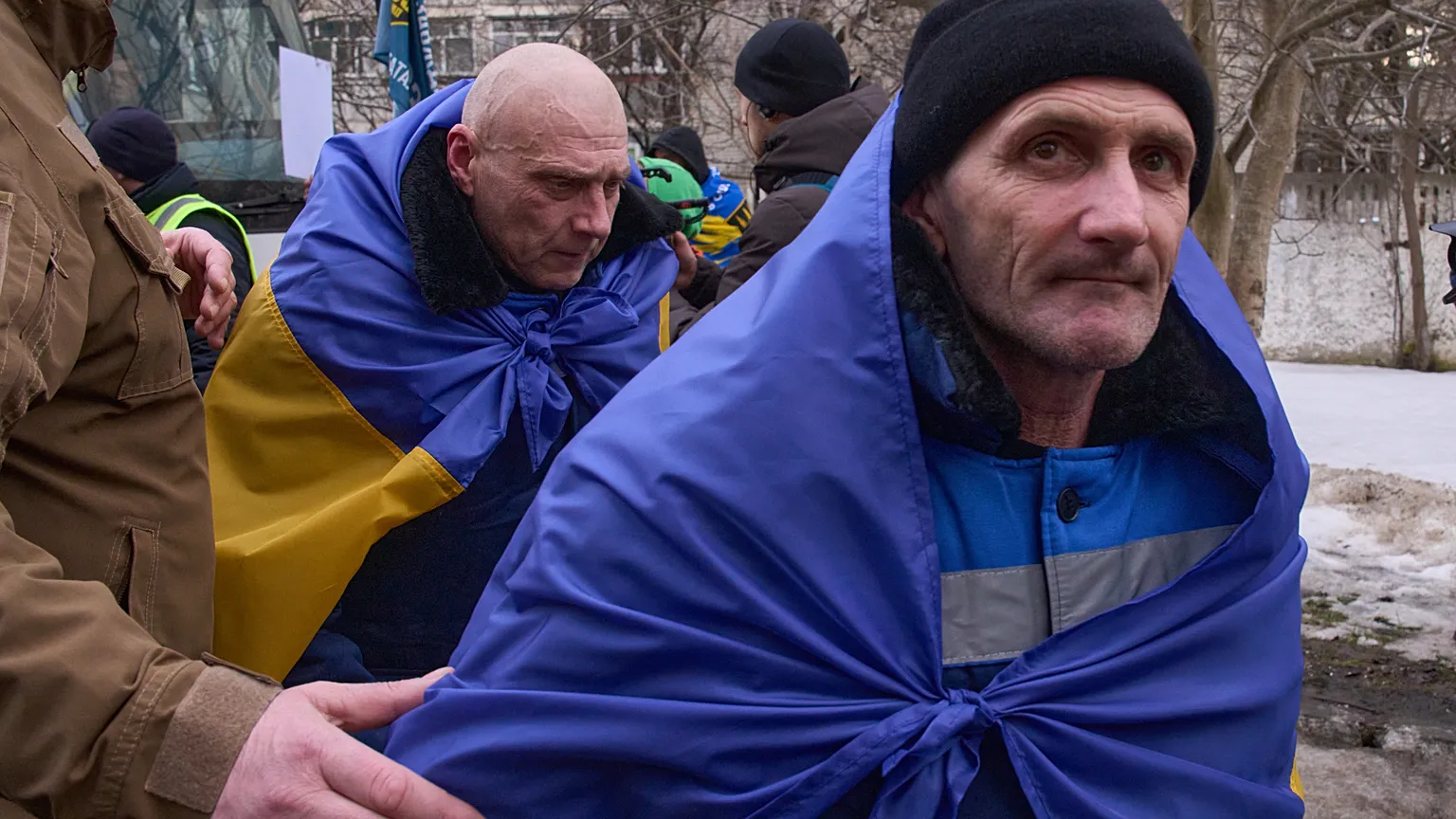
The exchange of 175 prisoners of war by both Ukraine and Russia unfolded on Saturday, just hours before a temporary ceasefire, declared for Orthodox Easter, was scheduled to commence. This carefully coordinated prisoner swap, facilitated by the United Arab Emirates, provided a brief respite from the relentless hostilities that have characterized the conflict. The exchange took place against a backdrop of overnight drone attacks from both sides, illustrating the persistent tension even as diplomatic efforts for a temporary truce moved forward.
In the preceding hours, the skies over Ukraine had been active with Russian drones. Ukrainian authorities reported that at least 160 drones were launched, resulting in four fatalities and numerous injuries across the country’s eastern and southern regions. Odesa, a critical Black Sea port city, bore a significant brunt of these assaults. Residential areas in Odesa were hit, with apartment buildings, private homes, and even a kindergarten sustaining damage, leaving at least two individuals wounded. Simultaneously, Russia’s Defense Ministry claimed to have intercepted 99 Ukrainian drones over Russian territory and occupied Crimea, highlighting the reciprocal nature of these aerial engagements.
Russian President Vladimir Putin had announced the 32-hour ceasefire on Thursday, instructing Russian forces to pause hostilities from 4 p.m. Saturday until the close of Sunday. Kremlin spokesman Dmitry Peskov characterized this directive as a “humanitarian” gesture, though he reiterated Moscow’s commitment to a comprehensive settlement based on its established demands. These demands have consistently been a point of contention, preventing any broader agreement between the warring nations.
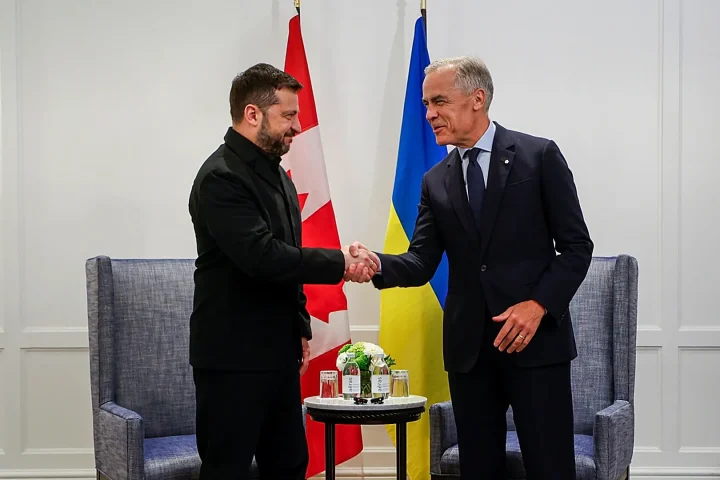
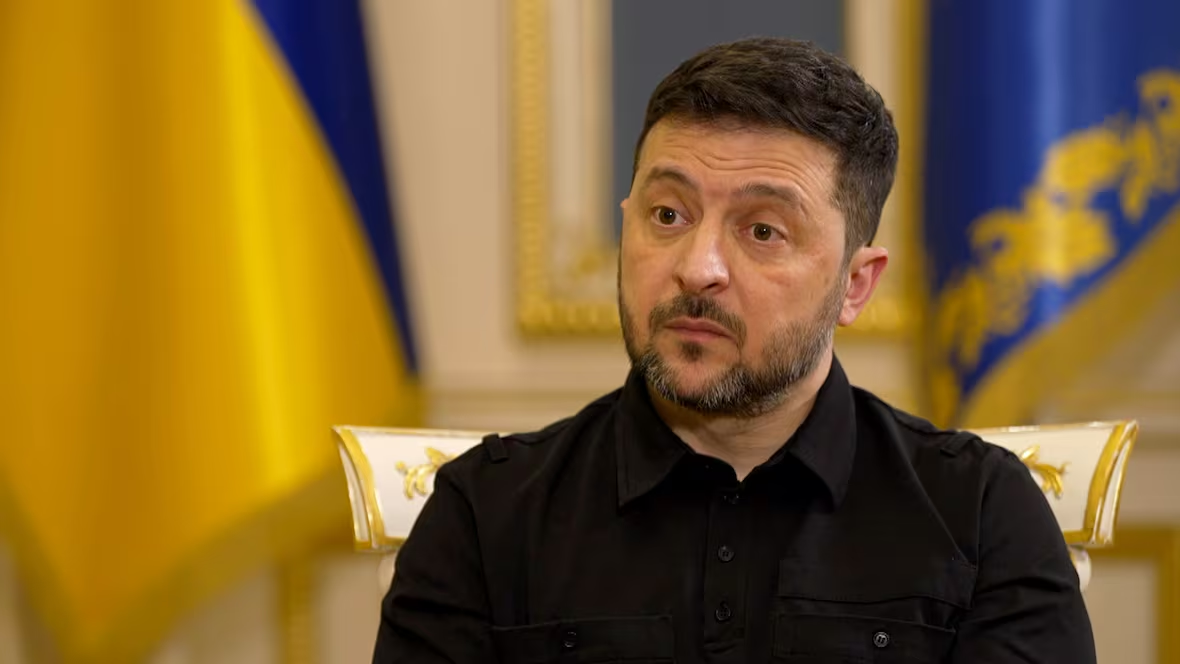
Ukrainian President Volodymyr Zelenskyy, while pledging adherence to the ceasefire, also issued a stern warning against any violations. He framed the truce as a potential step towards broader peace initiatives. Zelenskyy stated in an online post on Saturday that Easter should be a period of “silence and safety,” suggesting that an Easter ceasefire could potentially initiate genuine progress towards peace. However, he also acknowledged the nature of the opposing forces, asserting that Ukraine would uphold the ceasefire but would “respond strictly in kind” to any breaches.
This year’s Orthodox Easter ceasefire echoes a similar attempt by President Putin last year. During that period, despite calls for a truce, both sides reported numerous violations, underscoring the fragility of such temporary agreements in the ongoing conflict. The prisoner exchange, however, represents a concrete, if limited, instance of cooperation, offering a momentary glimpse of de-escalation amidst the sustained conflict. The meticulous arrangements required for such an exchange, even as drone attacks continued, speaks to the complex and often contradictory dynamics of the present situation.