Staff Report
For decades, the standard European summer itinerary followed a predictable path through the Greek islands, the Italian Amalfi Coast, and the sprawling beaches of the Spanish Costa del Sol. However, a significant shift in traveler sentiment and economic reality is currently reshaping the continent’s tourism map. As traditional hotspots grapple with record-breaking heatwaves and the mounting pressures of over-tourism, a new contender has stepped into the spotlight. The Albanian Riviera is no longer a hidden secret for backpackers but has matured into a premier destination for luxury seekers and families alike.
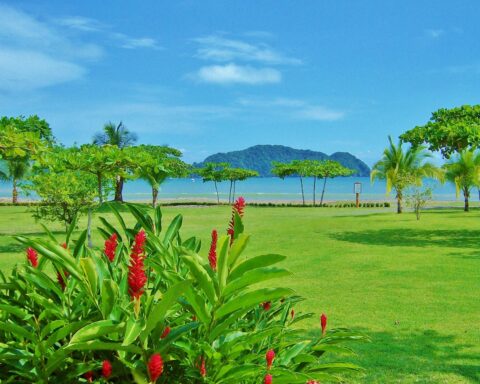
Located along the turquoise waters of the Ionian Sea, Albania offers a coastline that rivals the beauty of its southern neighbor, Greece, but at a fraction of the cost. The city of Saranda and the nearby village of Ksamil have seen a dramatic influx of international visitors over the last two years. This surge is driven by a combination of factors, including expanded flight routes to Tirana and a significant investment in hospitality infrastructure. New boutique hotels and high-end resorts are opening at a rapid pace, catering to a demographic that wants the Mediterranean aesthetic without the claustrophobic crowds of Santorini or Mykonos.
Economic factors are undeniably playing a role in this geographic pivot. With inflation impacting household budgets across Europe and North America, the value proposition of the Balkan coast is difficult to ignore. In Albania, travelers find that their currency stretches significantly further, covering everything from fine dining featuring fresh seafood to private boat charters and beachfront accommodation. While prices in traditional Western European hubs have skyrocketed, the Albanian market remains accessible, offering a high-standard experience that feels increasingly rare in the global travel market.
Beyond the financial incentives, there is a growing desire among modern travelers for authenticity and discovery. The Albanian Riviera provides a sense of rugged exploration that many feel has been lost in the highly commercialized zones of the Western Mediterranean. Visitors can spend their mornings exploring the UNESCO World Heritage site of Butrint, an ancient Greek and Roman city, and their afternoons at secluded pebble beaches that remain relatively untouched by massive commercial developments. This blend of cultural depth and natural beauty is proving to be a powerful draw for a generation of tourists who prioritize unique experiences over brand-name destinations.
Environmental considerations are also influencing where people choose to spend their summer holidays. As Southern Europe faces increasingly intense summer heat, the slightly more temperate northern stretches of the Ionian coast offer a mild reprieve. Furthermore, the Albanian government has begun implementing stricter regulations to ensure that the rapid growth of tourism does not destroy the very natural assets that attract visitors. There is a concerted effort to promote sustainable practices and protect the crystal-clear waters that have become the country’s primary calling card.
However, the transition from a hidden gem to a mainstream hotspot is not without its challenges. The local infrastructure in towns like Himare and Dhërmi is being tested by the sheer volume of summer visitors. Traffic congestion on coastal roads and the demand for consistent utility services are areas where the government is playing catch-up. For now, these growing pains are viewed by many as a small price to pay for the opportunity to witness a country in the midst of a historic tourism boom.
As we look toward the future of European travel, it is clear that the monopoly held by traditional Mediterranean giants is beginning to crack. Travelers are becoming more adventurous and more discerning about where they spend their time and money. The rise of the Albanian Riviera represents a broader trend of diversification in the travel industry, where the value of a destination is measured not just by its fame, but by the quality of the experience and the warmth of the welcome. For those planning their next summer getaway, the rugged cliffs and azure waters of Albania offer a glimpse into the next great chapter of European tourism.