Staff Report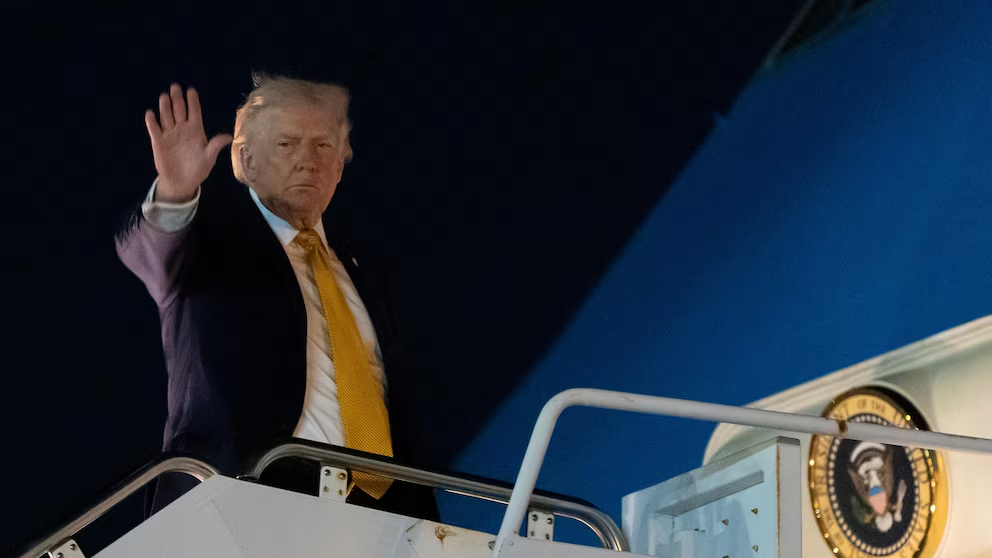
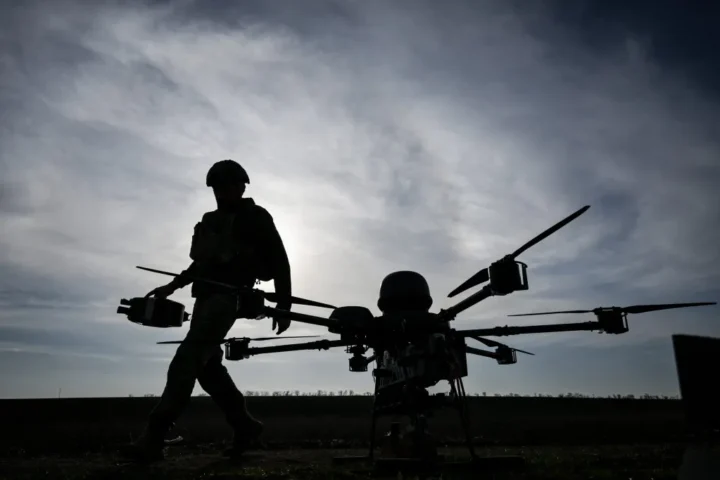
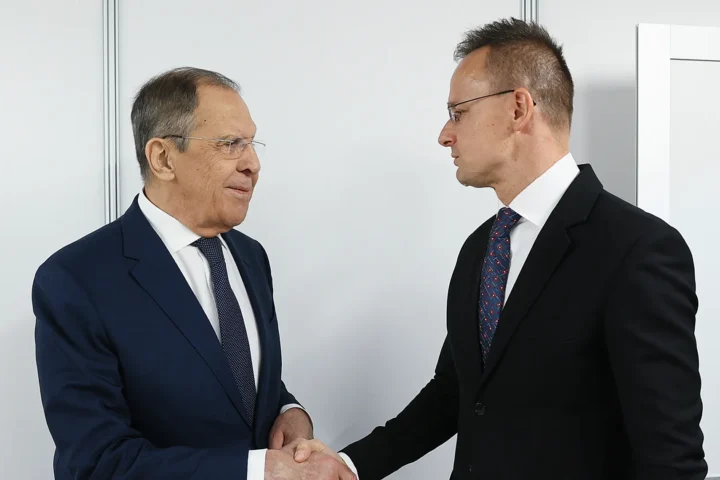
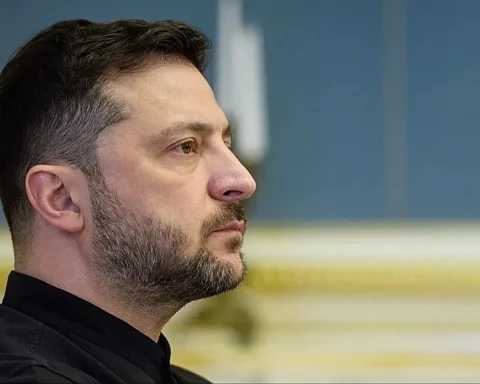
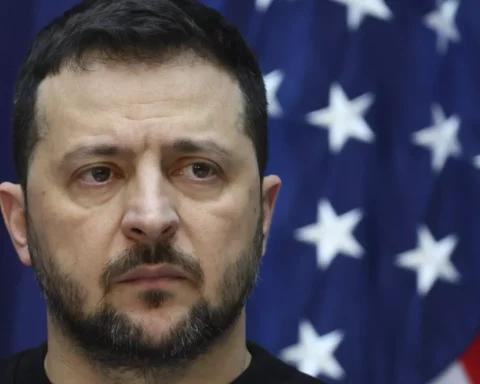
President Donald Trump has now stated that American officials have concluded Ukraine did not target Russian President Vladimir Putin’s residence, directly disputing Moscow’s prior claims of an alleged drone attack. This determination follows an initial period where Trump himself expressed “deep concern” over the initial reports. The alleged incident, which Russian Foreign Minister Sergey Lavrov claimed involved a wave of drones intercepted in the Novgorod region, unfolded shortly after Ukrainian President Volodymyr Zelenskyy had met with Trump in Florida.
Lavrov had used the drone allegations to criticize Ukraine, suggesting the timing was particularly egregious given escalating international efforts toward a diplomatic resolution to the conflict. Zelenskyy, however, had swiftly denied any involvement from Kyiv. Trump, speaking to reporters on Air Force One as he returned to Washington from his Florida estate, confirmed that while “something” might have occurred in the vicinity, a thorough US investigation found no evidence of Putin’s residence being the specific target. “I don’t believe that strike happened,” Trump asserted, adding, “We don’t believe that happened, now that we’ve been able to check.”
This shift in assessment marks a notable evolution from Trump’s initial reaction. Last Monday, he conveyed to reporters that Putin had raised the matter during a phone call, admitting he was “very angry” about the accusation at the time. By Wednesday, however, his public stance began to soften. Trump shared a *New York Post* editorial on his social media platform, an article that cast doubt on the Russian narrative. That editorial sharply criticized Putin, accusing him of choosing “lies, hatred, and death” at a moment Trump has repeatedly characterized as ripe for a peace deal, suggesting the world is “closer than ever before” to moving the two sides toward a resolution.
The evolving narrative around the alleged drone attack underscores the complexities of mediating the ongoing conflict, a task Trump has publicly committed to fulfilling within 24 hours of taking office. He has previously voiced frustration with both Zelenskyy and Putin in his efforts to broker an end to the fighting. Despite these challenges, both Trump and Zelenskyy indicated last week that their discussions at Mar-a-Lago yielded progress on a US 20-point peace plan for Ukraine.
Putin, for his part, has consistently shown little inclination to end the war unless all of Russia’s maximalist demands are met. These demands reportedly include the occupation of all Ukrainian territory within the key eastern Donbas region and the imposition of severe restrictions on Ukraine’s post-war military and defense capabilities. The latest US findings on the alleged drone attack add another layer to the intricate diplomatic dance surrounding the conflict, particularly as European officials have voiced suspicions that the Russian claim was primarily an attempt to derail peace initiatives. The American conclusion now directly challenges Moscow’s version of events, potentially influencing future discussions on the path forward.