 Staff Report
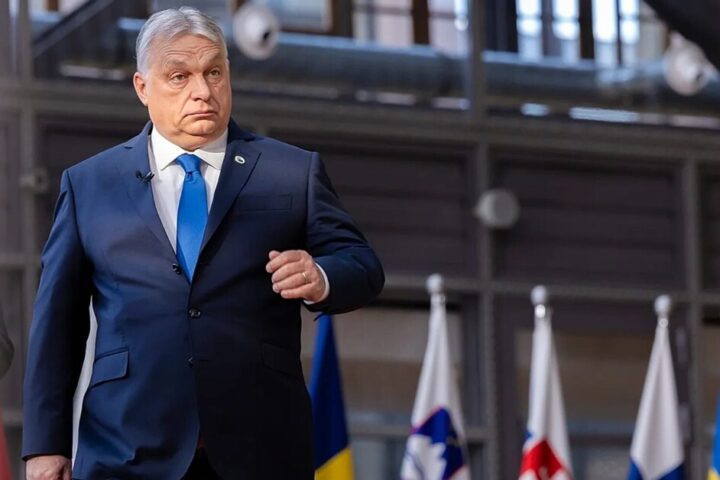
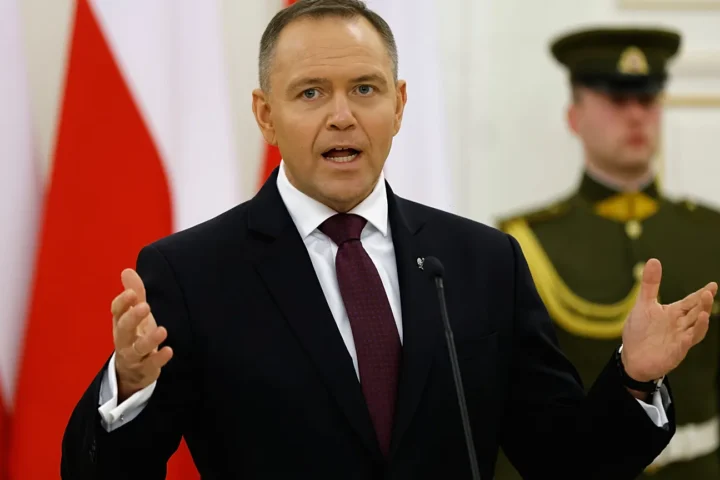
The diplomatic rift within the European Union has reached a new level of public scrutiny as Estonian Prime Minister Kaja Kallas voiced sharp concerns regarding the unpredictable political trajectory of Hungary. During a recent high-level gathering, Kallas remarked that the broader European community remains largely in the dark regarding the ultimate objectives of Hungarian Prime Minister Viktor Orban. This assessment comes at a time when the continent is struggling to maintain a unified front against external security threats and internal economic pressures.
Hungary has increasingly found itself isolated within the 27-member bloc due to its repeated efforts to stall or block critical aid packages and sanctions. Kallas, who has emerged as one of the most vocal defenders of European security architecture, expressed a sense of profound frustration that is shared by many of her counterparts in Brussels. She noted that while most member states operate within a predictable framework of shared democratic values and mutual defense interests, Orban’s government often appears to be playing by a different set of rules entirely.
The tension is not merely academic. It has tangible consequences for the legislative speed of the European Union. For months, Budapest has utilized its veto power as a lever to negotiate for the release of frozen EU funds, a tactic that critics describe as political blackmail. Kallas suggested that this behavior makes it nearly impossible for other leaders to gauge what it would actually take to bring Hungary back into the fold of consensus-based decision-making. The lack of clarity has led to a breakdown in trust that threatens the long-term stability of the union.
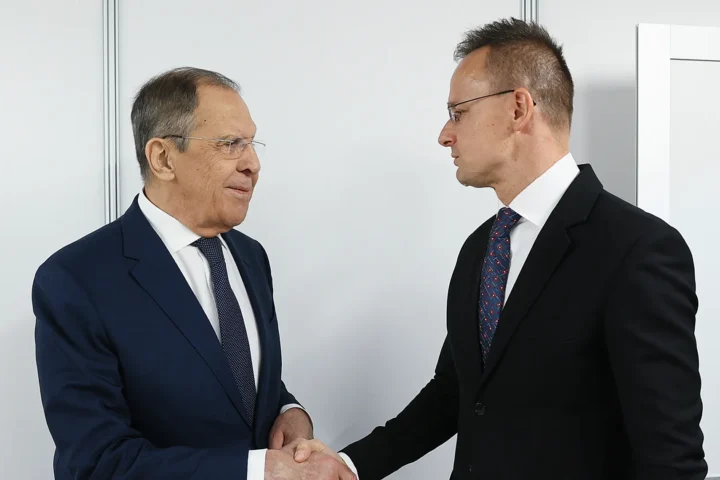
Furthermore, the Estonian leader highlighted the optics of Orban’s foreign policy, which often features high-profile meetings with figures who are openly hostile to European integration. These diplomatic maneuvers have created a perception that Hungary is acting as a disruptor from within, rather than a constructive partner. Kallas emphasized that in the current geopolitical climate, ambiguity is a luxury that Europe can ill afford. The need for a cohesive strategy is paramount, yet the persistent outliers in Budapest continue to prioritize nationalistic rhetoric over collective security.
Observers in Tallinn and Brussels are watching closely to see if this public call-out will result in a shift in Hungarian policy. Historically, Orban has leaned into his role as a political maverick, using criticism from Western and Northern European leaders to bolster his image as a defender of national sovereignty at home. However, as the financial and political costs of isolation mount, the Hungarian administration may eventually find that the price of being misunderstood is too high to pay. For now, the European Union remains a house divided, searching for a way to reconcile its democratic mandates with the stubborn defiance of one of its most enigmatic members.