Staff Report
The geopolitical landscape of Europe is undergoing a fundamental shift as northern and southern interests converge under the pressure of global instability. In a series of high-level discussions, Finnish Foreign Minister Elina Valtonen and the Commissioner for the Mediterranean have outlined a vision for a more integrated European security and economic framework. This dialogue represents a significant departure from traditional regionalism, suggesting that the security of the Baltic Sea is now inextricably linked to the stability of the Mediterranean Basin.
Finland has historically focused its diplomatic energy on its immediate neighbors and the broader Nordic-Baltic region. However, the recent accession to NATO and the changing nature of migration and energy security have forced Helsinki to look southward. Minister Valtonen emphasized that Europe cannot afford to view its geography through a fragmented lens. The challenges of illegal migration, maritime security, and the transition to renewable energy sources require a unified continental strategy that bridges the gap between the North and the South.
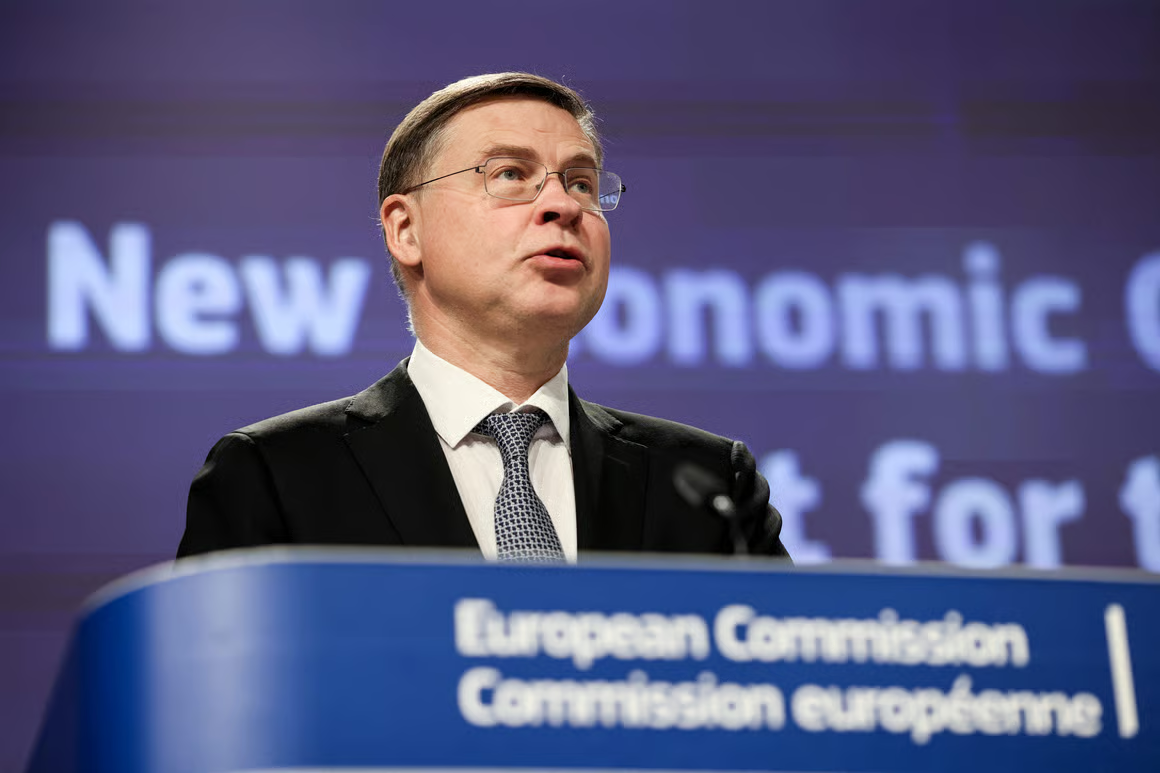
The Mediterranean region currently stands at a crossroads, facing the dual pressures of internal political upheaval and external influence from global powers. The Commissioner for the Mediterranean highlighted that the European Union is prepared to deepen its investment in the region, but this support comes with expectations of structural reforms and a commitment to democratic values. The focus is not merely on containment of crises but on fostering long-term economic resilience that can prevent future conflicts from spilling over into the European heartland.
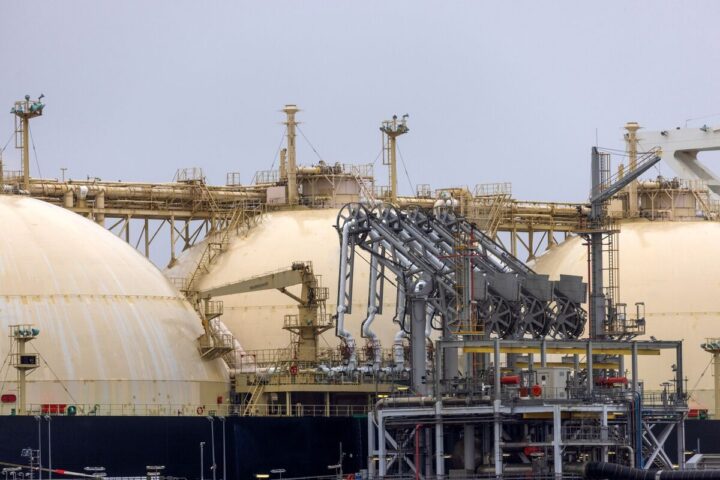
Energy security remains a primary driver of this renewed diplomatic push. As Europe seeks to decouple itself from Russian gas permanently, the Mediterranean offers a vital corridor for green hydrogen and natural gas from North Africa and the Eastern Mediterranean. Finland, with its advanced technological sector, sees an opportunity to export its expertise in digital infrastructure and clean energy to southern partners. This creates a symbiotic relationship where northern technology meets southern resources, potentially creating a new economic engine for the entire European Union.
Furthermore, the discussions touched upon the sensitive issue of border management. Finland’s experience with hybrid threats on its own eastern border has provided the country with a unique perspective on the challenges faced by Mediterranean nations like Italy and Greece. By sharing best practices in border surveillance and intelligence gathering, the EU aims to create a more robust defense against those who would weaponize migration for political leverage. Valtonen noted that a secure Mediterranean is a prerequisite for a secure Europe, a sentiment echoed by southern leaders who have long called for more solidarity from their northern counterparts.
Critics of this expanded focus argue that the European Union risks overextending its diplomatic reach at a time when internal divisions are high. However, the prevailing sentiment from these recent talks suggests that isolationism is no longer a viable option. The interconnectedness of modern threats ensures that a crisis in the Red Sea or the Levant will eventually be felt in the boardrooms of Helsinki and the ports of Turku. The goal now is to move beyond reactive crisis management and toward a proactive policy that anticipates shifts in the global order.
As the European Commission prepares its next strategic agenda, the insights provided by Valtonen and the Commissioner for the Mediterranean will likely serve as a blueprint for future cooperation. The emphasis will remain on creating tangible benefits for citizens on both sides of the sea, from job creation in the Maghreb to enhanced energy stability in the North. This evolving partnership signifies a maturing European foreign policy that is finally acknowledging the strategic unity of the continent.