Staff Report
Global energy markets entered a period of intense volatility this morning as crude oil prices surged past the $110 per barrel threshold. The sudden spike follows a series of targeted military strikes on critical energy infrastructure, marking a significant escalation in regional tensions. Traders and analysts are now recalibrating their expectations for global supply chains as the risk of a broader conflict threatens to disrupt one of the world’s most vital maritime corridors.
For months, the energy sector has operated under a cloud of geopolitical uncertainty, yet the direct targeting of processing facilities has caught many market participants off guard. The immediate reaction in the futures market saw Brent crude and West Texas Intermediate both climbing rapidly in early trading sessions. This movement reflects a deep-seated fear that the physical flow of oil could be compromised for an extended period, rather than the speculative fluctuations seen in previous weeks.
Energy analysts at major financial institutions are warning that the psychological impact of crude hitting $110 cannot be overstated. When prices reach into triple digits, it often triggers a cascade of inflationary pressures across the global economy. Transport costs for consumer goods rise almost immediately, and manufacturing sectors that rely on petroleum-based products face tightening margins. Central banks, which have been struggling to bring inflation back to target levels, may find their efforts hampered by this sudden exogenous shock.
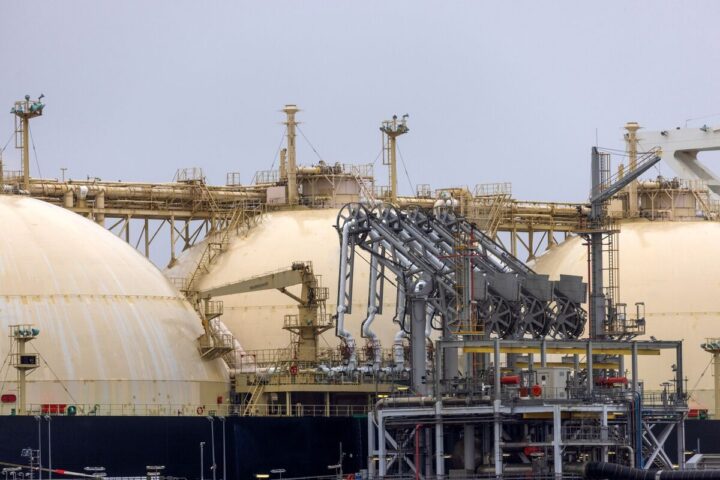
On the ground, the extent of the damage to the energy facilities remains under assessment, but early satellite imagery suggests that several key pipelines and storage tanks were impacted. Industry experts suggest that even if the physical damage is repaired quickly, the political risk premium will remain embedded in oil prices for the foreseeable future. Insurance premiums for tankers operating in nearby waters have already begun to climb, further complicating the logistics of international oil distribution.
Governments in major importing nations are reportedly discussing the potential release of strategic petroleum reserves to stabilize the market. While such a move can provide short-term relief, it is often viewed as a temporary measure that does not address the underlying security concerns. International energy agencies are calling for heightened diplomacy to prevent further disruptions that could lead to a global energy crisis reminiscent of previous decades.
As the situation develops, the focus remains on the response of major oil-producing nations. There is significant pressure on OPEC+ members to clarify their production targets in light of the reduced output from the affected region. However, the internal politics of the oil cartel may make a swift agreement difficult to reach, as different member states balance their own economic needs against the necessity of market stability.
Investors are currently pivoting toward defensive assets as the uncertainty persists. Gold and the US dollar have seen increased demand as safe-haven plays, while energy stocks are experiencing a surge in interest. The coming days will be critical in determining whether the $110 price point is a temporary peak or the beginning of a new, higher baseline for the global economy. For now, the world remains on edge as the intersection of energy security and geopolitical rivalry dictates the pace of the global financial markets.