Staff Report
A significant shift is occurring in the global energy landscape as traditional oil powerhouses from the Gulf region accelerate their investments into African green energy markets. This strategic pivot marks a departure from decades of fossil fuel dominance, as sovereign wealth funds and private equity firms from nations like the United Arab Emirates and Saudi Arabia seek to diversify their portfolios. The move is driven by a growing recognition that the global economy is inexorably moving toward a low-carbon future, leaving those heavily reliant on petroleum exports vulnerable to market volatility.
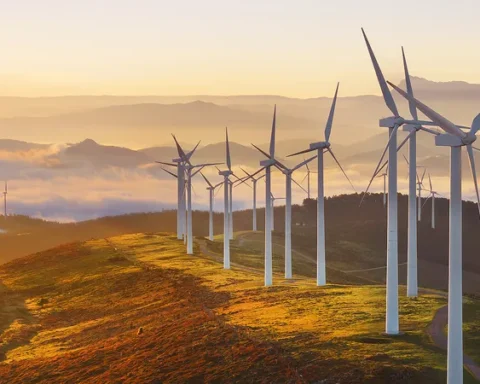
Africa has become the primary theater for this transition due to its unparalleled potential for solar, wind, and hydroelectric power. Despite possessing vast natural resources, much of the continent remains underserved by traditional power grids. This infrastructure gap presents a unique opportunity for Gulf investors to deploy capital into large-scale renewable projects that can provide both high financial returns and significant geopolitical leverage. By financing the next generation of African energy infrastructure, Gulf states are positioning themselves as central players in the global energy transition rather than just providers of crude oil.
Institutional investors from the Middle East are bringing more than just capital to the table. They are leveraging decades of experience in managing complex, large-scale energy engineering projects. For instance, Masdar, the UAE-based renewable energy firm, has already committed billions of dollars to solar and wind farms across various African nations. These projects are designed to provide stable, long-term yields while helping African governments meet their own climate goals and industrialization needs. The synergy between Gulf wealth and African resource potential is creating a new corridor of economic cooperation that bypasses traditional Western development finance.
However, this transition is not without its challenges. Investing in African emerging markets requires navigating complex regulatory environments and various degrees of political risk. To mitigate these factors, Gulf investors are increasingly opting for public-private partnerships and involving multilateral development banks in their deals. This collaborative approach helps to derisk projects while ensuring that the infrastructure built is sustainable and integrated into local economies. The focus is no longer solely on extraction, but on building the capacity for green industrialization that can sustain growth for decades.
Furthermore, the pivot toward renewables reflects a broader change in the mindset of the global financial community. As environmental, social, and governance (ESG) criteria become standard in international finance, even the world’s most prominent oil producers must demonstrate a commitment to sustainability to maintain access to global capital markets. By leading the charge in African renewables, Gulf nations are rebranding themselves as holistic energy leaders. This transformation is essential for their long-term economic survival in a world that is increasingly hostile to carbon-intensive industries.
The implications for Africa are profound. The influx of Gulf capital could accelerate the continent’s transition to clean energy, providing the reliable power necessary to drive manufacturing and digital economies. If successful, these investments will create a blueprint for how resource-rich nations can cooperate to solve the dual challenges of energy poverty and climate change. As the sun sets on the era of undisputed oil supremacy, the partnership between Gulf investors and African renewable developers is likely to define the energy map of the twenty-first century.