Staff Report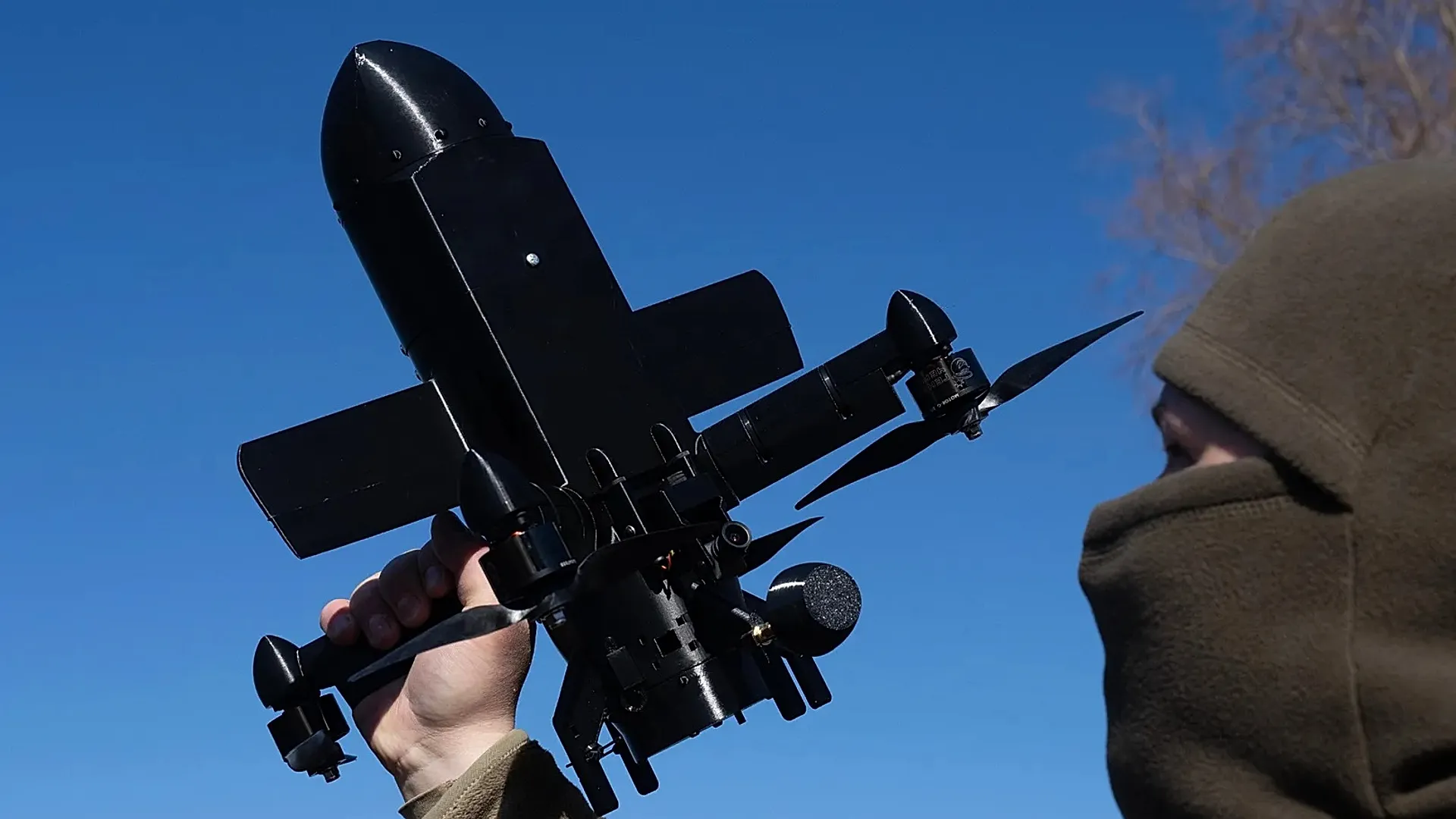
The declaration from Ebrahim Azizi, head of Iran’s parliamentary committee on national security and foreign policy, that Ukraine has “effectively become involved in the war” by providing drone support to Israel, marks a significant escalation in rhetoric. Azizi’s statement, delivered via a post on X, explicitly stated that this involvement renders the entire country of Ukraine a target for Iran. This assertion comes amidst a backdrop of ongoing drone warfare and complex international alliances that have reshaped global security dynamics.
Ukrainian President Volodymyr Zelenskyy had previously confirmed that Kyiv has received requests from eleven countries seeking assistance in countering Shahed-type drones. These requests are particularly pertinent given Iran’s continued use of such drones in various conflicts and its alleged attacks against Gulf states. Zelenskyy, while expressing Ukraine’s willingness to help, made it clear that assistance would be extended only to those nations actively supporting Ukraine’s own defense against Russian aggression. He did not, however, specify which countries might be excluded from this aid, noting only that some requests have already resulted in “concrete decisions and specific support.”
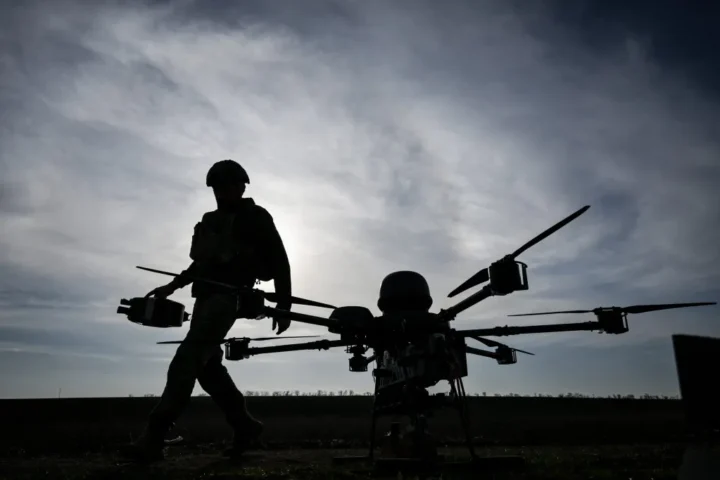
One tangible example of Ukraine’s assistance in drone defense was highlighted by Zelenskyy himself: the deployment of interceptor drones and a team of specialists to safeguard US military bases situated in Jordan. This move underscores a practical element of Ukraine’s evolving role beyond its immediate borders, leveraging its hard-won expertise in drone warfare. The conflict with Russia, now in its fifth year, has forced Ukraine to rapidly innovate and develop sophisticated countermeasures against unmanned aerial vehicles.
Kyiv’s air defense capabilities against drones have seen substantial development since 2022. The nation has built a multi-layered system that incorporates mobile fire groups, often utilizing pickup trucks equipped with heavy machine guns, alongside various electronic warfare technologies and domestically produced interceptors. This comprehensive approach has yielded considerable success, with Ukraine reporting an overall drone interception rate of approximately 80%. Specifically, Commander-in-Chief Oleksandr Syrskyi noted that over 70% of all Shahed-type drones targeting the capital and the Kyiv region during February were successfully shot down by these interceptors.
The context for Iran’s stern warning is deeply rooted in its close alliance with Russia, which solidified at the outset of Moscow’s full-scale invasion of Ukraine in early 2022. Tehran initially supplied Russia with Shahed-type drones, which have been extensively used in attacks across Ukraine. This partnership further deepened when Iran reportedly shared the technology, enabling Russia to commence domestic production of these unmanned aerial systems. This transfer of technology and continued cooperation highlight the deepening military ties between Tehran and Moscow, creating a complex web of interconnected conflicts where a perceived aid to one adversary is seen as a direct affront by another. The recent Iranian statement could be interpreted as a direct consequence of these evolving alliances and the increasing sophistication of drone warfare on the global stage.