Staff Report
A significant escalation in the ongoing shadow war between Israel and Iran has reached a fever pitch following a series of precision strikes against high-value military targets deep inside Iranian territory. Intelligence reports suggest that these operations were not merely the result of superior satellite imagery or electronic surveillance, but were bolstered by an unprecedented level of real-time ground intelligence provided by Iranian nationals opposed to the current clerical leadership in Tehran.
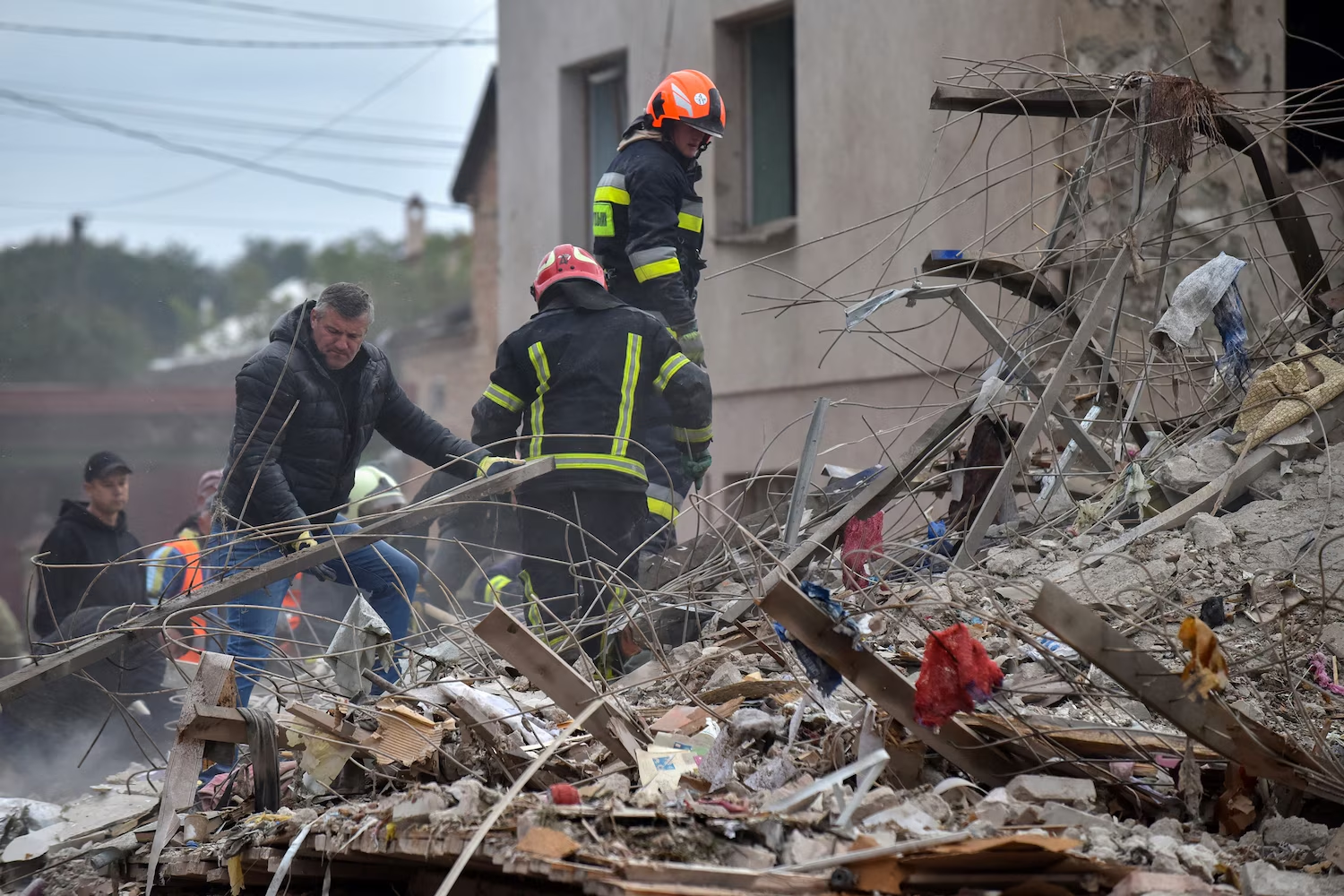
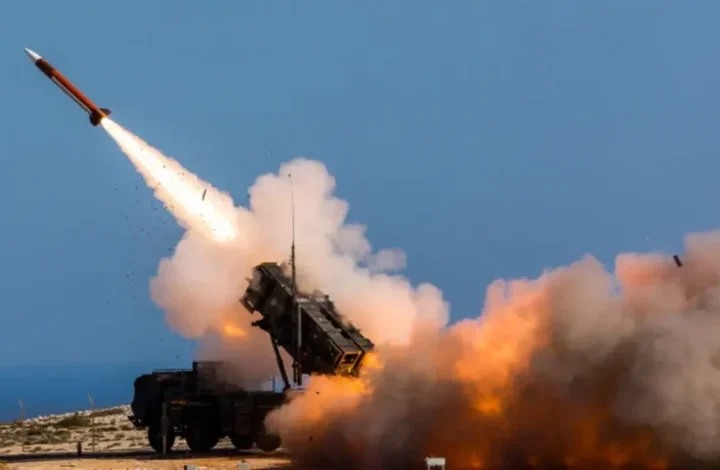
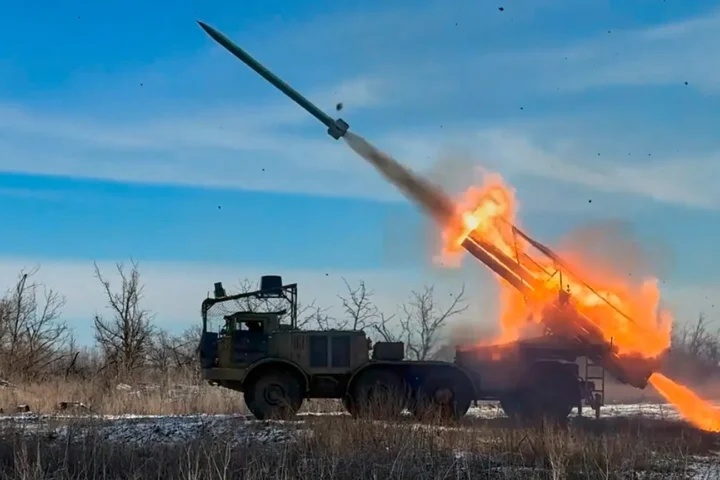
The targets of the late-night operation included advanced missile production facilities and drone warehouses managed by the Islamic Revolutionary Guard Corps. According to defense analysts, the surgical nature of the destruction indicates that the Israeli Air Force possessed granular details regarding the interior layout of the facilities and the specific timing of personnel rotations. This level of detail is rarely achievable through remote sensing alone, pointing toward a deepening network of internal informants within the Islamic Republic.
While the Israeli government has maintained its standard policy of ambiguity regarding specific tactical details, officials in Jerusalem have hinted that the regional landscape is shifting. The cooperation between foreign intelligence agencies and local dissidents represents a nightmare scenario for Tehran security apparatus. For years, the Iranian government has worked to eliminate internal dissent through strict surveillance and crackdowns, yet the latest breach suggests that the opposition has found ways to channel their grievances into actionable military intelligence for the regime’s primary regional adversary.
In Tehran, the response has been one of predictable fury mixed with internal paranoia. State media outlets have reported on the damage while simultaneously launching a nationwide search for those suspected of collaborating with foreign entities. Several high-ranking officials within the military supply chain have reportedly been detained for questioning as the regime attempts to plug the leaks that led to such a humiliating security failure. The psychological impact of these strikes may outweigh the physical damage, as the leadership is forced to question the loyalty of its own administrative and technical staff.
The geopolitical ramifications of this development are profound. For decades, the conflict was defined by proxy battles in Lebanon, Syria, and Gaza. However, the direct targeting of the Iranian heartland, assisted by segments of the Iranian population, suggests a new phase of the struggle. This alignment of interests between Israeli strategic goals and the desires of the Iranian protest movement creates a volatile dynamic that the international community is watching with growing concern.
Western diplomats have expressed worry that this increased pressure could lead to a broader regional conflagration. If the Iranian leadership feels cornered by both external strikes and internal betrayal, they may choose to lash out through their various regional proxies to divert attention from their domestic vulnerabilities. Conversely, some experts argue that the successful degradation of Iranian military assets reduces the regime’s capability to project power abroad, potentially stabilizing the region in the long run by weakening the central source of Revolutionary Guard funding and logistics.
As the dust settles over the charred remains of the targeted facilities, the focus remains on the invisible front lines. The ability of Israel to leverage local discontent within Iran serves as a stark reminder that the stability of the Tehran government is increasingly fragile. Whether this collaboration remains a series of isolated tactical events or evolves into a broader strategic partnership could determine the future of Middle Eastern security for the next decade. For now, the message sent to the Iranian leadership is clear: their most secure installations are no longer safe from those who live within their own borders.