Staff Report
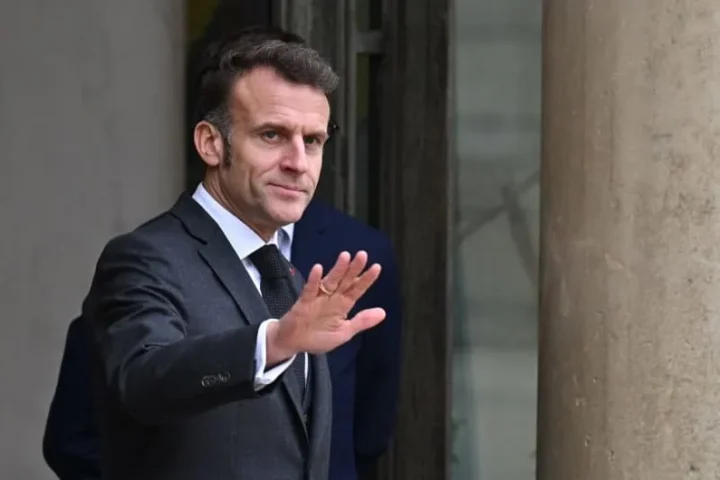
President Emmanuel Macron’s persistent calls for a more protectionist “Buy European” strategy are increasingly creating friction with Germany, long a staunch advocate for open markets within the European Union and globally. This ideological divide, simmering for years, has recently intensified as Europe grapples with economic uncertainty, supply chain vulnerabilities, and fierce competition from global powers. Paris views a unified procurement approach as essential for strengthening European industries, particularly in critical sectors like defense, technology, and green energy, arguing it fosters resilience and innovation.
Berlin, however, expresses significant reservations, viewing such proposals as potentially undermining the single market and inviting retaliatory measures from international trading partners. German officials and industry leaders frequently emphasize the benefits of free trade, pointing to their own export-oriented economy which thrives on global access. They argue that protectionist measures could lead to higher costs for consumers, reduce competition, and ultimately weaken European competitiveness rather than bolster it. The German perspective often highlights the importance of maintaining strong relationships with global partners, including the United States and Asian economies, suggesting that inward-looking policies could isolate the EU.
The discourse extends beyond mere economic philosophy to practical policy implications. French proposals often include preferences for European companies in public procurement tenders, as well as subsidies and other forms of state aid to nurture domestic champions. These ideas resonate with a broader political sentiment in France that seeks to reassert European sovereignty and reduce dependence on non-EU suppliers. Macron has consistently championed this vision, framing it as a necessary step for Europe to stand as a powerful, independent geopolitical actor capable of safeguarding its own interests and values.
Yet, the German government, backed by powerful industrial lobbies, remains wary of any measures that could disrupt established supply chains or create artificial barriers to trade. Their concerns are rooted in the potential for such policies to spark trade wars, complicate international agreements, and ultimately harm German businesses that rely heavily on global markets for both inputs and sales. There’s also a pragmatic acknowledgment in Berlin that a purely “European” product is often a complex tapestry of global components, making strict “Buy European” rules difficult to implement without significant economic disruption.
This fundamental disagreement underscores a deeper divergence in economic strategy between the two largest economies in the Eurozone. While both Paris and Berlin agree on the need for a strong, competitive Europe, their approaches to achieving this goal differ considerably. France leans towards strategic intervention and industrial policy, while Germany prioritizes market mechanisms and open competition. Navigating this divide will require delicate diplomacy and a willingness to find common ground, perhaps through targeted measures in specific strategic sectors rather than a broad, sweeping protectionist shift. The outcome of these ongoing discussions will undoubtedly shape the future economic direction of the European Union, influencing its industrial landscape and its role on the global stage for years to come.