Staff Report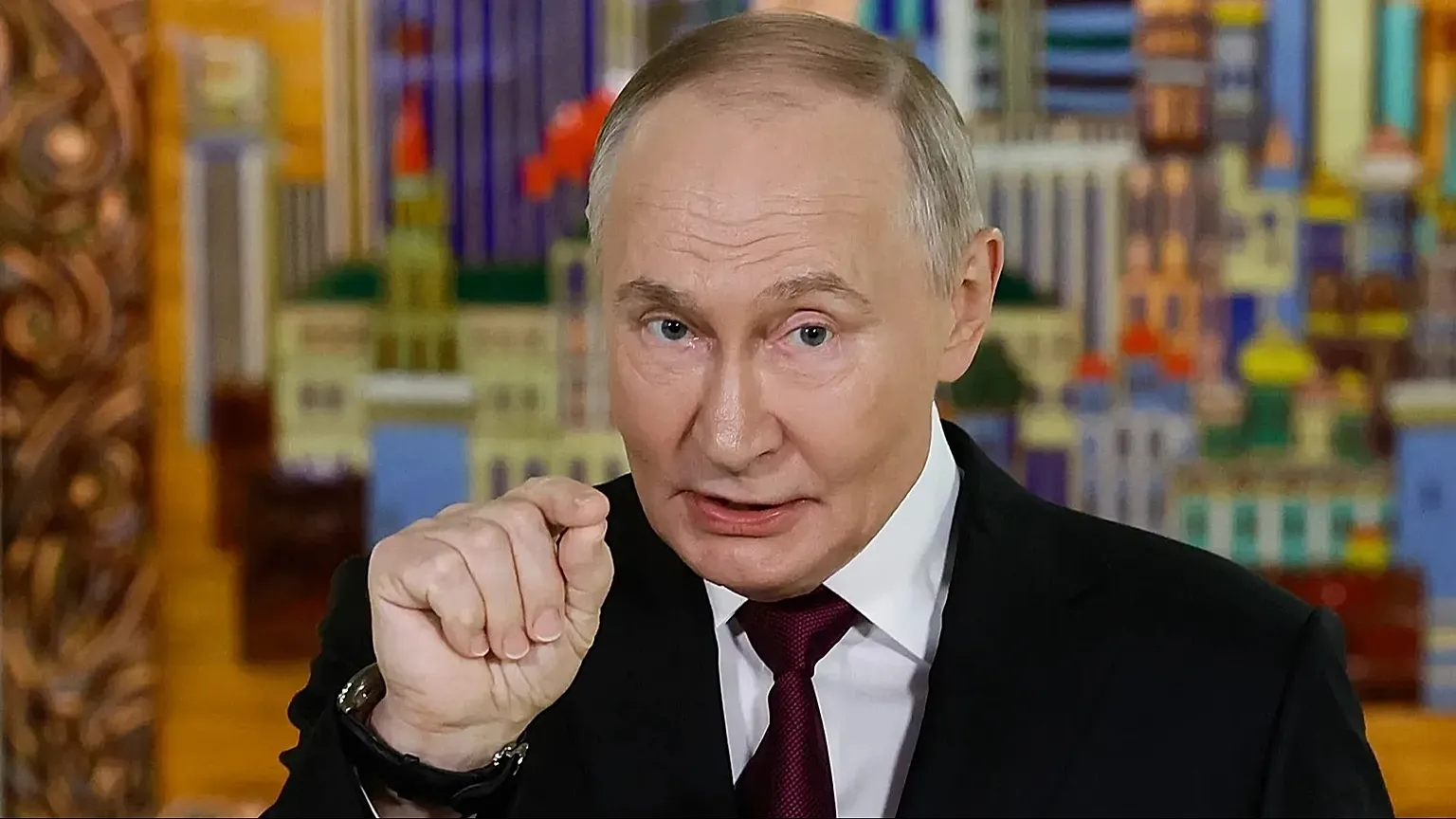
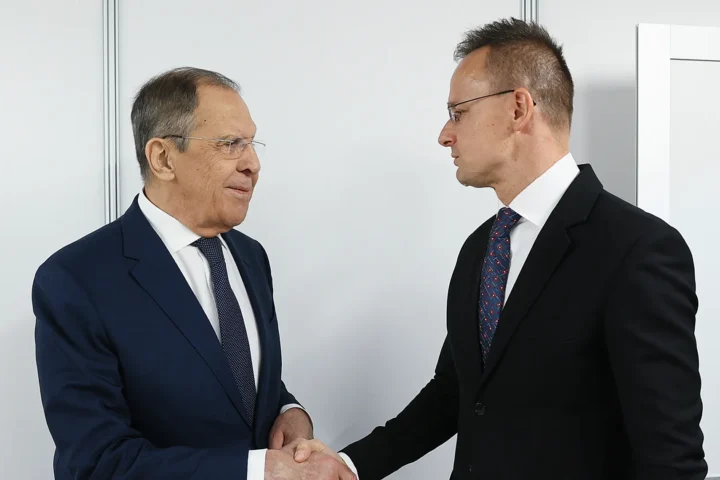
Russian President Vladimir Putin issued a stark warning during remarks in Moscow, stating that Russia is “ready” should Europe pursue a military confrontation. The declaration comes amid rapidly intensifying political rhetoric between Moscow and several EU member states, as well as heightened military activity across Eastern Europe.
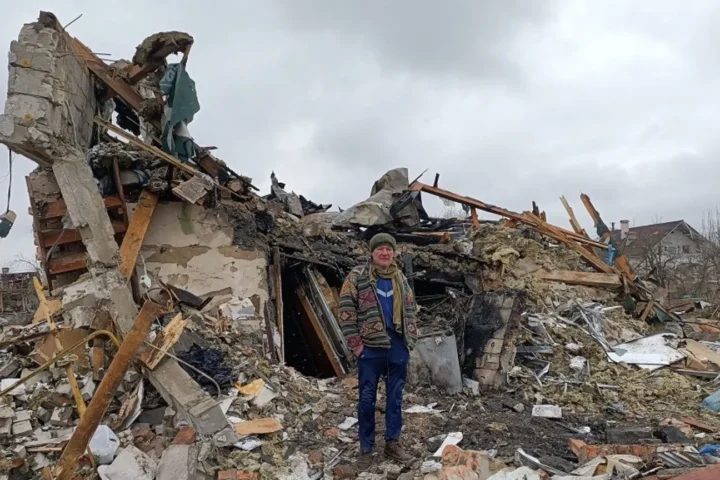
While European governments have not expressed any desire for direct military conflict with Russia, Putin’s statement underscores a hardening tone in Russia’s strategic messaging. It also reflects an increasingly volatile geopolitical environment shaped by the ongoing war in Ukraine, expanded NATO defense coordination, and evolving European discussions on long-term security commitments.
A Calculated Show of Resolve
Putin’s comments represent a continuation of Moscow’s strategy to project strength and deterrence toward Western governments. By stating that Russia is “ready now,” the Kremlin aims to:
- Reinforce Russia’s image of military preparedness
- Deter further Western military support for Ukraine
- Shape public perception inside Russia regarding the state’s defensive posture
- Signal that Moscow views the current trajectory of European policies as aggressive
Russian officials have regularly framed the EU’s political alignment with Washington and NATO’s expansion as threats to national security. The latest remarks build on this narrative, describing European defense discussions as provocations that require firm Russian counter-messaging.
Europe’s Position: Rhetoric vs. Reality
Despite Moscow’s framing, European leaders have not indicated any intention to initiate military confrontation with Russia. The continent instead remains focused on:
- Strengthening defense capabilities after decades of underinvestment
- Coordinating military aid to Ukraine
- Enhancing cyber, energy, and border security
- Preparing for long-term geopolitical uncertainty
Several European governments have also stressed the importance of preventing escalation and maintaining diplomatic channels—even as relations with Moscow remain at their lowest point in decades.
What has changed, however, is Europe’s political willingness to openly debate security scenarios that once would have been considered taboo. The war in Ukraine has pushed EU states to reconsider defense industrial capacity, joint procurement, and strategic readiness—developments that Moscow closely monitors.
Military Signaling on Both Sides
Russia’s declaration of readiness serves not only as a political statement but also as part of broader military signaling. In recent months:
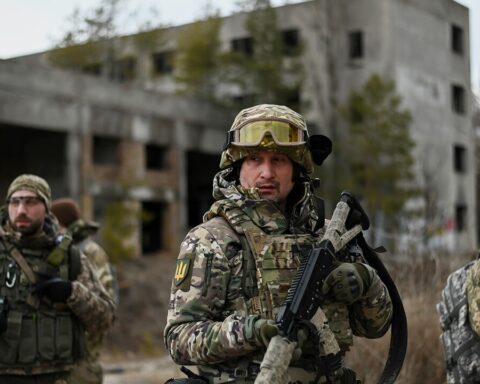
- Russia has expanded military exercises near its western borders
- European states have increased joint NATO drills across Poland, the Baltics, and the Nordic region
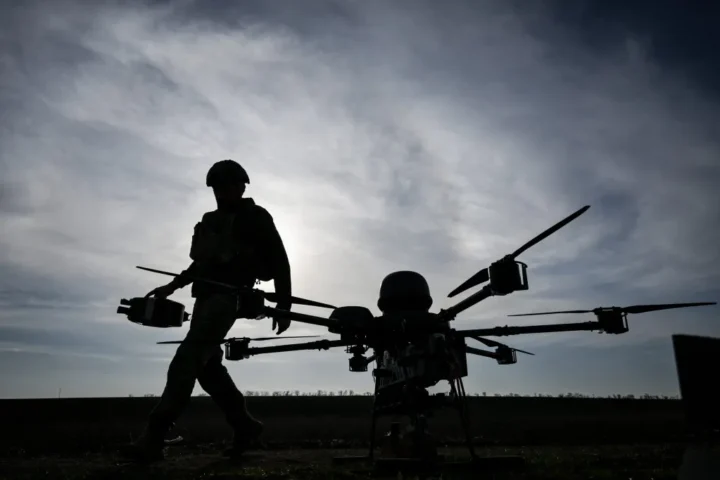
- Several EU countries have announced multi-year upgrades to air defense, munitions production, and troop deployments
While none of these developments explicitly point to preparations for offensive conflict, they collectively contribute to a climate of elevated tension.
Implications for Regional Stability
Putin’s latest remarks add another layer of uncertainty to an already precarious regional landscape. Key geopolitical implications include:
1. Heightened Information and Psychological Warfare
Both Russia and European states are intensifying public messaging campaigns designed to strengthen domestic support and deter adversaries.
2. Pressure on European Defense Policy
Comments from Moscow may accelerate European initiatives on defense spending and strategic cooperation, potentially leading to deeper integration within EU security frameworks.
3. Reduced Space for Diplomacy
The escalation in rhetoric makes diplomatic engagement more difficult, limiting opportunities for constructive dialogue on security, energy, or humanitarian issues.
4. Greater Dependence on U.S. Security Guarantees
As tensions rise, many European states may deepen reliance on Washington, further entrenching the geopolitical divide.
Looking Ahead
While Moscow’s statement that Russia is “ready now” carries significant symbolic and psychological weight, it does not necessarily signal imminent escalation. Instead, it reflects the widening strategic rift between Russia and Europe, where political distrust, competing narratives, and military signaling are increasingly shaping the security environment.
The coming months will be critical as Europe reassesses its long-term defense posture and Russia continues to calibrate its strategic communication. Whether cooler diplomatic channels can regain influence remains uncertain, but the geopolitical stakes for the region have seldom been higher since the end of the Cold War.