 Staff Report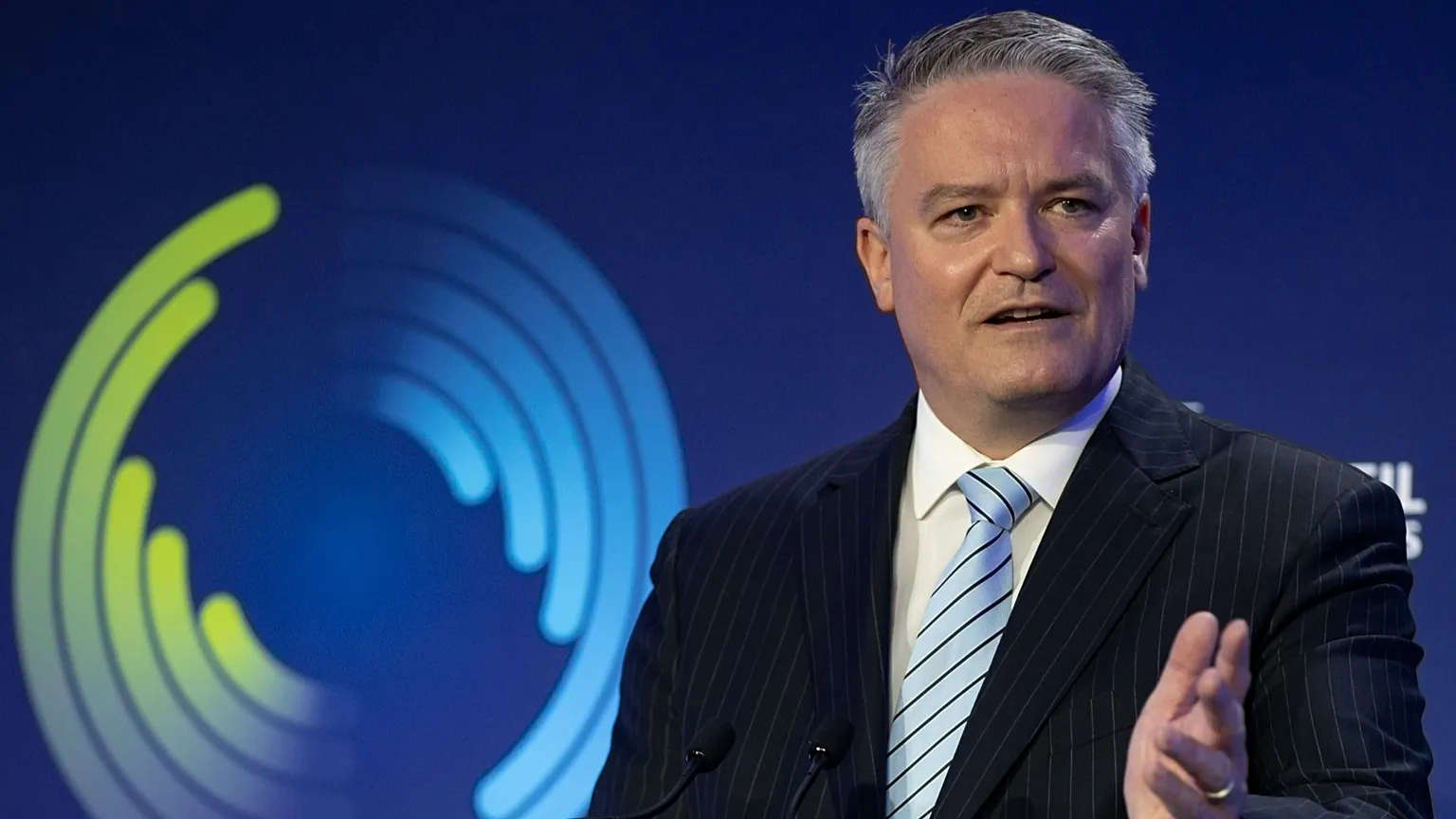
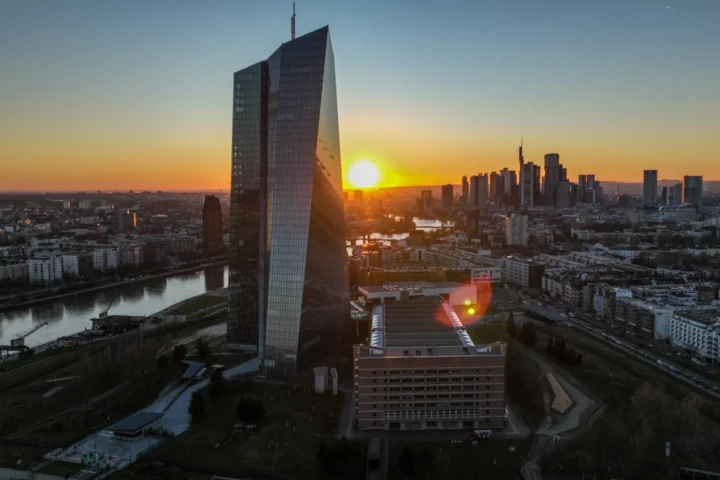
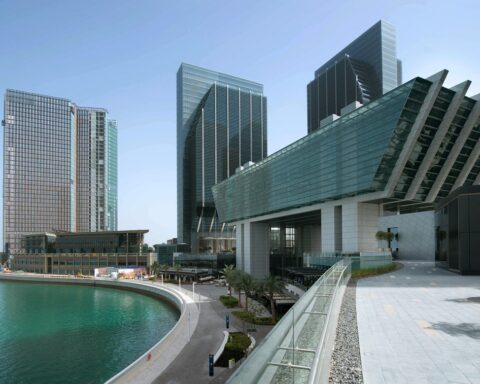
The European Union, often heralded as a singular success story, now faces a critical juncture, according to Mathias Cormann, the chief of the Organisation for Economic Co-operation and Development. Speaking from the World Governments Summit in Dubai, Cormann underscored the structural challenges confronting the continent in an evolving global landscape. His message was clear: European leaders would be wise to pay close attention to the recommendations put forth by former European Central Bank president, Mario Draghi.
Draghi, who published a comprehensive report in 2024 advocating for radical shifts within the EU’s operational framework, has consistently argued for the bloc to function more akin to a “true federation” rather than a collection of disparate nations. This perspective, reiterated by Draghi just recently, suggests a fundamental re-imagining of how the union governs itself. Cormann characterized Draghi as an “exceptional leader,” emphasizing that his insights are particularly pertinent as the EU navigates mounting pressures, including global tariffs and the weaponization of trade surpluses. The forthcoming informal retreat for EU leaders in Belgium, where Draghi is expected to join at the invitation of European Council President António Costa, presents a significant opportunity for these discussions to advance.
The former ECB head has not shied away from bold proposals. Among his suggestions is the concept of joint borrowing among member states to finance large-scale projects of collective interest, particularly in areas like security and defense. Furthermore, Draghi has advocated for a deeper integration of European capital markets, believing this would attract and scale up crucial investments across the continent. These ideas are not entirely new; Costa himself indicated last month that he anticipates EU leaders will provide “clear political guidance” to implement the recommendations outlined in Draghi’s report, a report that previously warned the EU faced “slow agony” if it failed to adapt to an age of aggressive geopolitics.
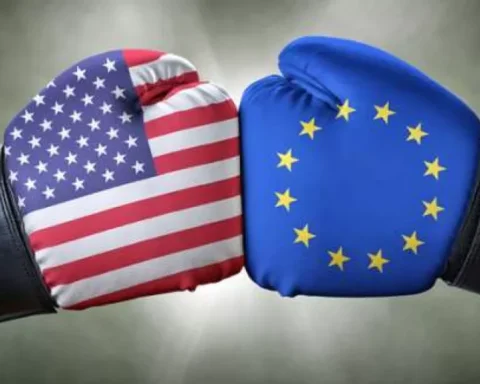
Cormann also addressed the broader economic environment, suggesting that despite the recent proliferation of worldwide tariffs, particularly from the US government, and concerns over trade imbalances, international cooperation remains a powerful force for good. He acknowledged, however, legitimate concerns regarding market distortions, specifically pointing to certain Chinese trade practices. The European Union has already signaled its expectation for Beijing to address a growing trade deficit, cautioning against a potential “second China shock” if the world’s second-largest economy continues to flood global markets with goods it cannot absorb domestically.
The OECD chief articulated these concerns plainly, stating that there are “areas where we are concerned about market-distorting practices and excessive levels of state subsidies.” He further clarified that a stronger alignment with market-based practices would be a more desirable outcome. This nuanced view highlights the delicate balance the EU must strike: maintaining a commitment to multilateral trade while also safeguarding its own economic interests against practices perceived as unfair. As European leaders prepare to convene, the strategic guidance offered by figures like Mario Draghi and the observations from international bodies such as the OECD will undoubtedly shape the bloc’s approach to these complex economic and geopolitical challenges.