Staff Report
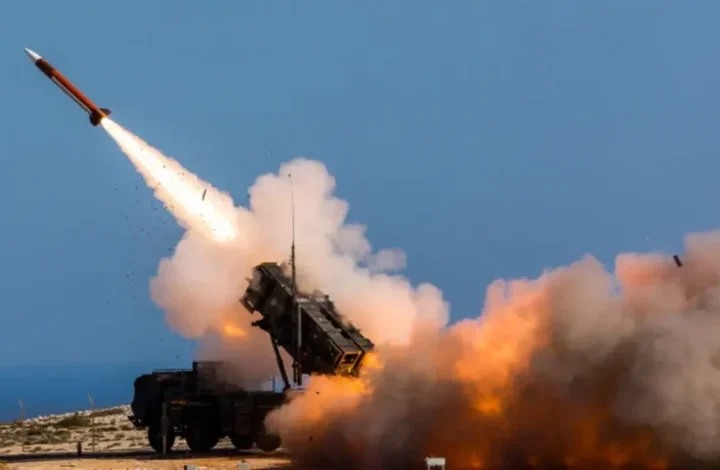
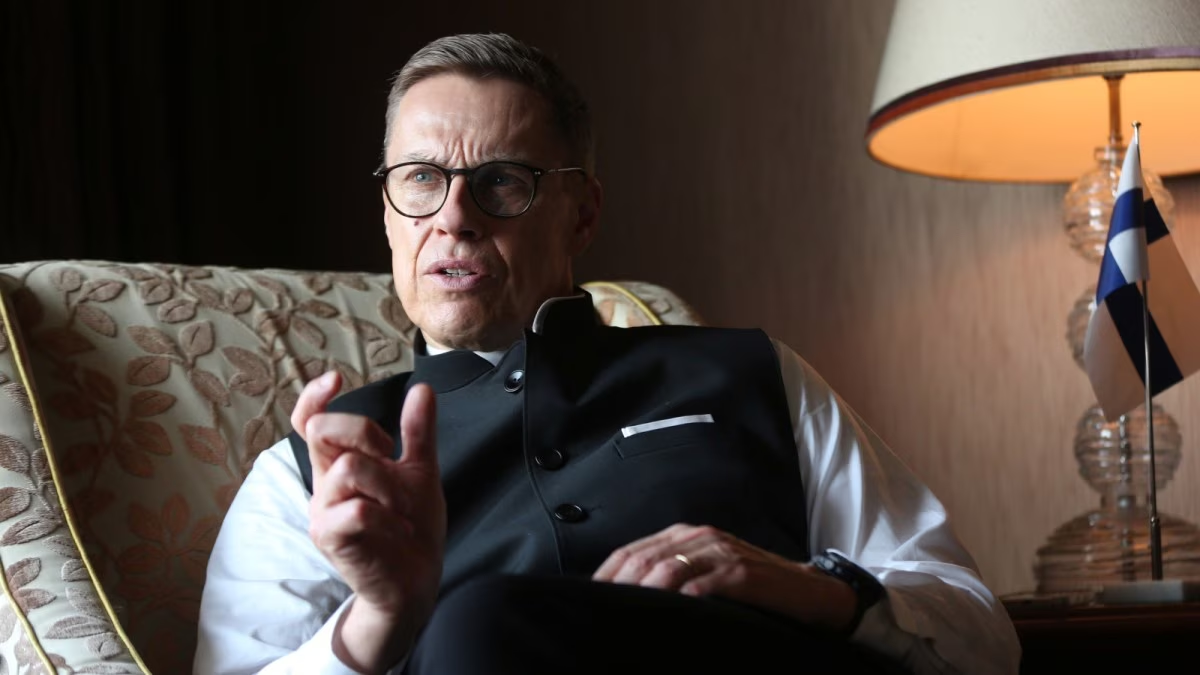
A high-stakes political confrontation has erupted in Warsaw as Prime Minister Donald Tusk moves to sidestep a presidential veto regarding a landmark 43.7 billion euro defense loan from the European Union. This power struggle between the pro-European government and President Andrzej Duda represents a critical juncture for Poland’s national security strategy and its standing within the North Atlantic Treaty Organization. The funds in question are intended to modernize the Polish military at an unprecedented pace, reflecting the urgent security concerns shared by frontline states bordering Ukraine.
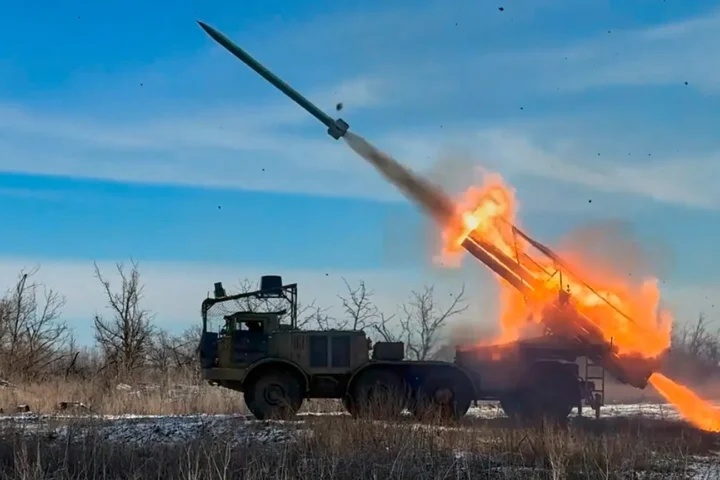
The conflict began when President Duda, an ally of the previous conservative administration, blocked legislation that would have facilitated the massive financial influx. Duda’s office argued that the terms of the loan and the accompanying legislative framework lacked sufficient oversight and could potentially infringe upon national sovereignty. However, the Tusk administration views this move as a politically motivated obstruction that threatens to stall vital upgrades to the nation’s radar systems, tank divisions, and missile defense shields.
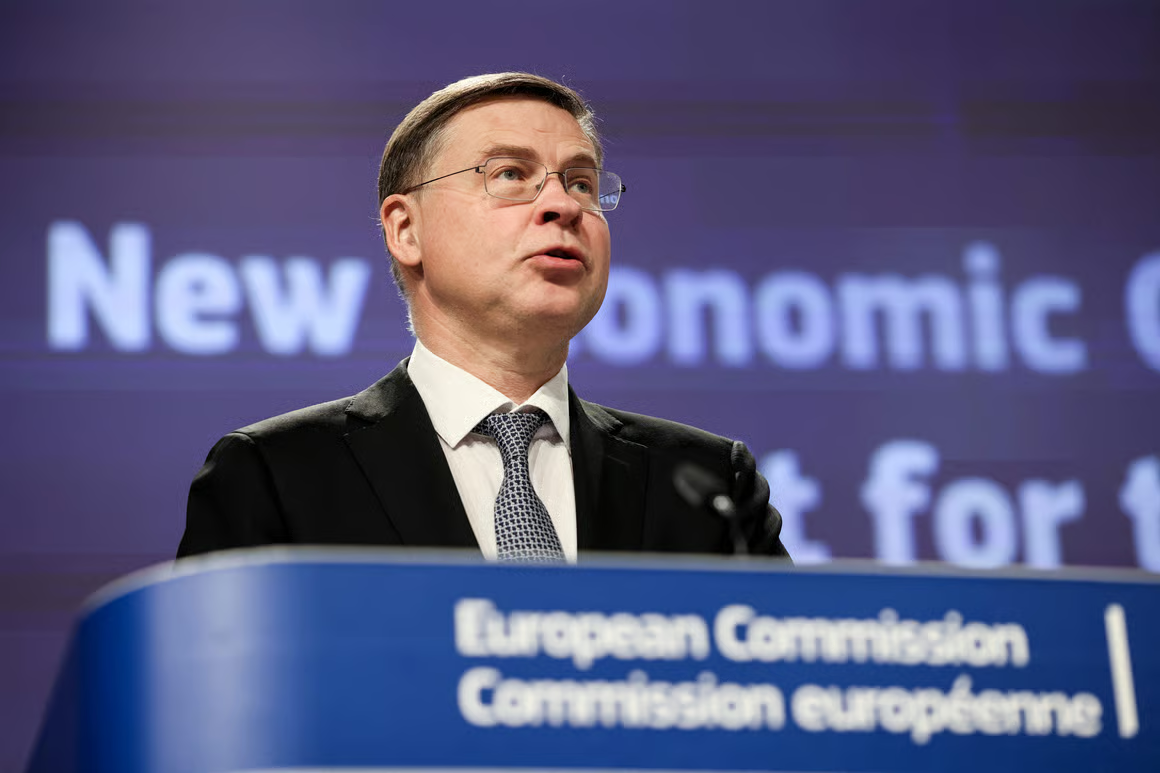
Rather than retreating, Donald Tusk has signaled that his government will utilize existing executive authorities and alternative legal pathways to ensure the capital is deployed. The Prime Minister’s resolve highlights a broader strategy to reintegrate Poland into the heart of European decision-making while rapidly expanding its military capabilities. Tusk has characterized the defense loan as a non-negotiable component of regional stability, suggesting that any delay in procurement serves only the interests of adversaries to the east.
Legal experts in Warsaw are now debating the constitutional limits of the executive branch’s power to manage international financial agreements without explicit presidential approval. The Prime Minister’s team maintains that the defense funds fall under a category of emergency security measures that do not require the standard legislative signature process. This interpretation is likely to be challenged in the courts, potentially leading to a prolonged constitutional crisis. Despite these legal hurdles, the government has already begun preliminary discussions with European lenders to structure the first tranche of the multi-billion euro package.
The international community is watching the development closely. For the European Union, the success of this loan program is a test of its ability to support its most vulnerable members through collective financial mechanisms. For NATO, the modernization of the Polish military is seen as an essential pillar of the alliance’s eastern flank. If Tusk succeeds in bypassing the veto, it could set a precedent for how future Polish governments navigate the frequent gridlock caused by the country’s divided executive power.
Domestically, the standoff is polarizing the electorate. Supporters of the Tusk government argue that the President is playing politics with national safety during a period of active regional conflict. Conversely, the opposition claims the Prime Minister is overstepping his mandate and disregarding the checks and balances inherent in the Polish constitution. This friction is expected to intensify as the country approaches its next electoral cycle, with defense spending remaining a primary point of contention.
As the Tusk administration prepares its next move, the stakes could not be higher. The 43.7 billion euro package represents one of the largest single investments in European defense history. Securing these funds would not only transform Poland into one of the most formidable military powers on the continent but would also cement Tusk’s reputation as a leader capable of navigating the most complex domestic and international obstacles. The coming weeks will determine whether the Prime Minister’s bold gamble will pay off or if the presidential veto will successfully halt the momentum of Poland’s ambitious rearmament program.