Staff Report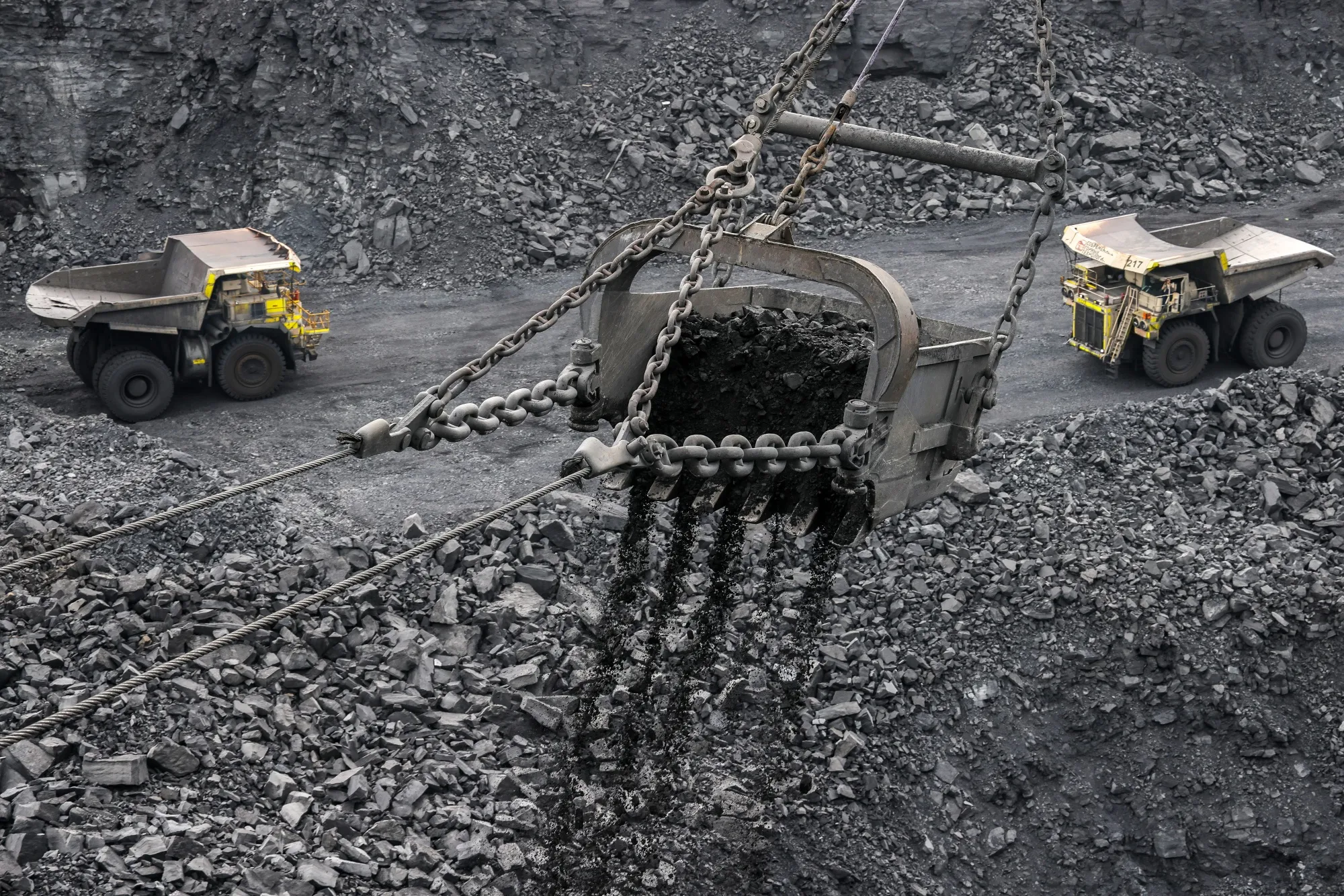
The ripples from a recent strike on a Russian port have extended across global energy markets, particularly impacting European coal futures, which saw significant gains. This escalation follows reports of a drone attack targeting infrastructure vital for Russian commodity exports, prompting immediate concerns about potential disruptions to supply chains already navigating a complex geopolitical landscape. While initial assessments of the damage vary, the markets reacted with a clear upward trend, reflecting underlying anxieties about energy security in Europe.
Traders and analysts alike are closely monitoring the situation, as the immediate aftermath of such incidents often dictates short-term price movements. The strike introduces an additional layer of uncertainty into a market that has been characterized by volatility since early 2022. European nations, many of whom have been actively diversifying their energy sources away from Russian fossil fuels, still rely on a mix of imports, and any impediment to global supply can quickly translate into price increases. The coal market, despite long-term decarbonization goals, remains a crucial component of the energy mix for several industrial sectors and power generation facilities across the continent, particularly as winter approaches.
The price action in European coal futures underscores a broader sensitivity to geopolitical events affecting major commodity-producing regions. Even a perceived threat to supply can trigger a speculative response, driving up prices as buyers seek to secure future deliveries. This incident serves as a stark reminder of the interconnectedness of energy markets and the rapid transmission of risk from conflict zones to global trading floors. The specific port targeted, while not explicitly named in all initial reports, is understood to be a key hub for various raw material exports, including coal, making its operational status a critical factor for market stability.
Market participants are now weighing the potential for prolonged disruptions against the existing inventory levels and alternative sourcing options available to European buyers. While some nations have built up strategic reserves and diversified their procurement channels, a sustained reduction in supply from any major exporter can still exert upward pressure on prices. The timing of the strike is also pertinent, occurring as industrial demand in some parts of Europe shows signs of stabilization, potentially increasing the immediate impact of supply constraints.
Looking ahead, the trajectory of European coal futures will likely hinge on the extent of the damage to the Russian port infrastructure and the speed with which operations can be fully restored. Beyond the immediate logistical challenges, there is also the psychological impact on the market, as such events fuel speculation about future vulnerabilities. Governments and energy companies across Europe are undoubtedly assessing their contingency plans, reiterating the ongoing challenge of balancing energy security with the transition to cleaner energy sources in an unpredictable global environment. The incident serves as a potent illustration of how localized conflicts can have far-reaching economic consequences, reverberating through commodity markets thousands of miles away.