Staff Report
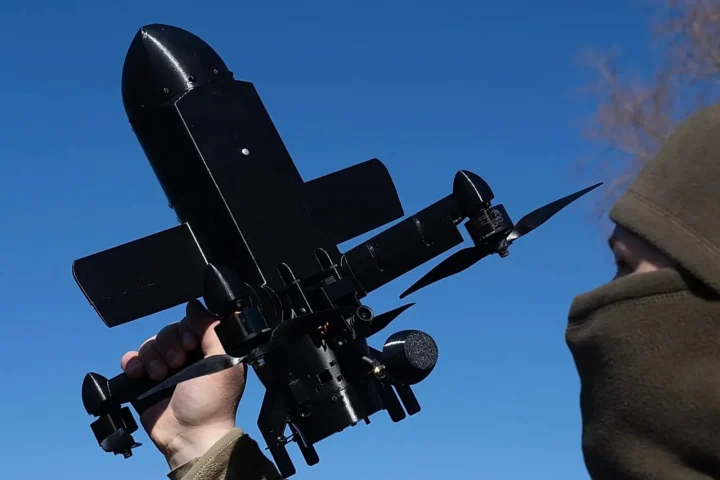
The Swedish military and local security forces moved swiftly this week to neutralize a suspicious drone observed operating in close proximity to the French aircraft carrier Charles de Gaulle. The incident occurred while the nuclear-powered flagship of the French Navy was docked at the port of Malmo in Sweden. This high-profile visit was intended to symbolize the deepening defense integration between Sweden and its new NATO allies, but the presence of the unidentified aircraft shifted the focus toward immediate security concerns.
Eyewitnesses and local reports indicate that the drone was spotted loitering in the restricted airspace surrounding the massive naval vessel. Swedish authorities, who have been on high alert since the country officially joined the NATO alliance, deployed electronic countermeasures to disable the device. While the Swedish Security Service and military officials have not yet officially named the operator of the craft, initial intelligence assessments and the sophisticated nature of the hardware have led investigators to focus on Russian origin as the primary theory.
This provocation comes at a time of heightened regional tension in the Baltic Sea. Since the onset of the conflict in Ukraine, the Nordic and Baltic states have seen a marked increase in unconventional surveillance activities. From mysterious underwater cable cuts to the frequent appearance of drones over critical infrastructure, the region has become a front line for hybrid warfare tactics. The Charles de Gaulle, representing the pinnacle of European naval power, serves as a significant target for intelligence gathering and psychological signaling.
The French Ministry of the Armed Forces confirmed that the aircraft carrier remained secure throughout the encounter and that the ship’s internal defense systems were not required to engage. However, the incident highlights the ongoing challenges of protecting high-value military assets in civilian ports. The proximity of the drone to such a vital piece of NATO infrastructure suggests a level of boldness from foreign intelligence services that has local commanders concerned about the potential for escalation.
Sweden has significantly bolstered its domestic security laws over the last year to combat the rising threat of foreign espionage. The port of Malmo, usually a hub for commercial shipping, was transformed into a high-security zone for the duration of the French carrier’s stay. Despite these precautions, the ability of a drone to penetrate the outer perimeter of the maritime exclusion zone demonstrates the persistent difficulty of monitoring small, low-altitude aerial vehicles in urban environments.
NATO officials have frequently warned that Russia is testing the resolve and the technological capabilities of the alliance through these types of incursions. By deploying drones near flagship vessels, Moscow can gather data on electronic signatures, response times, and coordination protocols between different national forces. This latest event in Malmo will likely lead to a review of maritime security procedures for future allied port visits across the Baltic region.
As the investigation into the recovered drone debris continues, the diplomatic fallout is expected to grow. French and Swedish officials are reportedly coordinating a joint response to address the violation of sovereign airspace. For Sweden, the incident serves as a stark reminder of the new security reality it faces as a frontline state in Northern Europe. The presence of the Charles de Gaulle was meant to be a celebration of partnership, but it has instead provided a clear look at the shadow games currently being played in the skies over Europe.