Staff Report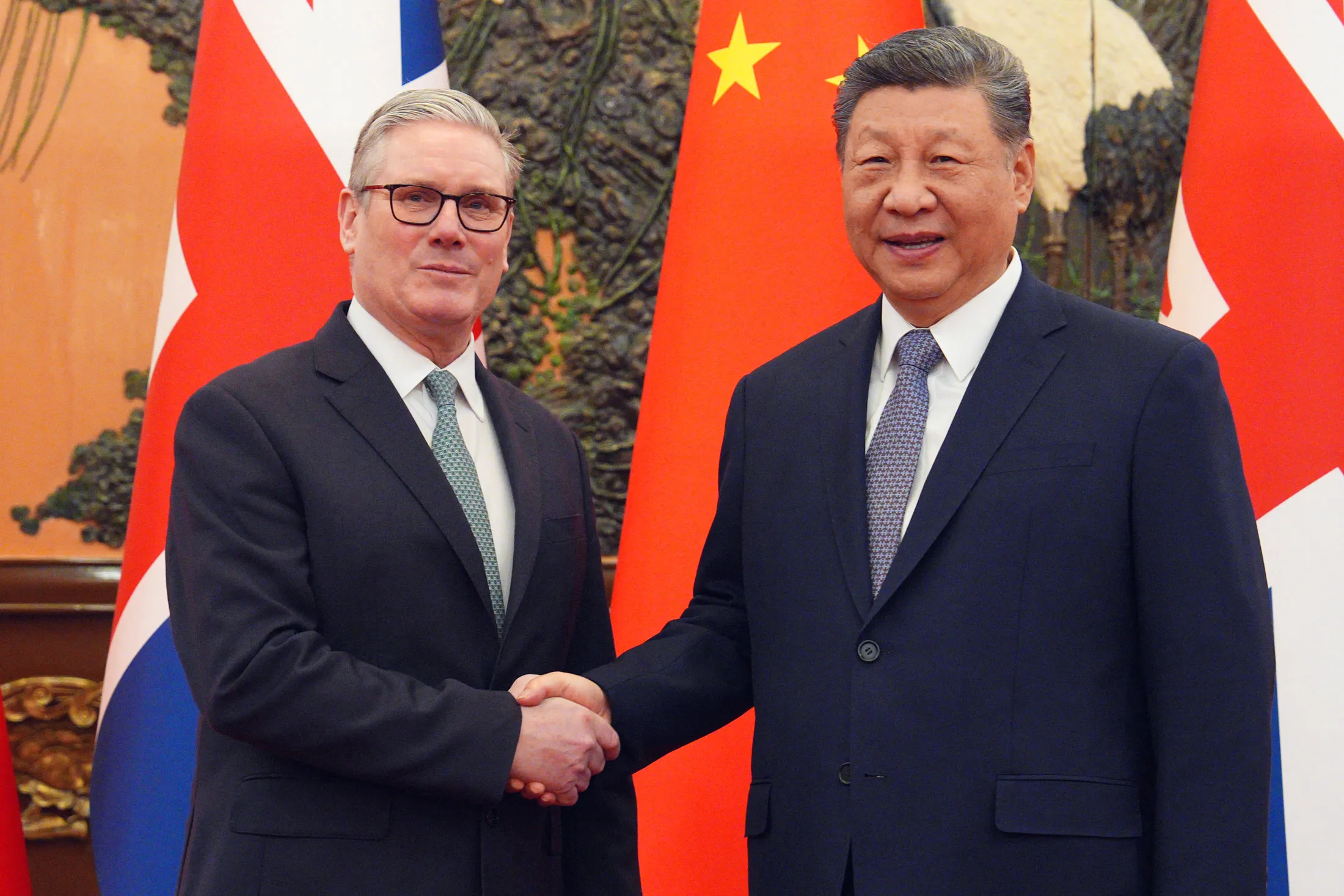
Keir Starmer’s recent diplomatic tour through China, ostensibly aimed at fostering renewed bilateral relations, carries with it an undercurrent of ambition that extends beyond immediate foreign policy objectives. For a leader who has consistently polled ahead in domestic surveys, yet still battles perceptions of a less-than-definitive public image, this high-profile engagement on the international stage represents a strategic play. It is an opportunity to project statesmanship, to demonstrate a grasp of complex global dynamics, and to carve out a distinct foreign policy vision for a potential Labour government. Yet, the very nature of political leadership means that the full fruits of such endeavors often ripen long after the initial sowing, raising questions about who might ultimately benefit from these meticulously cultivated relationships.
The itinerary itself spoke volumes, moving beyond purely economic discussions to encompass climate change cooperation and regional security dialogues. Meetings with senior Chinese officials, while not securing any immediate, headline-grabbing breakthroughs, focused on establishing channels of communication that have, in recent years, become strained. Starmer’s team emphasized the importance of a “realistic and robust engagement,” a phrase carefully chosen to signal a departure from both the more confrontational rhetoric of some Western allies and the perceived naivete of past administrations. This nuanced approach sought to balance calls for human rights accountability with the pragmatic necessity of engaging with a global economic powerhouse. The intricate dance of diplomacy in Beijing provided a stark backdrop against which Starmer could perform, showcasing a gravitas essential for a prospective prime minister.
Domestically, the trip was framed by Labour as evidence of their readiness to govern, offering a contrast to the current government’s often-criticized foreign policy inconsistencies. Starmer’s engagements were meticulously documented and disseminated, aiming to counter narratives that portray him as solely focused on internal British issues. By positioning himself as a credible interlocutor on the world stage, he sought to reassure both international partners and the British electorate that a Labour government would be a stable and predictable actor in global affairs. The implicit message was clear: a Labour-led Britain would not retreat from its international responsibilities but would actively seek to shape global discourse, particularly on issues like climate change where China’s role is undeniably pivotal.
However, the long-term impact of such diplomatic initiatives often unfolds over years, even decades. Building trust and establishing durable partnerships with a nation as complex as China is not a task for a single visit but a continuous process. Should Labour indeed form the next government, the relationships initiated or strengthened during this trip could provide a foundational advantage. Yet, the fickle nature of politics means that even the most carefully laid plans can be derailed. Leadership transitions, unforeseen global events, or shifts in domestic priorities could all alter the trajectory of these nascent diplomatic efforts. The legacy Starmer aims to forge, one of pragmatic engagement and renewed global standing, is therefore contingent not just on his current actions but on the unpredictable currents of future political landscapes.
Ultimately, Starmer’s China trip represented a significant investment of political capital, a calculated gamble on demonstrating leadership and vision beyond the confines of Westminster. It was an exercise in strategic positioning, designed to lay the groundwork for a future that, while increasingly probable, remains unwritten. The true measure of its success will not be found in immediate headlines, but in the enduring strength of the relationships fostered, and whether the potential long-term benefits accrue to the architect of the policy or to those who may inherit the mantle of leadership. The intricate web of international relations, much like domestic politics, rarely offers instant gratification, demanding patience and foresight from those who seek to navigate its complexities.