Staff Report
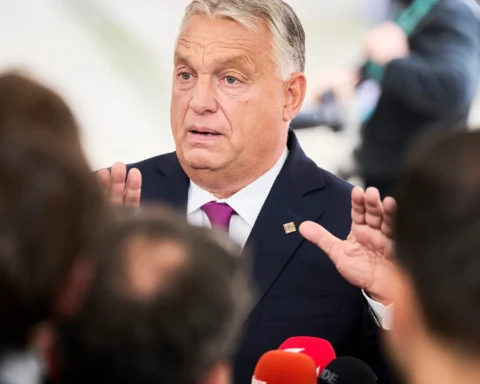
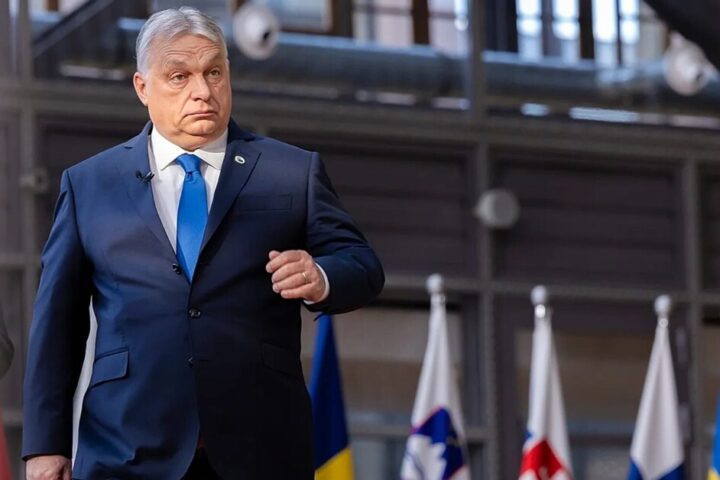
The Hungarian government has officially elevated its national security threat level as Prime Minister Viktor Orban positions his administration as a bastion of stability during escalating global tensions. This strategic move follows a series of high-level meetings with the Defense Council where officials analyzed the potential domestic repercussions of the ongoing volatility in the Middle East. By shifting the national dialogue toward security and defense, the Hungarian leader is effectively recalibrating the political landscape just as critical elections approach.
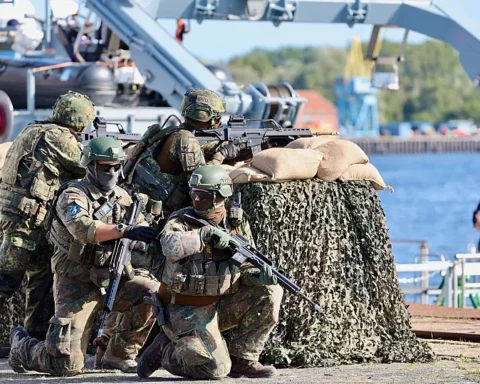
The decision to raise the terror alert level is not merely a bureaucratic adjustment but a significant public statement. Under the new protocols, law enforcement agencies have increased their presence at key infrastructure hubs, government buildings, and public gatherings. This heightened visibility serves a dual purpose for the administration. While it addresses legitimate security concerns regarding regional instability, it also reinforces a narrative of a country under threat that requires strong, centralized leadership to navigate the storm.
Critics of the Prime Minister suggest that the timing of these security measures is inextricably linked to the upcoming electoral cycle. For years, Orban has successfully utilized a platform centered on national sovereignty and protection against external threats. By highlighting the risks posed by international conflicts, the ruling Fidesz party can pivot away from domestic economic grievances, such as inflation and stagnant wage growth, and instead focus on its role as the protector of the Hungarian people. This shift in focus has historically resonated with a significant portion of the electorate that prioritizes safety and traditional national interests.
Government spokespeople have defended the measures as a necessary precaution given the unpredictable nature of modern geopolitical warfare. They argue that the spillover effects of distant conflicts often manifest in unpredictable ways, including potential migrant surges or radicalization risks. By taking a proactive stance, the administration claims it is fulfilling its primary duty to ensure the safety of its citizens. However, opposition figures argue that the government is overstating the immediate danger to create a climate of fear that naturally favors an incumbent leader.
The international community is watching Hungary’s maneuvers with interest. As a member of both the European Union and NATO, Hungary’s internal security policies and its rhetoric regarding global conflicts carry weight beyond its borders. Orban has frequently broken ranks with his Western allies on foreign policy matters, and this latest emphasis on a localized security crisis further distinguishes his approach from the broader European consensus. It suggests a continued commitment to an independent foreign policy that prioritizes tactical domestic gains over collective diplomatic strategies.
As the campaign season intensifies, the intersection of national security and political strategy will likely become even more pronounced. The administration’s ability to maintain public confidence during this period of heightened alert will be a crucial factor in the upcoming vote. If the electorate perceives the threat as genuine and the government’s response as effective, the Prime Minister may find himself with a strengthened mandate. Conversely, if the focus on security is viewed as a transparent political maneuver, it could provide the opposition with the leverage needed to challenge the long-standing dominance of the Fidesz party.
Ultimately, the current atmosphere in Budapest reflects a broader trend of populist leaders leveraging global instability to consolidate domestic power. By framing the government as the only entity capable of shielding the nation from the chaos of an interconnected world, Orban is doubling down on a proven political formula. Whether this strategy will yield the desired results at the ballot box remains to be seen, but for now, the message from the Hungarian capital is clear: the state is on high alert, and the stakes for the nation’s future have never been higher.