Staff Report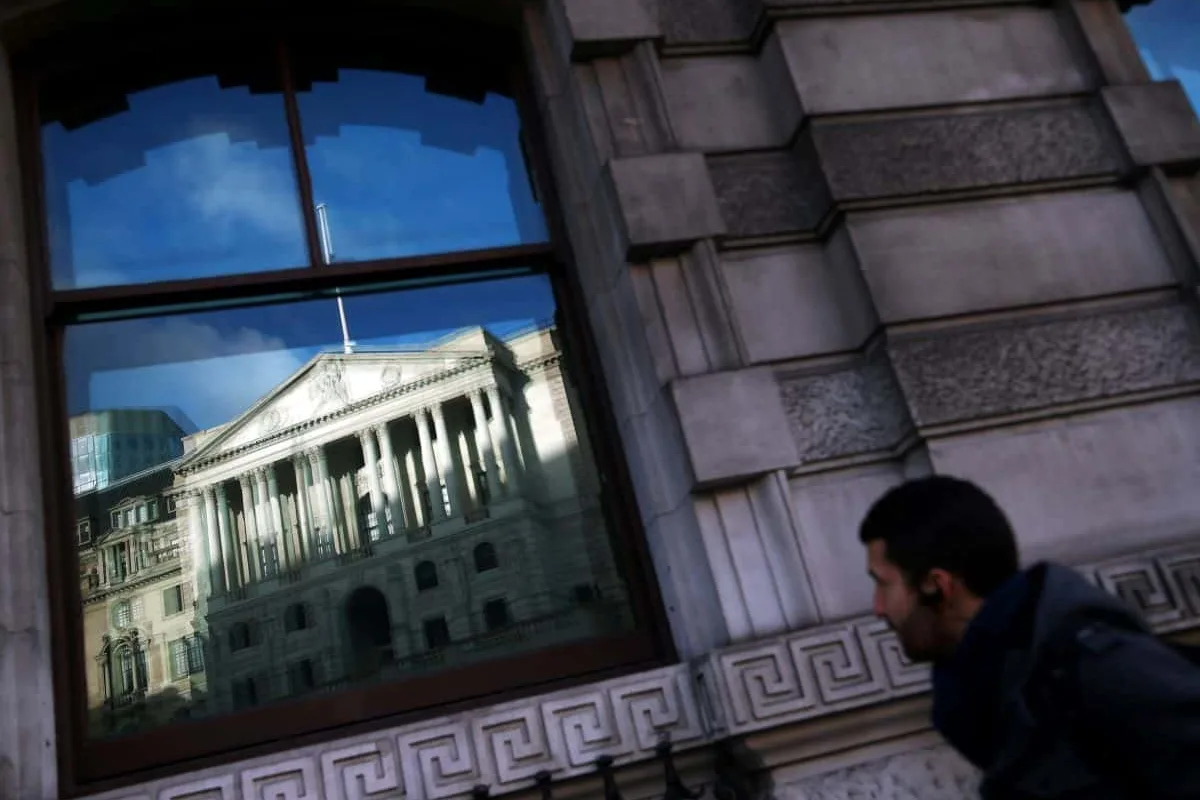
The assertion that England operates under a misapprehension of its own economic standing, viewing itself as rich while in reality being rather poor, comes from opinion writer Woolridge, stirring considerable discussion among economists and the public alike. This perspective challenges a long-held national self-image, suggesting a disconnect between historical grandeur and contemporary economic metrics. It forces a re-evaluation of how prosperity is measured and perceived, both domestically and on the global stage.
Woolridge’s argument often hinges on several key indicators, none of which individually paint a complete picture but collectively contribute to a narrative of economic fragility. Factors such as per capita GDP when adjusted for purchasing power, the widening wealth gap, and the state of public infrastructure are frequently cited. While England boasts a significant global financial center in London and a history of industrial innovation, these elements, according to Woolridge, may obscure underlying issues like regional inequalities and a struggling public services sector, which often bear the brunt of economic strain.
The historical context is undeniably crucial here. The legacy of the British Empire and its industrial revolution has instilled a sense of inherent wealth and influence that, some argue, has not fully adapted to the economic realities of the 21st century. This psychological overhang, Woolridge implies, might be preventing a clear-eyed assessment of the nation’s current position, leading to policy decisions that do not adequately address the economic challenges faced by a significant portion of its population. The perception of wealth can sometimes mask issues that require significant investment and systemic reform.
Comparisons with other developed nations often form a part of this discourse. When placed alongside countries with similar historical trajectories or economic structures, England’s performance in areas like productivity growth, household disposable income, and investment in research and development can appear less robust than the national narrative might suggest. These comparisons are not always straightforward, given the unique economic and political landscape of each country, but they do offer a different lens through which to view England’s economic health.
Moreover, the impact of recent global events, from financial crises to geopolitical shifts, has undeniably played a role in shaping England’s economic trajectory. The long-term effects of these events on national debt, inflation, and living standards are still being fully understood. Woolridge’s opinion suggests that these external pressures have exacerbated pre-existing vulnerabilities, making the gap between perceived and actual wealth even more pronounced for many citizens. This is not merely an academic debate but one that touches the daily lives of millions, influencing everything from job security to access to essential services.
Ultimately, Woolridge’s provocative statement serves as a call for introspection. It encourages a deeper look beyond headline economic figures and into the lived experiences of individuals and communities across England. Whether one agrees with the precise phrasing of “poor country that thinks it’s rich,” the underlying message about the importance of honest self-assessment and targeted economic strategy resonates with a growing number of commentators and policymakers seeking to understand the complexities of modern national economies. The conversation it sparks is about more than just numbers; it’s about national identity and future direction.