Staff Report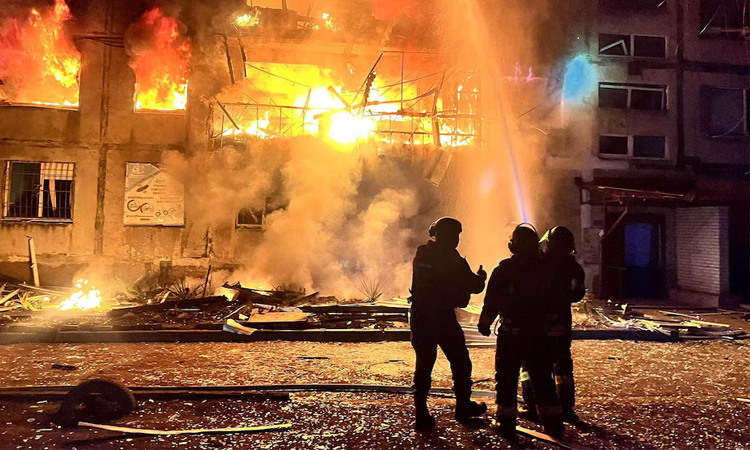
A service bus carrying miners home from their shift outside Pavlohrad in Ukraine’s Dnipropetrovsk Oblast became the target of a Russian attack on Sunday, resulting in the deaths of at least 15 individuals and injuring seven others. DTEK, Ukraine’s largest private energy firm, confirmed the strike, noting that it was part of a broader assault targeting the company’s mining operations. This incident highlights the continued peril faced by civilians in areas affected by the ongoing conflict.
Ombudsman Dmytro Lubinets characterized the bus attack in Ternivka as “yet another brutal attack with casualties,” emphasizing that the victims were non-combatants. The assault underscores the humanitarian cost of the conflict, now in its fourth year since the initial invasion, making it the largest European conflict since the Second World War. Such events routinely draw condemnation from international bodies and human rights organizations.
Earlier on the same day, a maternity hospital in Zaporizhzhia sustained damage from a separate Russian strike, causing injuries to at least nine people, including a four-year-old child. Ukrainian authorities reported that the attack ignited a fire on the second floor within the gynecology department’s reception area. Governor Ivan Fedorov confirmed that two women and the child received medical examination, and emergency services successfully extinguished the resulting blazes. Fedorov described the strike on a medical facility as “yet another proof of a war waged against life,” pointing to the direct impact on vulnerable populations.
These Sunday attacks occurred against a backdrop of diplomatic maneuvers and conflicting statements regarding a potential reduction in hostilities. Last week, former US President Donald Trump had announced that Russian President Vladimir Putin had agreed to a temporary halt in strikes on Ukrainian cities. This purported reduction was initially understood to last for a week, following a period where Russian attacks had caused widespread power outages across Ukraine.
However, Moscow subsequently clarified that any such reduction would be limited to Kyiv and would conclude on February 1, just ahead of an anticipated cold wave. This nuanced position from Moscow contrasted with the broader interpretation of Trump’s initial announcement. The timeline of these events adds a layer of complexity to understanding the intentions and strategies of the involved parties.
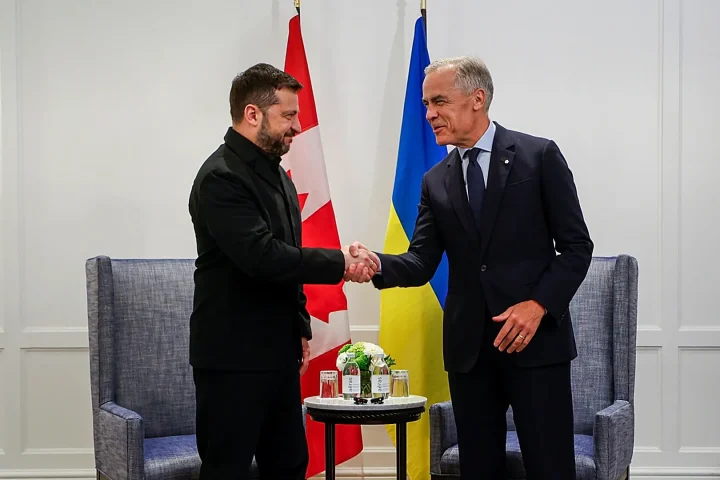
Ukrainian President Volodymyr Zelenskyy, meanwhile, announced that trilateral peace talks were scheduled for February 4 and 5 in Abu Dhabi. This revelation, shared via a tweet on Sunday, indicates ongoing efforts to find a diplomatic resolution despite the persistent military actions. The timing of these attacks, coinciding with the expiration of the unilaterally declared reduction in Russian strikes and the announcement of upcoming peace negotiations, paints a picture of a conflict characterized by both continued intensity and intermittent diplomatic engagement. The human toll in places like Pavlohrad and Zaporizhzhia continues to mount, even as discussions about peace ripple through international channels.