Staff Report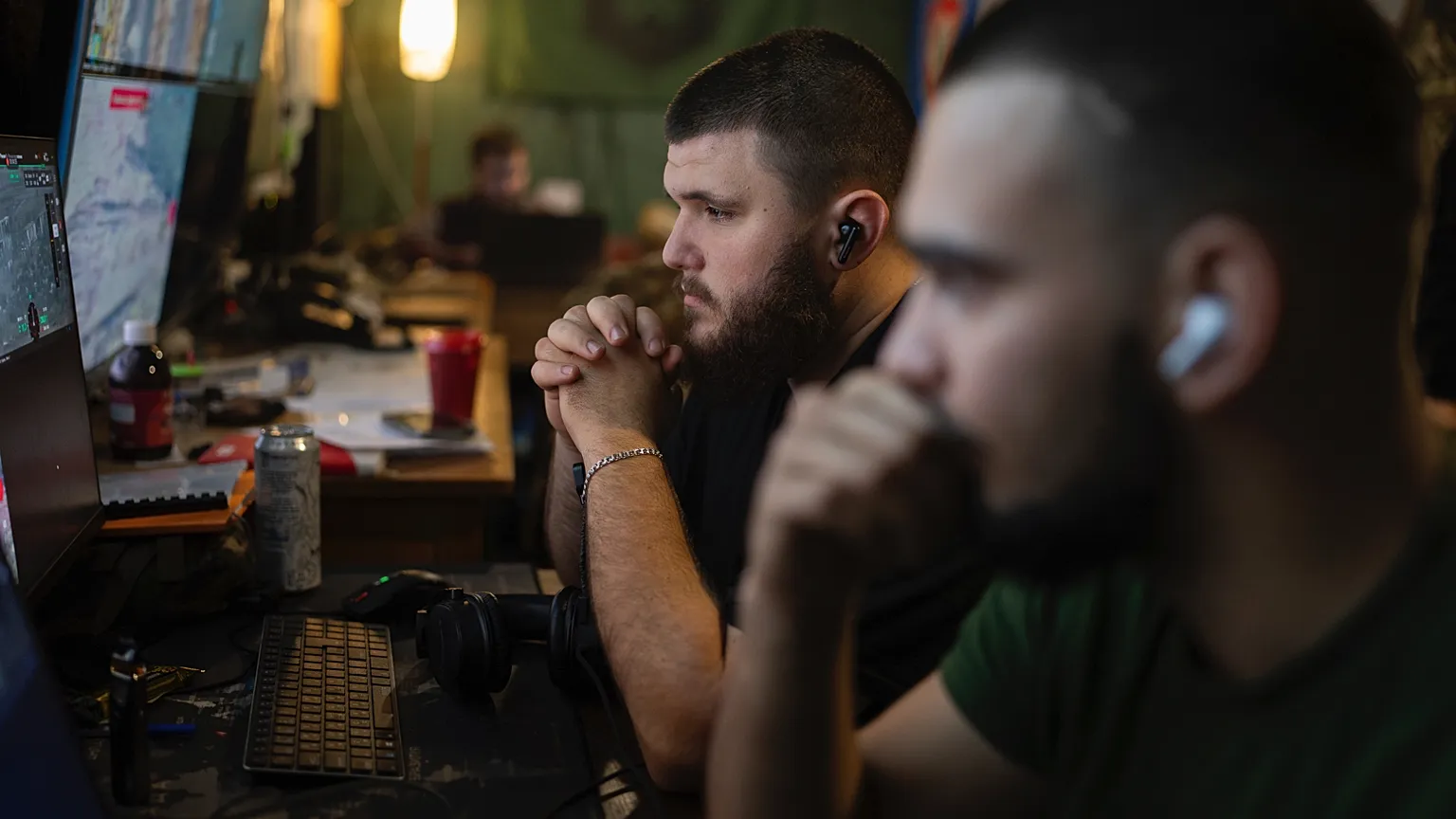
The digital battleground has intensified, with Ukraine and Elon Musk’s SpaceX taking concrete steps to curb Russia’s unauthorized use of Starlink satellite internet for drone operations. This collaboration, lauded by Kyiv as already yielding “real results,” targets a critical advantage Moscow has leveraged in recent months. Ukrainian officials had voiced concerns over Russia’s deployment of Starlink-equipped drones, noting their ability to operate effectively at low altitudes, resist electronic warfare, and maintain real-time control even over significant distances, making them particularly difficult to intercept.
Mykhailo Fedorov, Ukraine’s Defence Minister, articulated the severity of the situation, explaining that these drones, bolstered by Starlink, could strike deeper into Ukrainian territory while evading traditional countermeasures. The implications of this technological edge were stark; Russian forces reportedly mounted Starlink systems on various attack drones, including the BM-35 and Molniya models, extending their operational range to potentially encompass much of Ukraine, Moldova, and even parts of Poland, Romania, and Lithuania if launched from Russian-controlled areas. The US-based Institute for the Study of War (ISW) had also highlighted this escalating reliance, observing reports of Starlink-equipped Shahed drones as early as September 2024.
Following urgent appeals from Ukraine’s Ministry of Defence, SpaceX initiated measures to prevent this misuse. Musk publicly acknowledged these efforts on X, indicating that the attempts to halt “unauthorized” Russian access appeared to be successful. Fedorov later confirmed the immediate impact, stating that no Ukrainians had been killed by Russian drones utilizing Starlink in the days following SpaceX’s intervention, a development he described as “priceless.” This rapid response underscores the dynamic nature of modern conflict, where technological solutions and counter-solutions emerge with remarkable speed.
SpaceX has consistently maintained that it does not sell or ship Starlink terminals to Russia, nor does it conduct business with the Russian government or its military. However, Ukrainian military intelligence had gathered evidence of hundreds of attacks involving Starlink-equipped drones, suggesting that Moscow had found alternative procurement channels. These systems allowed Russian operators to bypass Ukraine’s robust electronic defenses, which typically jam GPS and radio signals to disable drones. An adviser to Ukraine’s Defence Ministry, Serhii Beskrestnov, notably cited Starlink-controlled Russian drones in a recent attack on a passenger train in the Kharkiv region.
In response to these developments, Ukraine is implementing a “white list” system for Starlink terminals within its borders. This government resolution will ensure that only verified and registered terminals remain operational, with all others slated for deactivation. This measure, undertaken in cooperation with SpaceX, aims to secure communication for Ukrainian forces and civilians while simultaneously stripping the enemy of a significant technological advantage. Ukrainian forces have come to rely heavily on Starlink for frontline communications, often preferring its secure satellite connectivity over conventional radio.
Fedorov, who previously served as Ukraine’s deputy prime minister and digital transformation minister, has been a central figure in Ukraine’s technological response to the invasion. His ministry has been instrumental in drone development, production, and broader technological advancements, including the “state within a smartphone” initiative. His direct appeals to Musk in 2022, just days into the full-scale invasion, famously led to the rapid deployment of Starlink services across Ukraine, providing over 50,000 terminals to date. This ongoing dialogue between Kyiv and SpaceX highlights a unique partnership in wartime, one that has drawn the ire and threats of Russian state media, who have even called for targeting Musk’s satellites in space with nuclear weapons. Western intelligence reports have also indicated Russia’s potential development of anti-satellite weapons, raising concerns about future space-based conflicts.