Staff Report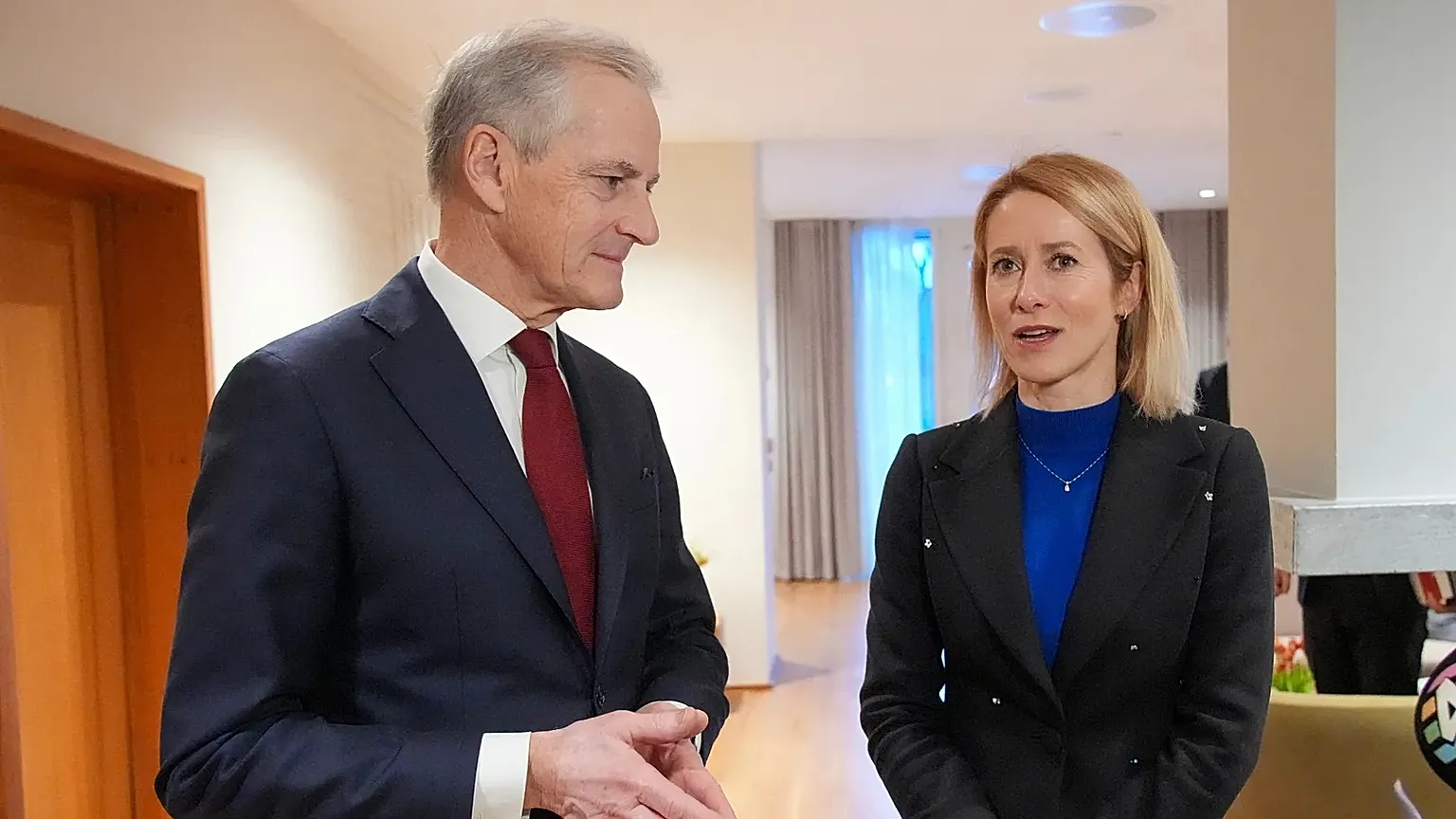
The notion of a standalone European military force, operating parallel to NATO, has drawn sharp criticism from Estonian Prime Minister Kaja Kallas. Speaking at a security conference in Norway, Kallas articulated a clear concern that such a development would create dangerous confusion regarding command and control during a crisis, potentially undermining the collective defense efforts of the alliance. Her remarks underscore an ongoing debate within European capitals about the bloc’s strategic autonomy and its defense capabilities, particularly in light of shifting geopolitical landscapes.
Kallas highlighted the fundamental difference in operational philosophy between existing European cooperation and the idea of a unified European army. While justice ministers frequently convene and think with a European mindset, she observed, defense ministers have historically maintained a national focus, driven by national budgets and decision-making processes. Although acknowledging that defense remains a member state competence, Kallas argued that individual nations are often too small to manage complex defense needs alone. She pointed to air defense as a prime example, where collaborative efforts, often in conjunction with NATO, are not only more effective but also more economically viable, identifying nine capability areas currently under joint development within this framework.
The core of Kallas’s apprehension centered on the chain of command. In any military crisis, she stressed, clarity on who issues orders to whom is paramount. Introducing a separate European army alongside existing NATO forces, she warned, could lead to a perilous scenario where critical responsibilities fall through the cracks. This potential for ambiguity, she argued, is “extremely, extremely dangerous.” Her position is that strengthening European defense should be complementary to NATO, not a replacement or a parallel structure, firmly stating, “Let’s not throw NATO out of the window.” This perspective suggests a desire to enhance European military strength within the established framework of the transatlantic alliance rather than creating entirely new structures that could complicate, rather than streamline, defense efforts.
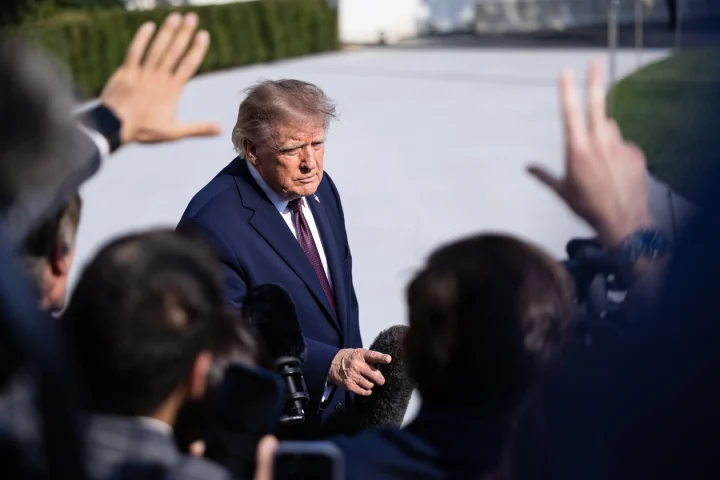
Her comments arrived amidst a broader discussion on European security, which included remarks from Norwegian Prime Minister Jonas Gahr Støre. Støre addressed the critical role Norway plays as NATO’s front line against Russia’s nuclear capabilities, directly countering rhetoric that downplays European contributions to the alliance. He recounted a telling exchange with former President Trump, where he emphasized Norway’s crucial intelligence gathering on Russian nuclear movements, information shared directly with allies. Støre firmly rejected the assertion that European members offer little in return for NATO’s support, highlighting the collaborative monitoring of Russia’s vast nuclear arsenal as a direct benefit to the United States.
Støre further illustrated the scale of ongoing cooperation by referencing upcoming Arctic military exercises. He noted that within a month, 25,000 troops would be participating in drills across northern Norway and Finland, with significant contingents from France and the United States, each contributing between 4,000 and 5,000 personnel. This, he asserted, is not an act of charity but a clear demonstration of shared strategic interests. Such large-scale, multinational exercises serve as a tangible reminder of the active and substantial contributions European nations make to collective security.
Despite recent tensions, fueled partly by figures like Donald Trump and his criticisms of European defense spending, Kallas rejected the notion of a significant rift within NATO. She maintained that cooperation between the alliance and the European Union has, in fact, strengthened. With 23 EU member states also part of NATO, she underscored the inherent collaboration, stating that their efforts are “in addition to what NATO is doing” and that they “really work hand in hand.” While acknowledging that Europe is not yet fully independent in its security without U.S. support, Kallas affirmed that efforts are underway to increase defense spending and enhance capabilities, recognizing that vulnerabilities represent weaknesses and that investing in defense should be viewed from a European, rather than solely national, perspective.