Staff Report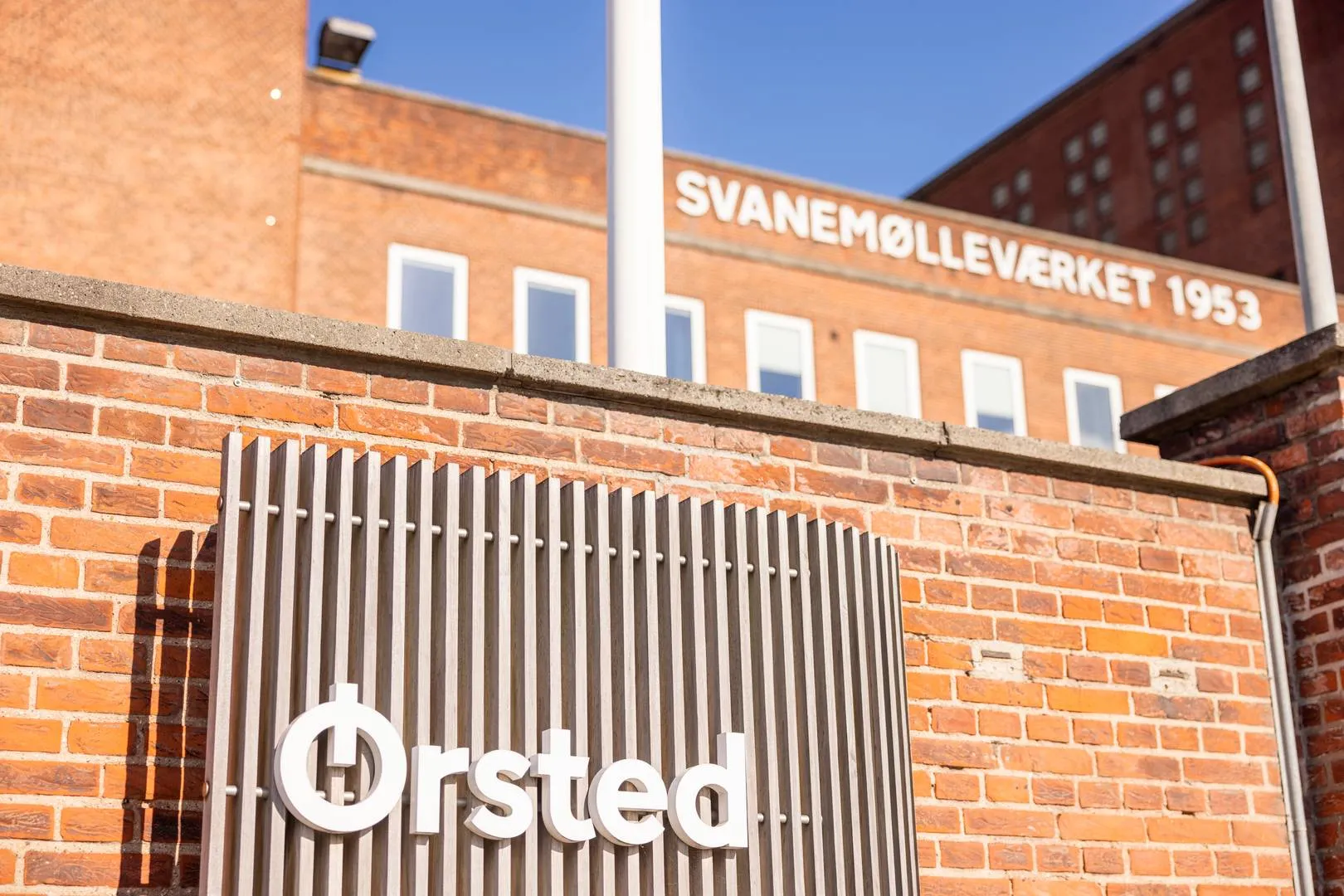
The energy landscape continues its dynamic shift as Orsted, the Danish renewable energy giant, announced its agreement to sell its European onshore wind business to Copenhagen Infrastructure Partners (CIP) for an enterprise value of €1.4 billion. This strategic move, confirmed by both parties, signals a focused realignment for Orsted as it intensifies its commitment to large-scale offshore wind projects and other sustainable energy technologies. The transaction encompasses Orsted’s operational onshore wind farms across several European countries, as well as a pipeline of development projects, representing a significant portfolio shift.
This divestment by Orsted is not merely a financial transaction; it reflects a broader industry trend where companies are specializing their renewable energy portfolios. Orsted has long been a global leader in offshore wind, pioneering many of the technologies and development models that have propelled the sector forward. By shedding its European onshore assets, the company aims to optimize capital allocation, allowing for greater investment in its core competencies. The proceeds from the sale are expected to bolster Orsted’s financial flexibility, providing resources for future offshore wind developments and potentially other emerging green technologies like Power-to-X.
For Copenhagen Infrastructure Partners, an investment firm specializing in energy infrastructure, acquiring Orsted’s European onshore wind unit represents a substantial expansion of its footprint in the renewable energy sector. CIP has consistently sought out large-scale, long-term investments in green infrastructure, and this acquisition aligns perfectly with its strategy. The portfolio includes 1.1 GW of operational and under-construction wind farms, along with 2.4 GW of development projects, offering CIP immediate operational capacity and a robust pipeline for future growth. This move positions CIP as an even more formidable player in the European onshore wind market, leveraging established assets and development capabilities.
The transaction is structured to include Orsted providing certain services to CIP for a transitional period, ensuring a smooth handover of operations and ongoing projects. This arrangement underscores the complexity of such large-scale transfers and the need for continuity in managing critical infrastructure. The operational assets involved are primarily located in Germany, France, the UK, and Poland, countries with well-established renewable energy markets and supportive regulatory frameworks. This geographic spread provides CIP with a diversified portfolio, mitigating risks associated with reliance on a single market.
Industry analysts are closely watching the implications of this deal for the broader renewable energy market. It highlights the increasing appetite among institutional investors for mature, operational renewable energy assets, which offer stable returns and align with growing ESG mandates. Furthermore, it suggests that even major developers like Orsted are willing to divest non-core assets to sharpen their strategic focus, signaling a maturing market where specialization can yield competitive advantages. The €1.4 billion enterprise value reflects the robust demand for high-quality renewable energy infrastructure, even amidst fluctuating energy prices and supply chain challenges.
The completion of the sale is subject to customary regulatory approvals, which are anticipated to be secured within the coming months. Both Orsted and CIP have expressed confidence that the transaction will proceed as planned, marking a significant milestone for both companies. As the world continues its transition toward a greener energy future, such strategic realignments among key players will likely become more common, reshaping the landscape of global energy production and investment.