Staff Report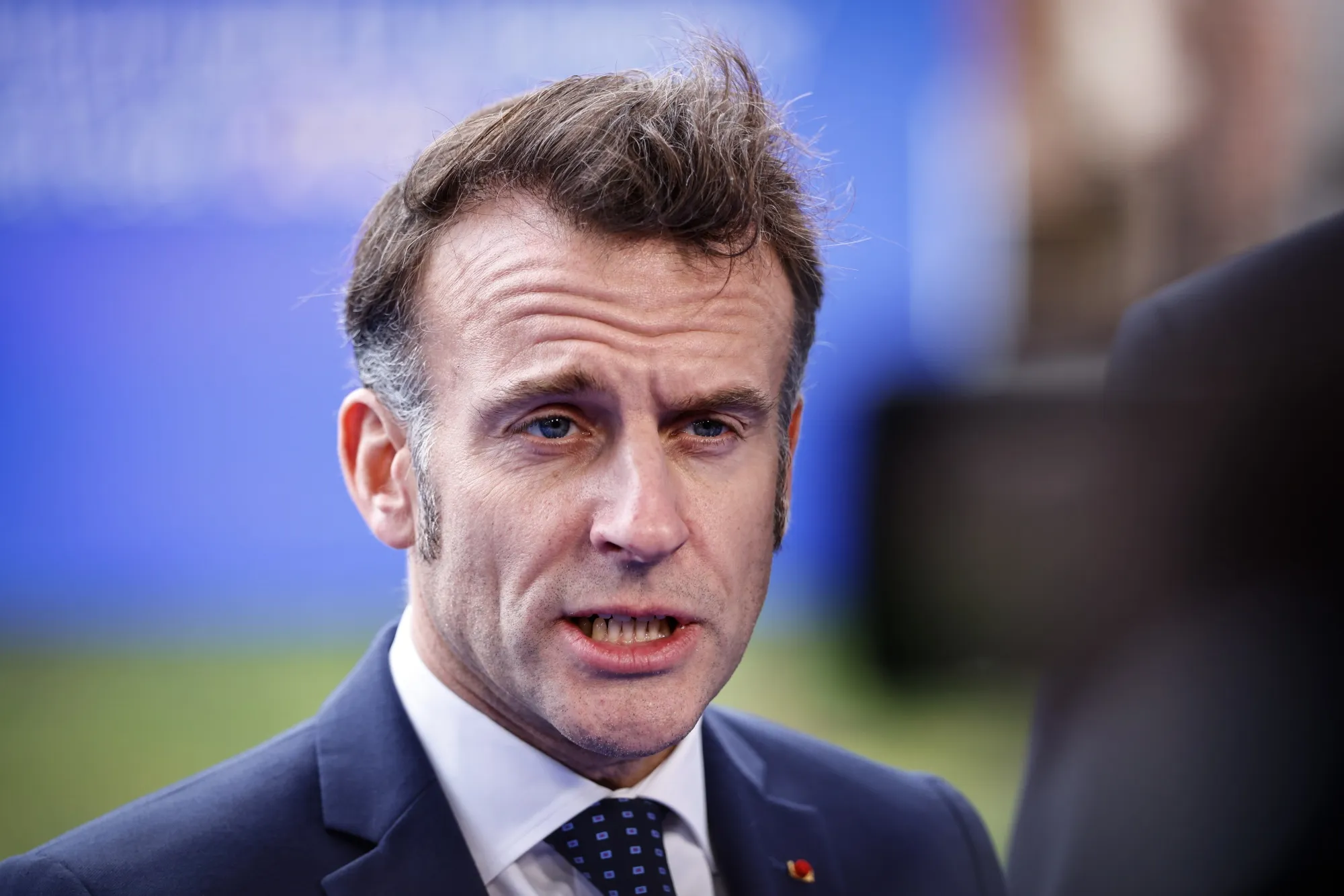
The upcoming meeting between French President Emmanuel Macron and Indian Prime Minister Narendra Modi arrives at a pivotal moment for both nations, with discussions anticipated to center on expanding their already robust collaboration in technology and defense sectors. This engagement follows a period of intensified strategic dialogue, reflecting a mutual interest in fostering greater self-reliance and asserting influence on the global stage. The two leaders have previously emphasized the importance of a multi-polar world and a rules-based international order, positioning their bilateral relationship as a cornerstone of these ambitions.
France has steadily emerged as a key European partner for India, particularly in areas where other Western nations have hesitated or faced geopolitical constraints. This includes critical technology transfers and co-development initiatives, moving beyond simple buyer-seller dynamics. The defense relationship, in particular, has seen significant growth, underscored by India’s acquisition of Rafale fighter jets and Scorpene-class submarines. These deals represent not just procurement but also a strategic alignment, with France often more willing to share sophisticated technology and facilitate local production than some other traditional defense suppliers. The current agenda is expected to delve into further avenues for joint research and development, potentially including advancements in aerospace, naval systems, and even cybersecurity.
Beyond military hardware, the technological partnership spans a broader spectrum. Space cooperation, a long-standing pillar of the India-France relationship, is likely to feature prominently. Both countries possess advanced space programs and have previously collaborated on satellite launches and planetary missions. Discussions could explore future joint ventures in satellite navigation, earth observation, and even human spaceflight support, capitalizing on India’s burgeoning capabilities and France’s established expertise. The digital economy also presents fertile ground for collaboration, with potential agreements on artificial intelligence, quantum computing, and semiconductor manufacturing, areas where both nations are keen to reduce reliance on a limited number of global players.
The geopolitical landscape provides a compelling backdrop for these intensified discussions. With shifting alliances and evolving security challenges, both India and France recognize the strategic imperative of diversifying their partnerships and enhancing their indigenous capabilities. India’s “Make in India” initiative finds a natural fit with France’s industrial prowess, creating opportunities for co-production and technology localization that benefit both economies. This approach not only strengthens their respective defense industrial bases but also provides a degree of strategic autonomy in a world increasingly characterized by supply chain vulnerabilities.
Observers will be closely watching for concrete announcements emerging from the summit, particularly regarding new defense contracts or major technology transfer agreements. The leaders’ ability to translate diplomatic rhetoric into tangible projects will be a key indicator of the enduring strength and future trajectory of the India-France strategic partnership. The commitment to shared values, coupled with pragmatic economic and security interests, continues to drive this relationship forward, solidifying its importance in the global diplomatic architecture.