Staff Report
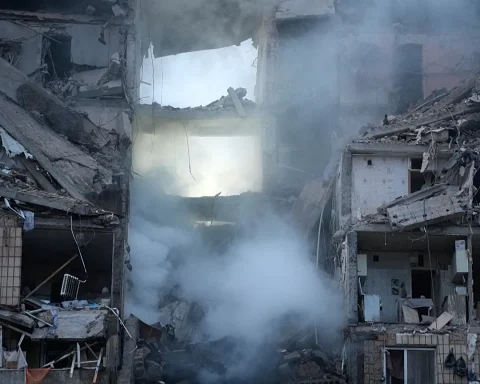
The geopolitical landscape of the Middle East shifted dramatically this week as Qatari officials confirmed the interception of a third wave of ballistic missiles over the capital city of Doha. For a nation that has historically positioned itself as a neutral mediator between Western powers and regional adversaries, this direct escalation marks a perilous turning point. The Qatari Ministry of Defense reported that air defense systems successfully neutralized the incoming projectiles, but the sheer persistence of the attacks has forced a sharp change in the country’s diplomatic posture.
In a televised address that resonated through the corridors of power in both Washington and Tehran, Qatari leadership declared that the nation reserves the right to respond to these provocations at a time and place of its choosing. This language, while measured, signals a departure from the de-escalation rhetoric that has defined Qatari foreign policy for decades. The targeting of Doha, a major international financial hub and home to critical global energy infrastructure, suggests that the current regional conflict is expanding beyond traditional front lines.
Security analysts are currently dissecting the technical details of the interceptions to determine the exact origin and sophistication of the weaponry used. While the missiles are widely attributed to Iranian forces or their immediate proxies, the strategic intent behind targeting a state that has frequently facilitated dialogue with Iran remains a subject of intense debate. Some experts suggest that the strikes are an attempt to pressure Qatar into abandoning its security partnerships with Western allies, while others view it as a broader tactic to destabilize the global liquefied natural gas market.
The international community has reacted with swift condemnation. The United States and several European nations have reaffirmed their commitment to Qatari sovereignty, promising continued intelligence sharing and technical support for Doha’s missile defense shield. However, the prospect of a direct Qatari military response adds a new layer of complexity to an already volatile situation. If Qatar chooses to exercise its right to retaliate, it could draw the region into a wider conflagration that many had hoped to avoid.
Domestic life in Doha remains resilient, yet the atmosphere is noticeably tense. Residents have been advised to remain vigilant as the government increases its security presence around vital landmarks and transportation hubs. Despite the threat, the Qatari government has emphasized that its economic operations and international commitments will continue without interruption. The message is clear: while Doha will not be intimidated, it will also not remain passive in the face of direct aggression.
As the diplomatic fallout continues, all eyes are on the upcoming emergency session of the Gulf Cooperation Council. The outcome of these high-level talks will likely determine whether the region moves toward a fragile truce or descends further into a cycle of structural violence. For now, Qatar stands at a crossroads, balancing its legacy as a peacemaker with the immediate necessity of national defense in an increasingly hostile neighborhood.