Staff Report
A significant migration is currently reshaping the digital landscape as the world’s most prominent social media personalities turn their backs on traditional European capitals. For decades, cities like London, Paris, and Berlin served as the primary incubators for creative talent, offering the aesthetic backdrop and networking opportunities necessary to build a global brand. However, a new center of gravity has emerged in the Middle East, with Dubai rapidly becoming the preferred headquarters for the next generation of digital entrepreneurs.
This shift is driven by a combination of aggressive government policy and a lifestyle infrastructure specifically designed to cater to the needs of the modern creator. While European creators often face complex tax structures and a rising cost of living that eats into their profit margins, the United Arab Emirates has positioned itself as a tax-efficient sanctuary. By offering specialized visas for freelancers and remote workers, Dubai has removed many of the bureaucratic hurdles that traditionally hampered young entrepreneurs looking to scale their businesses internationally.
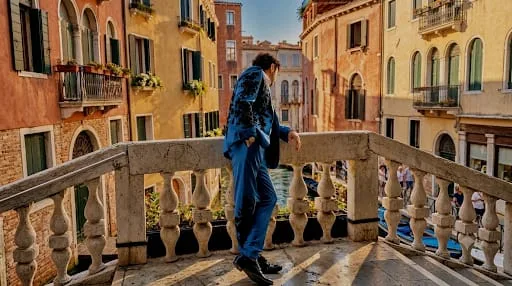
The physical environment of Dubai also plays a crucial role in this mass relocation. The city is essentially built to be photographed, featuring futuristic architecture, year-round sunshine, and high-end luxury experiences that provide endless material for Instagram, TikTok, and YouTube. In the competitive world of high-end lifestyle content, the visual appeal of one’s surroundings is a vital asset. European cities, while historically rich, often struggle to compete with the sheer novelty and polished aesthetic of the Dubai skyline, which resonates more effectively with the aspirations of Gen Z audiences.
Beyond aesthetics and tax benefits, the networking ecosystem in Dubai has reached a critical mass. When a significant number of high-profile influencers move to a single geographic location, it creates a powerful snowball effect. Collaborations that previously required expensive international flights can now happen over lunch at a local cafe. This density of talent has attracted major global brands and marketing agencies to set up regional headquarters in the city, ensuring that the creators living there have direct, face-to-face access to lucrative sponsorship deals and corporate partnerships.
Traditional media hubs in Europe are beginning to feel the impact of this talent drain. As the most influential voices of the younger generation depart, the cultural relevance of these cities risks stagnation. The loss is not just cultural but economic, as these creators bring with them substantial digital footprints that drive tourism and consumer behavior. When a top-tier influencer posts about a new restaurant or hotel in Dubai, it reaches millions of potential visitors instantly, effectively serving as a high-velocity marketing engine for the city’s economy.
Critics of the move often point to the cultural differences and regulatory environments of the Middle East compared to the more liberal social structures of Europe. However, for many Gen Z creators, the trade-off is framed as a pragmatic business decision. They view themselves not just as entertainers, but as CEOs of their own media empires. From this perspective, moving to a location that prioritizes business growth, digital infrastructure, and direct investment in the creator economy is a logical step in their professional evolution.
As the digital economy continues to mature, the competition for talent will only intensify. Dubai’s success in attracting this demographic serves as a blueprint for how a city can pivot its economy toward the future. Whether European hubs can innovate their own policies to retain their creative classes remains to be seen, but for now, the desert metropolis remains the most sought-after destination for those looking to define the next era of global influence.