Staff Report
The European Union is preparing for a series of high-level diplomatic discussions as the geopolitical situation in the Middle East continues to deteriorate, causing unprecedented disruptions to international travel. With thousands of European citizens currently located in high-risk zones, Brussels is facing mounting pressure to coordinate a unified evacuation strategy that can bypass the logistical nightmares currently plaguing the region’s major transit hubs.
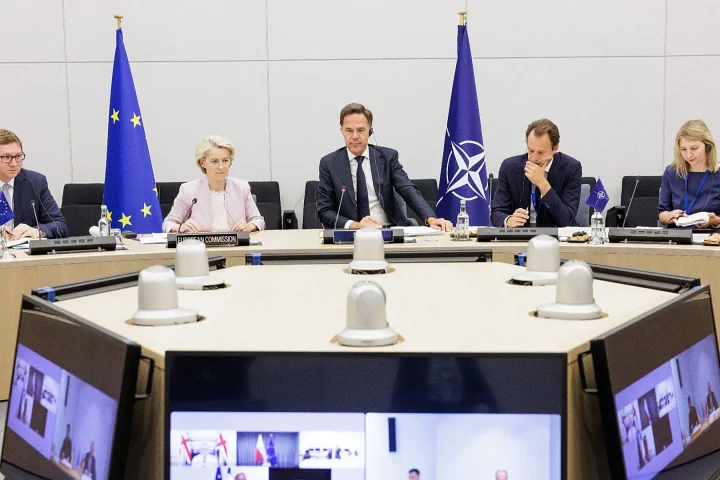
Foreign ministers from across the bloc are expected to meet later this week to determine how to best allocate resources for emergency flights and maritime corridors. The primary challenge lies in the closure of multiple airspace sectors and the cancellation of hundreds of commercial flights, which has left many travelers stranded without a clear path home. While individual nations have already begun small-scale operations, the European Commission is advocating for a more synchronized approach to ensure that smaller member states have equal access to transport assets and diplomatic protections.
Security analysts suggest that the scale of the current crisis could rival some of the largest repatriation efforts in recent European history. The logistical complexity is compounded by the fact that many key airports in the region are operating under emergency protocols or have been rendered inaccessible due to security threats. This has forced planners to look toward alternative exit points, including overland routes through neighboring countries and the use of military transport aircraft where civilian options have failed.
Beyond the immediate physical danger to citizens, the European Union is also concerned about the long-term economic and political ramifications of the travel chaos. The sudden halt in movement has disrupted supply chains and business operations for numerous European firms with interests in the Middle East. Furthermore, there is a significant humanitarian dimension to the talks, as officials must balance the needs of their own nationals with the broader commitment to regional stability and the protection of vulnerable populations.
During the upcoming sessions, member states will likely discuss the activation of the Integrated Political Crisis Response mechanism. This tool allows for the rapid sharing of information and the pooling of resources during cross-border emergencies. By utilizing this framework, the EU hopes to create a centralized database of citizens requiring assistance, which would allow for more efficient flight manifest planning and more effective communication with those on the ground.
Some member states have expressed concern over the rising costs of these operations. With fuel prices fluctuating and the need for specialized security details on extraction flights, the financial burden is significant. However, the prevailing sentiment in Brussels is that the safety of European citizens remains the non-negotiable priority. Discussions are expected to include provisions for cost-sharing and the potential use of the European Civil Protection Pool to subsidize the most expensive aspects of the mission.
As the situation remains fluid, the European External Action Service is maintaining constant contact with embassies and consulates across the region. Travelers are being urged to register their presence with national authorities and to remain in secure locations until a formal evacuation plan is neutralized. The outcome of the upcoming talks will be a critical indicator of the EU’s ability to act as a cohesive global power in times of acute international instability.