Staff Report
The geopolitical landscape in the Middle East has shifted into a precarious new phase, leaving economists and currency strategists on high alert. As the prospect of a prolonged conflict involving Iran looms larger, the European Union finds itself in a particularly vulnerable position. While global markets typically react to instability with volatility, the specific structural dependencies of the Eurozone suggest that the common currency could be facing a significant devaluation if hostilities do not subside.
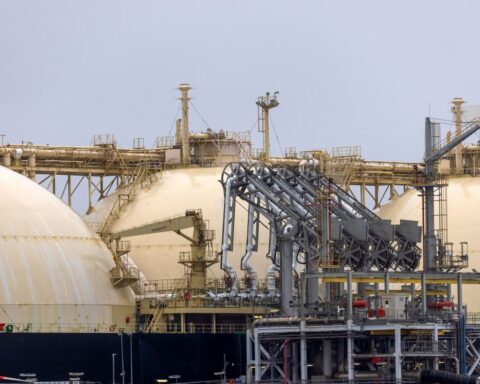
Financial analysts point to several critical pressure points that would drive the euro downward in the event of an extended military engagement. The most immediate concern is the inevitable surge in energy prices. Despite efforts to diversify energy sources following the invasion of Ukraine, Europe remains highly sensitive to fluctuations in the global oil and gas markets. A conflict that disrupts shipping lanes in the Strait of Hormuz would send crude prices skyrocketing, essentially acting as a massive tax on European industry and consumers alike. Unlike the United States, which has domestic production to lean on, the Eurozone’s reliance on imports means that every dollar increase in oil prices drains capital directly from the bloc’s economy.
Investor sentiment is already showing signs of a retreat toward safe-haven assets. Historically, during times of global strife, the U.S. dollar and the Swiss franc benefit from capital flights. The euro, meanwhile, often struggles to maintain its footing when geopolitical risk rises on the periphery of the continent. If the situation with Iran transitions from a series of isolated skirmishes into a sustained regional war, the outflow of capital from European equities and bonds could accelerate. This shift would fundamentally weaken the euro against the dollar, potentially pushing the currency toward parity once again.
Central bank policy complicates the outlook further. The European Central Bank is currently navigating a delicate path, attempting to manage cooling inflation without stifling the modest growth seen in major economies like Germany and France. A war-induced energy shock would present a nightmare scenario for policymakers: rising inflation caused by supply costs paired with a slowing economy. This stagflationary environment would limit the ECB’s ability to raise rates to defend the currency, as doing so might trigger a deeper recession. Consequently, the euro would be left exposed to market forces with little institutional protection.
Trade relations are another area of significant concern. European nations have maintained complex, if strained, diplomatic and economic channels within the region. A full-scale conflict would likely necessitate a new regime of sanctions and trade barriers that would further isolate the European market from Middle Eastern partners. The disruption of supply chains and the increased costs of logistics would add further friction to an already sluggish European recovery. Experts argue that the cumulative effect of these disruptions would not just be a short-term dip, but a structural reassessment of the euro’s value on the world stage.
As diplomatic efforts continue in hopes of de-escalating the situation, the financial world remains skeptical. The risk premium being priced into European assets is growing, reflecting a fear that the continent is unprepared for another external shock so soon after the energy crisis of 2022. For the euro to remain stable, a swift return to regional stability is required. Without it, the currency may find itself on a downward trajectory that reflects Europe’s precarious energy and security dependencies in an increasingly hostile global environment.