Staff Report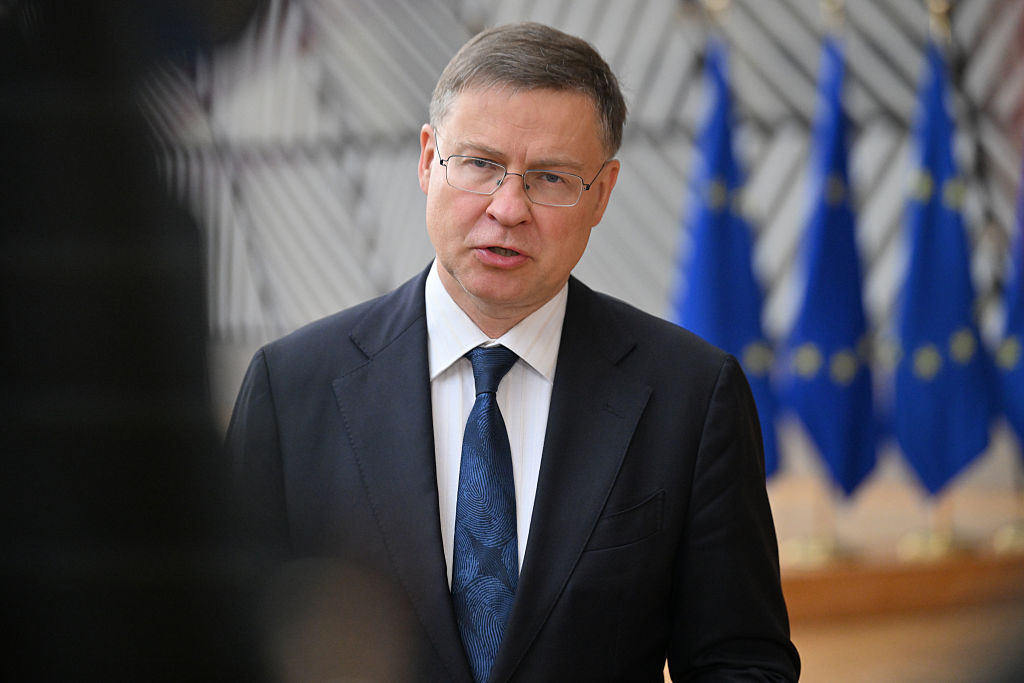
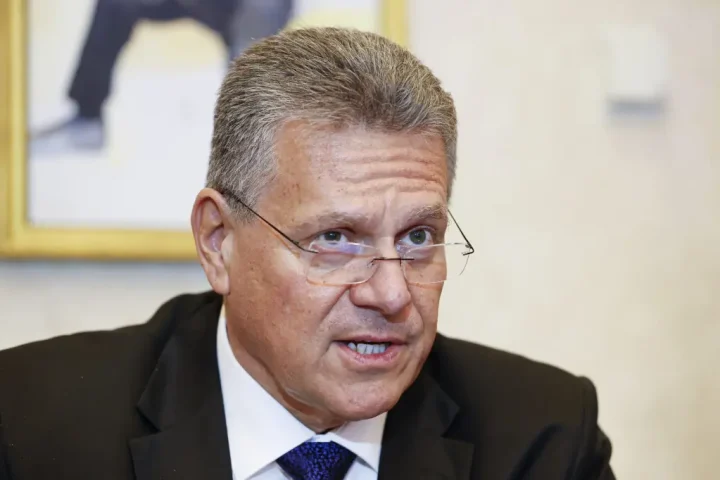
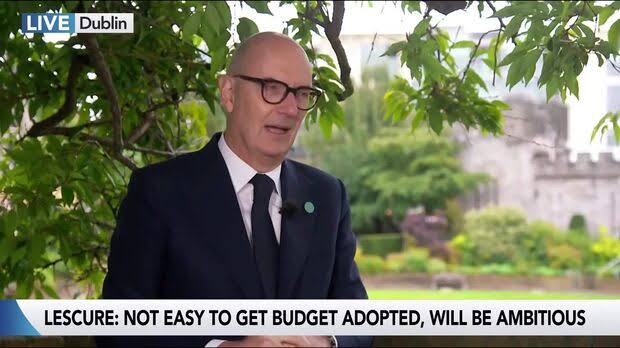
Valdis Dombrovskis, the European Commission’s Executive Vice President for an Economy that Works for People, recently offered a sober assessment of how escalating tensions, particularly those stemming from the conflict involving Iran, could ripple through the global economy. His remarks underscored the precarious balance confronting international markets already grappling with persistent inflation and uneven post-pandemic recovery. The prospect of an expanded conflict in the Middle East, he indicated, poses a significant threat, primarily through its potential impact on energy prices and trade routes.
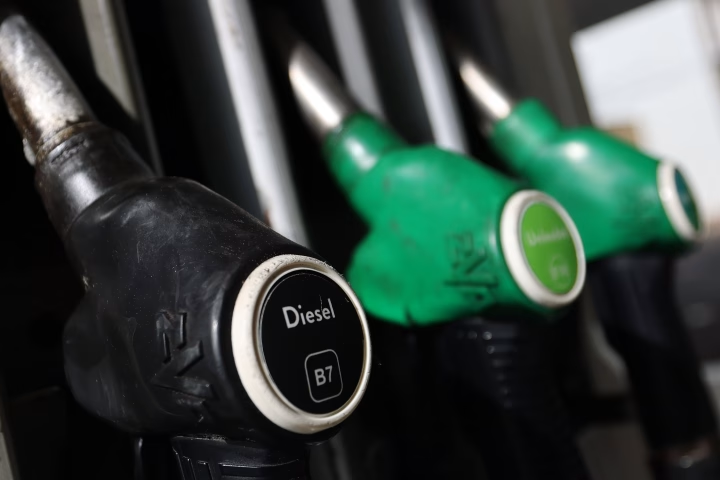
The immediate concern, as articulated by Dombrovskis, centers on oil supply and its subsequent effect on inflation. A substantial disruption to crude oil flows, particularly from the Persian Gulf, would inevitably lead to a sharp increase in energy costs. Such a scenario would not only reignite inflationary pressures across the Eurozone and beyond but also complicate the delicate task central banks face in managing monetary policy. Higher energy prices translate directly into increased production costs for businesses and reduced purchasing power for consumers, potentially stifling economic growth at a time when many nations are still seeking robust expansion.
Beyond direct energy impacts, Dombrovskis highlighted the broader implications for global trade and supply chains. The Red Sea, a critical maritime artery, has already experienced significant disruptions, forcing shipping companies to reroute vessels around the Cape of Good Hope. This longer journey adds considerable time and expense to freight, driving up costs for imported goods and creating delays that can ripple through manufacturing and retail sectors. An escalation of hostilities could further imperil these vital shipping lanes, exacerbating existing supply chain vulnerabilities and potentially leading to shortages of various commodities and manufactured goods.
The European Union, heavily reliant on international trade and energy imports, would be particularly exposed to these economic headwinds. Dombrovskis emphasized the need for continued vigilance and proactive measures to mitigate potential shocks. This includes exploring diversification of energy sources where feasible and strengthening strategic reserves. However, the interconnected nature of the global economy means that no region would remain entirely insulated from a widespread geopolitical crisis impacting major energy producers and trade routes.
Financial markets, Dombrovskis noted, are also susceptible to heightened uncertainty. Investors tend to retreat from riskier assets during periods of geopolitical instability, seeking safe havens. This shift can lead to increased volatility in equity markets, currency fluctuations, and a tightening of credit conditions, all of which can impede investment and economic activity. The cumulative effect of these factors — higher energy prices, trade disruptions, and financial market instability — paints a challenging picture for global economic forecasts.
Despite these significant concerns, Dombrovskis did not express a sense of inevitability regarding a severe economic downturn. Instead, his commentary served as a call for international cooperation and diplomatic efforts to de-escalate tensions. The global economy, while resilient in many respects, operates on a foundation of relative stability, and prolonged or expanded conflict threatens to erode that foundation, making the path to sustainable growth considerably more arduous for countries worldwide. The focus remains on managing the immediate risks while preparing for potential long-term consequences.