Staff Report
The reverberations of ongoing geopolitical conflict are acutely felt across the Euro-Zone, manifesting as persistent economic strain that challenges established growth forecasts. Initial assessments of resilience have given way to a more sober understanding of interconnected global markets, where distant conflicts inevitably ripple through supply chains, energy prices, and consumer confidence. This intricate web of dependencies means that even nations geographically far removed from the direct conflict zone are navigating a landscape of elevated uncertainty and tangible economic pressure.
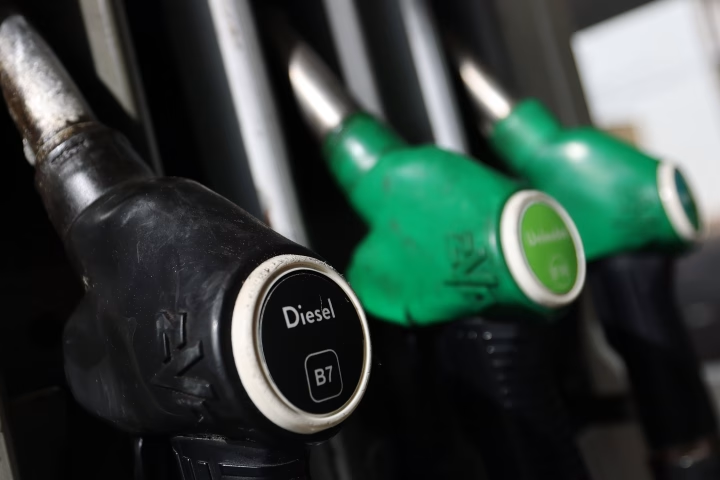
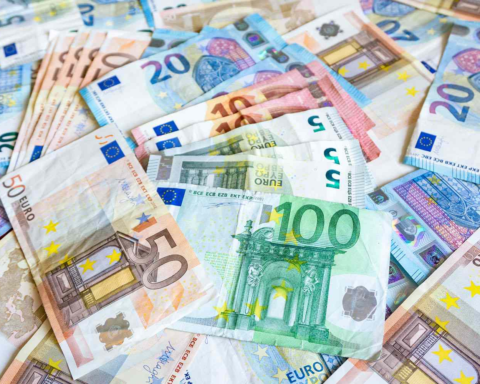
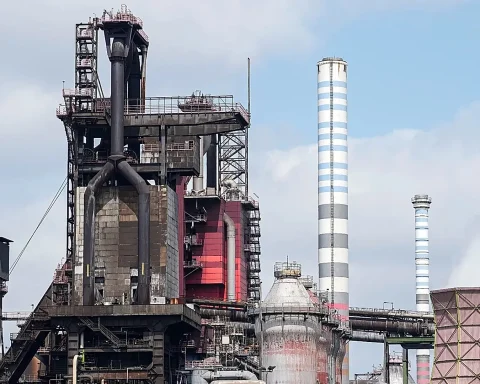
Inflation, already a concern prior to the escalation of hostilities, has seen renewed upward momentum, particularly in the energy sector. European households and industries, heavily reliant on imported fossil fuels, have faced significant cost increases, contributing to a broader inflationary environment that erodes purchasing power and complicates monetary policy decisions for the European Central Bank. Businesses, in turn, grapple with higher input costs, which are often passed on to consumers, creating a cycle that threatens to stifle economic activity. The immediate impact on energy markets has been particularly stark, forcing several Euro-Zone members to re-evaluate their long-term energy strategies and accelerate diversification efforts.
Beyond energy, the conflict has disrupted critical trade routes and exacerbated existing supply chain vulnerabilities. Commodities ranging from agricultural products to industrial metals have seen price volatility, directly affecting manufacturing output and food security within the Euro-Zone. Companies that rely on specific raw materials or components originating from conflict-affected regions or those adjacent to them have been forced to seek alternative suppliers, often at higher costs and with extended lead times. This recalibration of global logistics adds another layer of complexity to an already challenging economic outlook, impacting sectors from automotive production to food processing.
Consumer sentiment across the Euro-Zone reflects these mounting pressures. Households, confronted with rising living costs and an uncertain future, are often curtailing discretionary spending, which further dampens demand and economic growth. This cautious approach by consumers, while understandable, creates a challenging environment for businesses reliant on robust domestic consumption. Investment decisions are also being weighed more carefully, as businesses assess geopolitical risks and the potential for prolonged economic instability before committing to new projects or expansions.
Governments within the Euro-Zone are responding with a mix of fiscal measures aimed at mitigating the impact on vulnerable populations and industries. Subsidies for energy costs, support packages for businesses, and measures to stabilize food prices have been introduced, but these interventions often come with their own fiscal implications, potentially increasing national debts at a time when prudent financial management is paramount. The balancing act between supporting citizens and maintaining fiscal discipline is becoming increasingly delicate for finance ministers across the bloc. The long-term implications of these interventions on public finances and future economic resilience remain a significant point of discussion and concern among policymakers.
As the situation evolves, the Euro-Zone economy finds itself at a critical juncture. The ability of its institutions and member states to adapt to these ongoing global shocks, manage inflationary pressures, and secure resilient supply chains will largely determine its economic trajectory in the coming years. The interconnectedness of the global economy ensures that the resolution of distant conflicts, or their prolonged continuation, will continue to cast a long shadow over European prosperity.