Staff Report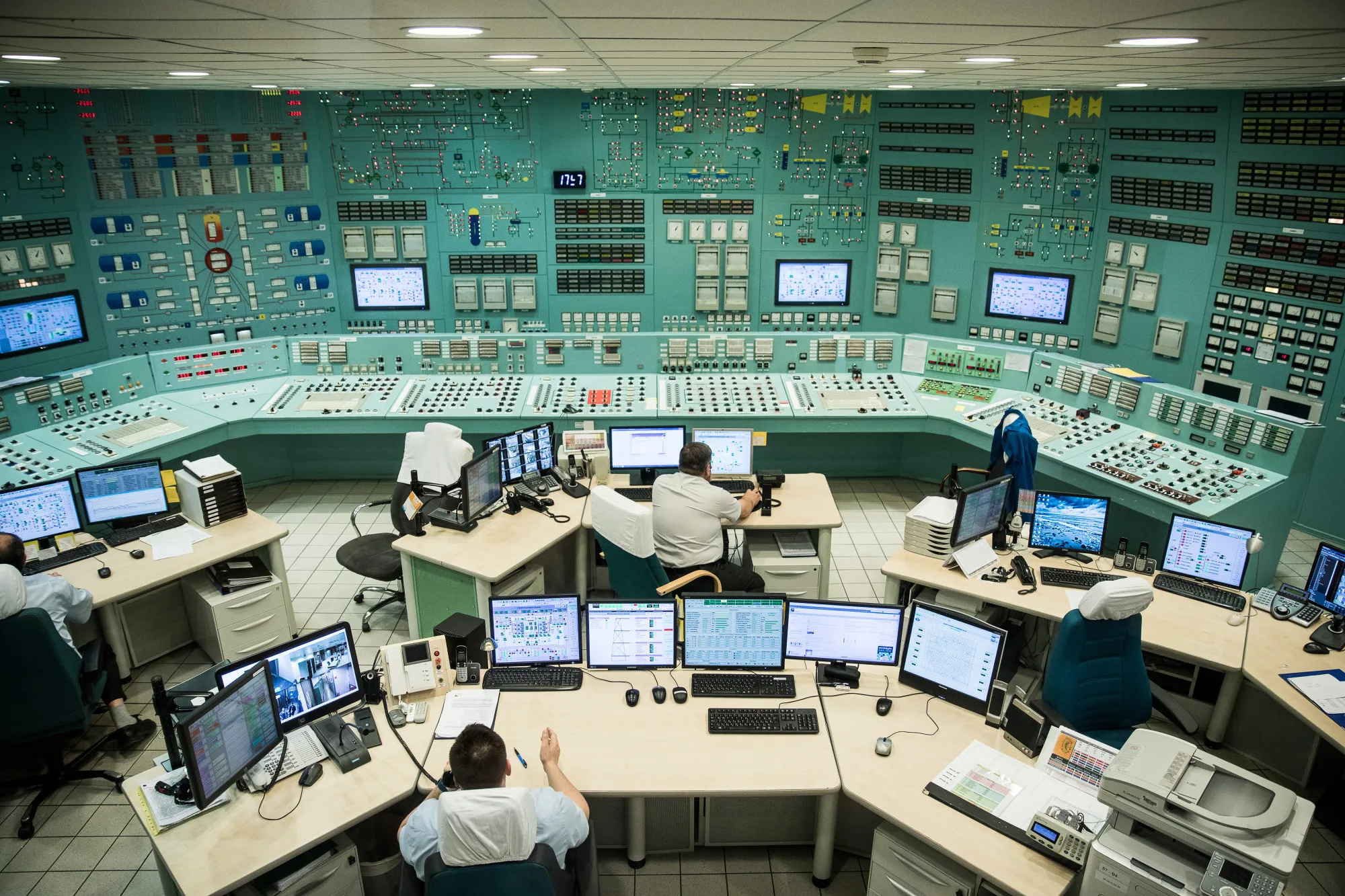
Officials at Hungary’s Paks Nuclear Power Plant have confirmed a substantial reduction in the generating capacity of its Block 2 reactor, anticipating a 50% decrease in output due to necessary repair work. This adjustment is expected to commence later this year, impacting the facility’s overall contribution to the national grid. The decision follows routine inspections and ongoing maintenance schedules, which identified issues requiring immediate attention to ensure long-term operational safety and efficiency.
The Paks plant, a cornerstone of Hungary’s energy infrastructure, operates four VVER-440 pressurized water reactors. Block 2, one of the older units, has been a consistent power provider since its commissioning decades ago. The upcoming repairs are part of a broader strategy to maintain the aging fleet while new units, Paks II, are under construction. This temporary cutback underscores the challenges inherent in managing an operational nuclear facility, where proactive maintenance is paramount.
While the exact duration of the repair period has not been explicitly stated, representatives from the plant indicated that engineers are working to minimize downtime. The 50% reduction in Block 2’s capacity will necessitate adjustments in the national energy dispatch, potentially increasing reliance on other generation sources, including imports. This situation brings into focus Hungary’s broader energy security landscape, particularly as European nations navigate fluctuating energy prices and supply chain complexities.
Energy analysts in Budapest are closely monitoring the situation, considering the potential implications for wholesale electricity prices and Hungary’s energy independence targets. The Paks plant typically accounts for a significant portion of the country’s electricity generation, making any prolonged reduction in output a matter of national economic interest. The government has previously emphasized its commitment to nuclear power as a stable and low-carbon energy source, making the smooth operation of existing units and the timely completion of new ones critical.
The repair work on Block 2 is expected to involve specialized crews and equipment, reflecting the intricate nature of nuclear power plant maintenance. Such operations are meticulously planned and executed under stringent safety protocols, often requiring specific regulatory approvals before proceeding. This methodical approach is standard practice across the nuclear industry, prioritizing safety and reliability above all else. The facility’s management has assured the public that all necessary precautions are being taken to ensure the repairs are conducted safely and effectively, with minimal disruption to the surrounding environment and communities. The situation at Paks provides a tangible example of the continuous investment and vigilance required to sustain nuclear energy production, even as the global energy transition gains momentum.