Staff Report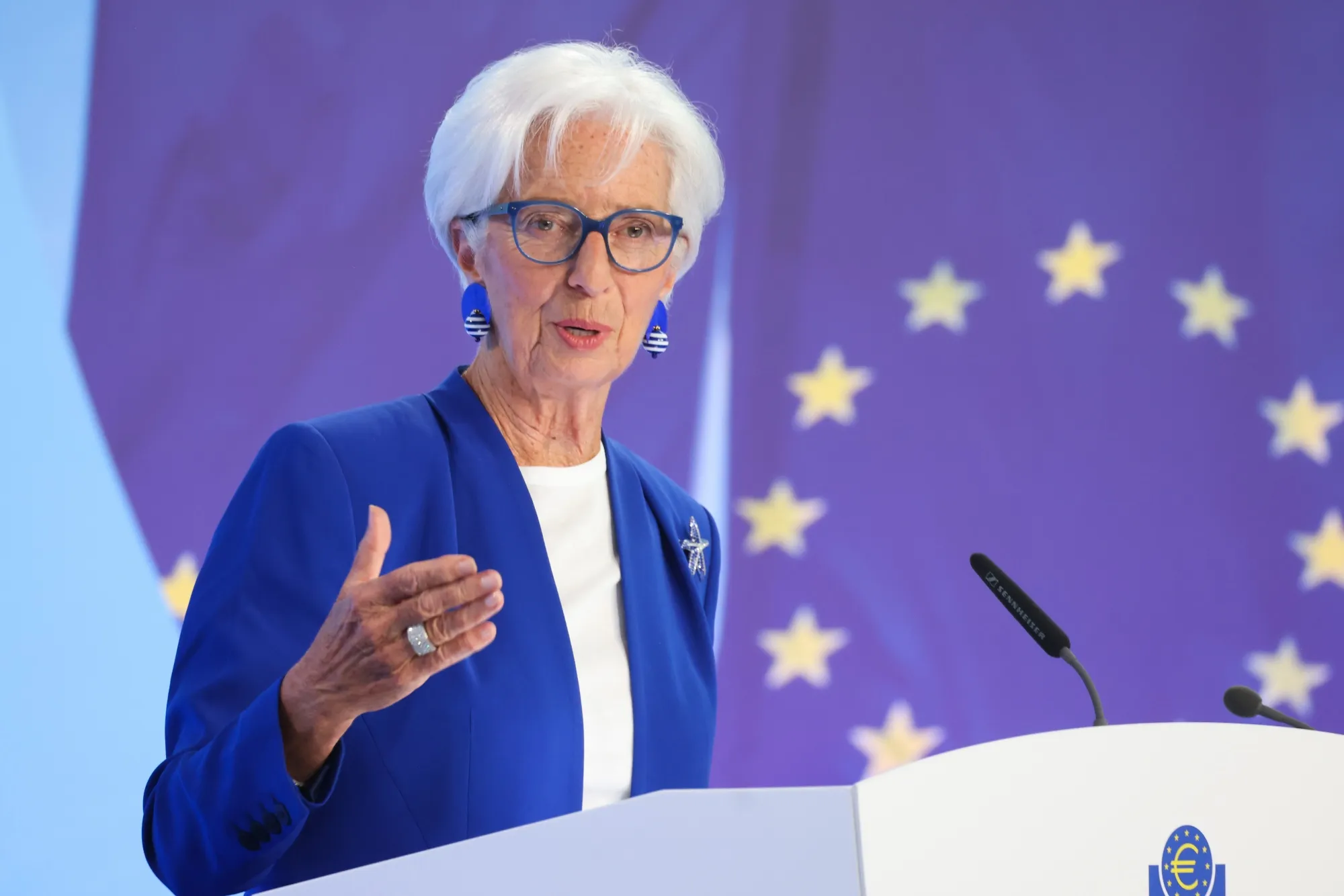
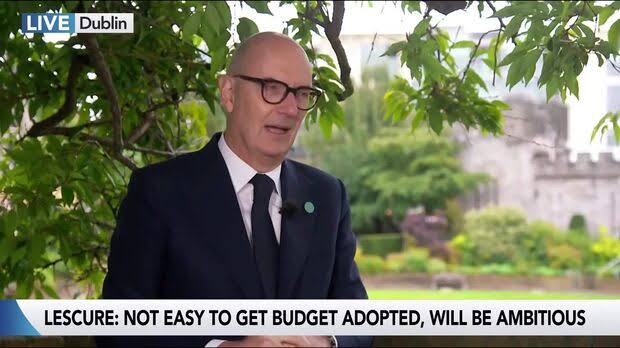
Christine Lagarde, President of the European Central Bank, recently articulated a growing concern that the persistent surge in energy prices is no longer confined to utility bills but is instead permeating every layer of the broader economy. This observation, delivered during a recent economic forum, signals a more entrenched inflationary pressure than previously anticipated, moving beyond the direct costs of fuel and heating to impact a wider array of goods and services. The initial expectation that energy shocks would remain somewhat isolated appears to be giving way to a more complex reality where these costs are now being passed down the supply chain, inevitably reaching consumers in unexpected ways.
Manufacturers, facing elevated input costs for everything from factory operations to transportation, are finding it increasingly difficult to absorb these increases, leading to higher prices for finished products. This trickle-down effect is evident across various sectors, from the production of raw materials to the final retail price of everyday commodities. Businesses that rely heavily on energy-intensive processes, such as agriculture and heavy industry, are particularly vulnerable, and the ripple effects are subsequently felt in food prices and construction costs. The phenomenon suggests a broader inflationary cycle where the initial energy impulse is amplified and disseminated throughout the economic fabric.
The ECB’s focus has, naturally, intensified on understanding the mechanisms by which these energy price hikes are spreading. Lagarde highlighted the risk of second-round effects, where initial price increases lead to demands for higher wages, which in turn feed back into further price rises, creating a potentially self-sustaining inflationary spiral. This dynamic presents a significant challenge for monetary policymakers, as distinguishing between temporary, supply-side shocks and more persistent, demand-driven inflation becomes crucial for appropriate policy responses. The ongoing conflict in Ukraine has, of course, exacerbated these pressures, introducing additional volatility into global energy markets and complicating the outlook.
While the European Central Bank has already initiated measures to combat inflation, including interest rate adjustments, the expansive nature of these energy-driven price increases suggests that the path to price stability may be more arduous than initially projected. The interconnectedness of modern supply chains means that a shock in one area, such as energy, can quickly propagate, affecting everything from logistics to labor costs. Businesses are grappling with how to manage these rising expenses without alienating consumers already facing their own financial constraints.
The economic landscape unfolding across the Eurozone, as described by Lagarde, underscores the delicate balance policymakers must strike. Aggressive monetary tightening risks stifling economic growth, while insufficient action could allow inflation to become embedded, leading to long-term economic instability. The coming months will undoubtedly test the resilience of European economies and the efficacy of the measures implemented to navigate these pervasive energy-driven inflationary pressures. The situation demands a nuanced understanding of economic interdependencies and a flexible approach to policy, as the influence of energy costs continues its widespread march across the economy.