Staff Report
Gas stations across several major Chinese provinces experienced a significant surge in traffic this week as drivers scrambled to fill their tanks ahead of a scheduled increase in domestic fuel prices. The rush began shortly after the National Development and Reform Commission signaled that retail prices for both gasoline and diesel would be adjusted upward to reflect the recent volatility in global crude markets. This synchronized movement at the pumps highlights the sensitivity of Chinese consumers to energy costs during a period of broader economic recalibration.
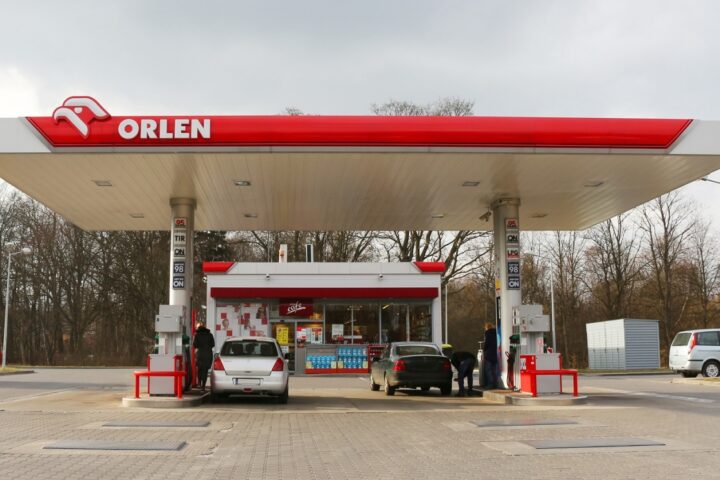
Long queues of passenger cars and heavy-duty trucks were observed late into the evening at various PetroChina and Sinopec stations. In urban centers like Shanghai and Guangzhou, some motorists reported waiting for over forty minutes to reach the pump. The urgency stems from a desire to secure lower rates before the price ceiling is officially raised, a move that analysts suggest could add a noticeable burden to monthly household budgets and logistics company overheads alike.
Under China’s current pricing mechanism, domestic refined oil prices are adjusted every ten working days. These adjustments are calculated based on changes in international crude oil prices, ensuring that the internal market remains somewhat insulated from extreme hourly fluctuations while still following the general global trend. With Brent crude maintaining a firm position above previous benchmarks, the upward revision became a mathematical certainty that savvy consumers were quick to anticipate.
Energy analysts point out that while a single tank of gas might only save a few dozen yuan, the psychological impact of rising energy costs often triggers these preemptive buying sprees. For many families, fuel represents one of the few remaining variable costs they can actively manage by timing their purchases. Furthermore, the logistics sector, which operates on razor-thin margins, feels the pressure even more acutely. Small-scale transport operators often coordinate their fleet refueling schedules specifically around these regulatory windows to shave off significant operational expenses.
Beyond the immediate inconvenience of long lines, the spike in demand serves as a broader indicator of China’s internal consumption patterns and its ongoing reliance on fossil fuels despite a rapid push toward electrification. While the adoption of electric vehicles in China is leading the world, the sheer volume of internal combustion engines currently on the road ensures that any shift in oil pricing remains a front-page news event. The government continues to balance the need for market-based pricing with the necessity of maintaining social and economic stability.
Looking ahead, market participants expect fuel demand to remain robust as the industrial sector maintains its steady output. However, the recurring phenomenon of ‘rushing the pumps’ underscores the challenges of managing a massive economy that is highly sensitive to the ebbs and flows of the international energy market. As global geopolitical tensions continue to influence oil production and shipping routes, Chinese consumers are likely to remain vigilant, keeping a close eye on the next ten-day window for any signs of further price hikes.