Staff Report
In a move that has sent shockwaves through Northern Europe, Danish Prime Minister Mette Frederiksen has officially announced a snap general election to be held this March. The decision comes at a time of profound international uncertainty, as the Nordic nation grapples with a rapidly changing diplomatic landscape. While Frederiksen’s government still held a narrow mandate, the leadership in Copenhagen has determined that a fresh democratic vote is necessary to navigate the complexities of a world increasingly influenced by the policy shifts emerging from Washington.
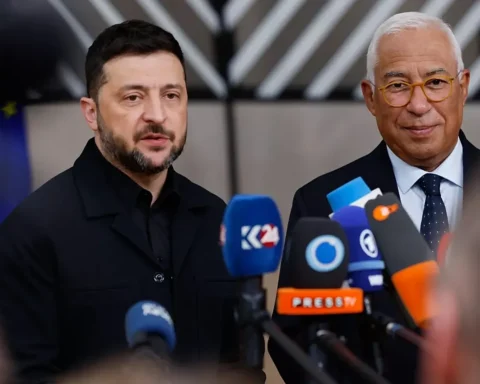
Addressing the public from the Christiansborg Palace, Frederiksen emphasized that Denmark stands at a historical crossroads. The Prime Minister noted that the return of unpredictable international trade policies and new security demands requires a government with a clear and updated mandate from the people. By moving the election forward, the Social Democratic leader hopes to consolidate support for a platform focused on national sovereignty, increased defense spending, and a robust economic response to potential tariffs that could impact the European Union.
Political analysts suggest that the timing of the election is no coincidence. Since the recent political shifts in the United States, European capitals have been forced to re-evaluate their reliance on traditional alliances. Denmark, a staunch NATO ally and a key player in the Arctic region, finds itself particularly exposed to changes in American foreign policy. The upcoming vote in March will serve as a litmus test for how Danish citizens want their country to position itself between its European neighbors and its transatlantic partners.
Opposition parties have wasted little time in launching their own campaigns, accusing the current administration of reacting out of fear rather than strategy. Conservative and Liberal leaders argue that the snap election is a tactical maneuver to catch the opposition off guard before the full economic impact of global trade disruptions is felt at the local level. They contend that Denmark needs a pro-business approach to weather the coming storm, focusing on deregulation and tax incentives to keep Danish exports competitive in a more protectionist global market.
Energy policy and climate goals are also expected to dominate the debate leading up to the March vote. Denmark has long been a global leader in wind energy and green technology, but the rising cost of living and the need for energy security have complicated the transition. The electorate is currently divided on whether to double down on ambitious climate targets or to prioritize industrial stability in an era where global energy markets are increasingly volatile. Voters will be forced to decide if they want to stay the course with the current center-left coalition or pivot toward a more right-leaning government that promises a harder line on immigration and fiscal restraint.
As the campaign season begins in earnest, the eyes of the European Union will be fixed on Copenhagen. This election represents more than just a domestic power struggle; it is a signal of how smaller European nations intend to survive and thrive in a world where the old rules of international cooperation are being rewritten. For Mette Frederiksen, the gamble is significant. If she secures a larger majority, she will have the authority to lead Denmark through one of the most challenging periods in modern memory. If the gamble fails, it could usher in a era of coalition building that might leave the country’s leadership more fragmented than ever.
With only weeks to go until the polls open, the Danish public is preparing for a high-stakes conversation about their place in the world. The March election will ultimately determine whether Denmark seeks deeper integration with its European partners or attempts to forge a more independent path in response to the shifting winds of global politics. Regardless of the outcome, the decision to head to the polls early marks a definitive end to political business as usual in the Nordics.