Staff Report
The global financial landscape is undergoing a significant realignment as geopolitical instability in the Middle East forces investors to reconsider their risk appetites. Following a period of relative calm, the recent escalation involving Iran has sent ripples through equity markets, creating a stark divide between sectors struggling with uncertainty and those reaping the benefits of increased defensive spending and supply chain concerns. Analysts are now closely monitoring a specific group of market winners that have historically thrived during periods of international conflict.
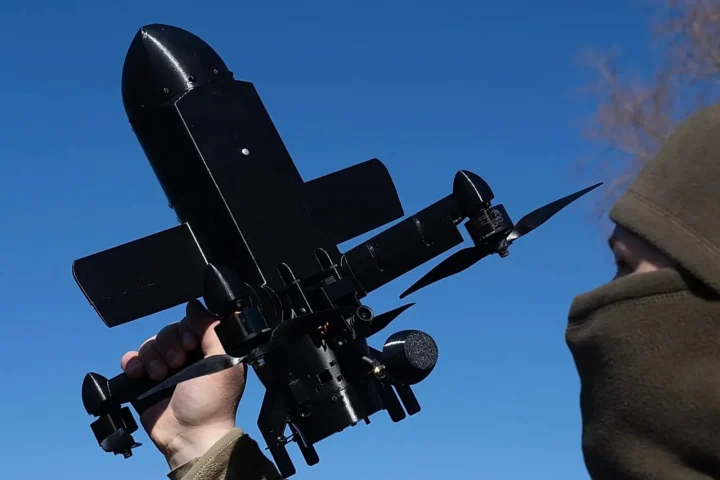
Defense contractors have emerged as the primary beneficiaries of this shift in the geopolitical climate. Companies like Lockheed Martin and Northrop Grumman have seen their valuations climb as the prospect of prolonged military engagement becomes a central theme for institutional investors. The logic behind this surge is rooted in the anticipation of increased procurement orders from both domestic and international governments seeking to bolster their strategic reserves. As modernized warfare requires more sophisticated missile defense systems and unmanned aerial vehicles, these established aerospace giants are positioned to capture a significant portion of the coming budgetary allocations.
Parallel to the rise in defense stocks, the energy sector is experiencing a renewed wave of momentum. The strategic importance of the Strait of Hormuz cannot be overstated, and any perceived threat to oil transit through this corridor immediately triggers a premium on crude prices. Major oil producers and domestic energy suppliers have seen their stock prices rise in tandem with Brent crude benchmarks. While higher energy costs generally pose a threat to global economic growth, for the shareholders of integrated oil companies, the current volatility represents a significant short-term tailwind that could lead to enhanced dividend payouts and aggressive share buyback programs.
Cybersecurity firms are also witnessing a surge in demand that mirrors the movements in the hardware-focused defense sector. Modern warfare is no longer confined to physical territory; the threat of state-sponsored cyberattacks against critical infrastructure has become a primary concern for corporations and governments alike. Investors are flocking to security software providers, betting that the current climate will force a massive upgrade in digital defenses across the banking, energy, and utility sectors. This transition from discretionary spending to essential security infrastructure is providing a floor for valuations even as the broader tech market faces headwinds from rising interest rates.
Shipping and logistics companies are navigating a more complex reality, yet certain players in the tanker industry are finding themselves in a lucrative position. As routes are diverted to avoid high-risk zones, the resulting increase in ton-miles is driving up spot rates for maritime transport. While this adds to global inflationary pressures, it creates a high-margin environment for shipping fleets that can manage the increased insurance costs and operational risks associated with traversing volatile waters. This niche performance highlights how conflict-driven disruptions often create pockets of profitability for those controlling the means of global trade.
However, market veterans caution that these gains are often tied to the duration and intensity of the conflict. A sudden de-escalation could lead to a rapid reversal of these ‘war trades’ as capital rotates back into growth-oriented sectors. Furthermore, the broader market remains vulnerable to the secondary effects of high oil prices, which could reignite inflation and force central banks to maintain hawkish monetary policies for longer than previously anticipated. The current market winners are benefiting from a flight to safety and strategic necessity, but the sustainability of this trend depends entirely on the diplomatic efforts occurring behind the scenes.
As the situation continues to evolve, the divergence between the winners and losers of this geopolitical event serves as a reminder of the market’s efficiency in pricing in risk. For now, the focus remains on the defense and energy sectors, which act as the primary engines of portfolio protection during times of international crisis. Investors are likely to remain cautious, keeping a close eye on regional developments while maintaining exposure to the companies that provide the essential tools for both kinetic and digital security.