Staff Report
The landscape of American environmental governance is undergoing a profound transformation as the Trump administration enters the second year of its renewed mandate. Since returning to the Oval Office, the President has prioritized a sweeping deregulation agenda that aims to strip away decades of oversight, citing the need for absolute energy independence and a reduction in bureaucratic friction. This strategy has moved beyond mere rhetoric, manifesting as a series of executive orders and budgetary reallocations that have left federal agencies like the Environmental Protection Agency and the Department of the Interior in a state of institutional flux.
At the heart of this shift is the aggressive rollback of emissions standards that previously governed the automotive and power sectors. By rescinding the stringent requirements set by the previous administration, the White House has signaled to the global community that the United States is pivoting away from international climate commitments. This move has been met with praise from heavy industry leaders who argue that lower compliance costs will stimulate domestic manufacturing and job growth. However, the rapid pace of these changes has also created a sense of uncertainty among corporations that had already begun investing billions into green technology and carbon reduction strategies.
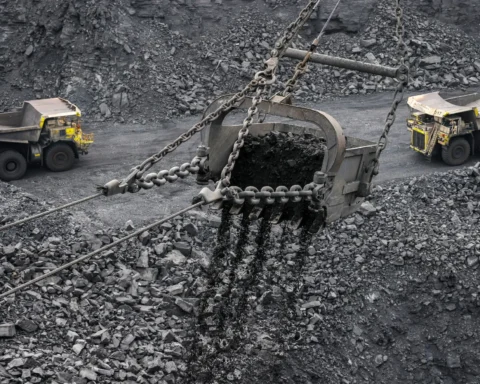
Simultaneously, the administration has initiated a massive expansion of drilling and mining leases on federal lands. Areas once protected for their ecological significance or proximity to indigenous communities are now being auctioned to the highest bidders in the oil and gas sectors. The President has framed this as a liberation of American natural resources, arguing that the country must capitalize on its fossil fuel reserves to maintain geopolitical leverage. Critics point out that this short-term economic gain may come at an irreversible cost to biodiversity and public health, as the safeguards intended to prevent industrial accidents are being systematically weakened.
Staffing changes within the civil service have further cemented this new direction. A significant number of senior scientists and policy experts have departed federal service, either through forced relocations or as a protest against the new policy directives. In their place, the administration has appointed industry veterans and legal scholars who specialize in challenging the constitutional authority of regulatory bodies. This shift in personnel ensures that even if future administrations attempt to restore previous protections, the institutional knowledge and legal frameworks required to enforce them will have been significantly eroded.
Legal battles are already looming as several state governors and environmental advocacy groups prepare to challenge these rollbacks in the Supreme Court. These litigants argue that the executive branch has exceeded its authority by ignoring the scientific mandates established in the Clean Air Act and other foundational laws. However, with a judiciary that has become increasingly skeptical of the administrative state, the White House appears confident that its deregulatory wins will hold. The coming months will determine whether the American legal system can provide a check on this unprecedented dismantling of environmental policy or if the era of federal climate leadership has come to a definitive end.