Staff Report
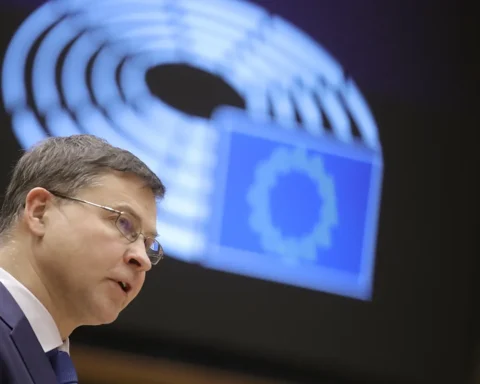
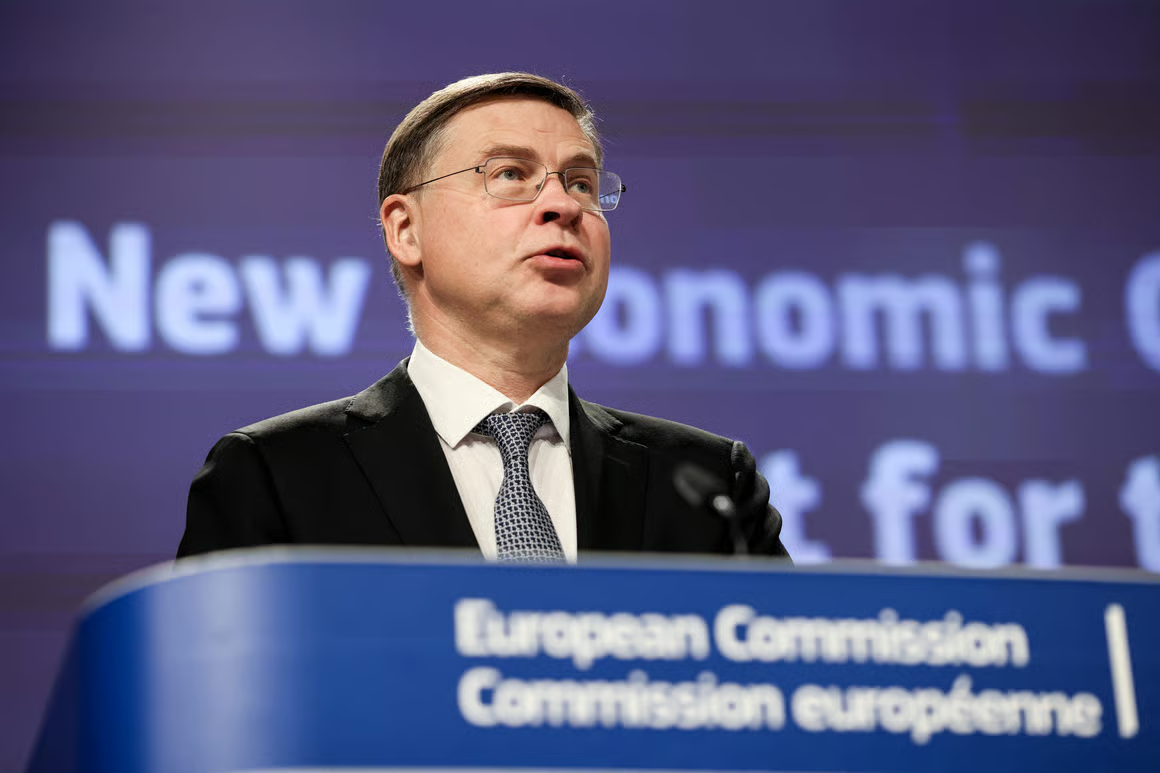
The European Commission has moved swiftly to distance itself from suggestions that it has formally recognized or validated a new international initiative spearheaded by the incoming United States administration. Dubravka Suica, the European Commissioner for Democracy and Demography, issued a firm clarification regarding the Union’s relationship with the so-called Board of Peace organized by Donald Trump. The statement comes at a sensitive time for transatlantic relations as Brussels prepares for a significant shift in American foreign policy and diplomatic engagement.
Speaking during a session aimed at outlining the future of European external relations, Suica emphasized that the mere existence of dialogue or the presence of European figures in proximity to the project does not equate to institutional legitimacy. The controversy erupted following reports that certain political circles within Europe had expressed interest in the initiative, leading to concerns that the European Union might be fragmenting in its unified approach to global security and mediation. Suica’s remarks were intended to reassure member states and international partners that the EU remains committed to established multilateral frameworks rather than unverified independent boards.
At the heart of the matter is the Board of Peace, a concept promoted by Trump as a vehicle for resolving long-standing global conflicts through non-traditional diplomatic channels. While proponents of the board argue that it offers a fresh perspective on stagnant geopolitical issues, critics within the European Parliament have labeled it a potential circumvention of the United Nations and other international bodies. Suica underscored that the European Union’s diplomatic weight is built on treaty-based cooperation and that any formal partnership with new entities would require rigorous vetting and a consensus among the twenty-seven member states.
Internal dynamics within the Commission suggest a growing wariness of personal diplomacy that bypasses official channels. The Commissioner noted that while individual political actors may choose to engage with the Trump administration’s various projects, these actions are not representative of the European Union as a whole. This distinction is vital for maintaining the integrity of the EU’s Common Foreign and Security Policy. By speaking out now, Suica is attempting to prevent the narrative that the EU has already pivoted toward the specific geopolitical strategies favored by the Republican leadership in Washington.
The timing of these comments is particularly relevant as European leaders grapple with the implications of a second Trump term. Security in Eastern Europe, trade relations, and climate commitments remain high on the priority list for Brussels. The fear among many diplomats is that legitimizing ad-hoc boards could undermine the strategic autonomy that the EU has worked to build over the last decade. Suica reiterated that the Union’s strength lies in its adherence to international law and its own democratic values, which serve as the primary lens through which it views all new diplomatic proposals.
As the transition in Washington continues, the European Commission is expected to release further guidelines on how its representatives should interact with unofficial American advisory bodies. For now, the message from Suica is clear: the European Union is watching with interest but maintains a strictly formal distance. The focus remains on strengthening the existing foundations of the transatlantic alliance rather than chasing the perceived novelty of emerging political committees. This clarification serves as a reminder that in the complex world of global diplomacy, recognition is a currency that the European Union is not prepared to spend lightly.