 Staff Report
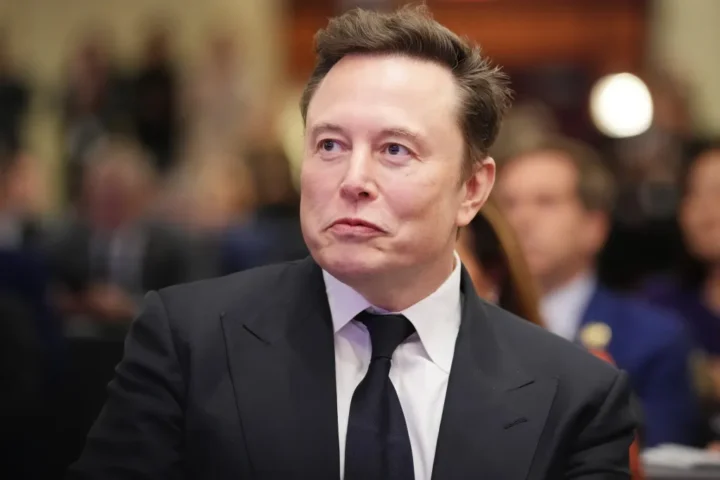
The social media landscape is witnessing a significant shift as X, the platform formerly known as Twitter, attempts to navigate the increasingly stringent regulatory environment of the European Union. Under the leadership of Elon Musk, the company has formally proposed a series of substantial changes to its verification systems. This move comes as a direct response to intensifying pressure from Brussels, where regulators recently leveled a staggering €120 million fine against the platform for alleged non-compliance with regional digital safety standards.
At the heart of the dispute is the controversial Blue checkmark system, which underwent a radical transformation following Musk’s acquisition of the company. Historically, the checkmark served as a tool for authenticating public figures, journalists, and official entities. However, the transition to a subscription-based model led to widespread concerns regarding misinformation and the potential for deceptive accounts to gain unearned credibility. European regulators argued that the current implementation misled users and failed to provide the transparency required under the Digital Services Act.
In a bid to mitigate further financial penalties and restore a working relationship with the European Commission, X has outlined a technical fix designed specifically for the European market. The proposal includes more rigorous identity vetting processes for premium subscribers and clearer distinctions between different types of verified accounts. This localized approach suggests that the company is beginning to accept the reality that a one-size-fits-all global policy may no longer be viable in a world where digital sovereignty is becoming a priority for major economic blocs.
Internal sources indicate that the proposed changes will involve a multi-tiered authentication process. Users seeking verification in EU member states may be required to provide government-issued identification that is cross-referenced against secure databases. While this adds a layer of friction to the user experience that Musk has previously tried to avoid, it represents a necessary compromise to ensure the platform remains accessible in one of its most lucrative markets. The threat of even larger fines, which can reach up to six percent of a company’s global annual turnover, has clearly accelerated the timeline for these reforms.
Economic analysts suggest that this pivot is about more than just avoiding fines; it is about platform stability. Advertisers have remained cautious about spending on X due to concerns over brand safety and the prevalence of unverified or bot-driven content. By aligning with European standards, Musk may be hoping to signal to the global business community that the platform is maturing and is willing to implement the guardrails necessary for a professional advertising environment. This could be a turning point for the company’s struggling revenue streams as it seeks to regain the trust of blue-chip brands.
However, the implementation of these changes is not without its critics. Free speech advocates have expressed concern that more stringent verification requirements could lead to a loss of anonymity for activists and whistleblowers who rely on the platform to share information safely. There is also the question of data privacy. By collecting government identification from a larger portion of its user base, X becomes a more significant target for cyberattacks, placing a heavy burden on the company to maintain world-class security infrastructure at a time when its engineering staff has been significantly reduced.
The European Commission has acknowledged receipt of the proposal but has not yet issued a final verdict on whether the changes go far enough to satisfy the requirements of the Digital Services Act. Regulators are expected to conduct a thorough audit of the new verification workflow before officially lifting the threat of further sanctions. This period of scrutiny will be a litmus test for the platform’s technical agility and its ability to balance ideological commitments to open discourse with the legal requirements of international law.
As the situation unfolds, other social media giants are watching closely. The outcome of the negotiations between X and the EU will likely set a precedent for how digital platforms manage identity and verification across different jurisdictions. For Elon Musk, the challenge remains clear: he must find a way to preserve the disruptive spirit of his platform while operating within the boundaries of a global regulatory framework that is no longer willing to look the other way.