Staff Report
A significant diplomatic rift has emerged within the European Union as France signals its intent to block a controversial proposal aimed at accelerating the passage of international trade agreements. The initiative, championed by the European Commission and several northern member states, seeks to bypass the lengthy process of national parliamentary ratifications by reclassifying certain treaties as EU-only deals. This shift would allow for a swifter implementation of commerce pacts with global partners, including the Mercosur bloc and various Indo-Pacific nations.
At the heart of the dispute is the principle of democratic oversight versus economic efficiency. Under the current framework, comprehensive trade agreements often require the unanimous consent of all member states, followed by a grueling ratification process in dozens of regional and national parliaments. This system has led to years of delays, with the landmark CETA agreement with Canada serving as a primary example of how localized political opposition can nearly derail multi-billion dollar international partnerships.
French President Emmanuel Macron has become the most vocal critic of the proposed fast-track mechanism. Paris argues that removing the voice of national legislatures from the trade process risks alienating European citizens and fueling populist sentiments. Furthermore, the French government remains deeply concerned about the environmental and agricultural implications of upcoming deals. French farmers, who wield significant domestic political influence, have consistently protested against trade pacts they believe would flood the European market with low-cost agricultural products that do not meet the bloc’s stringent production standards.
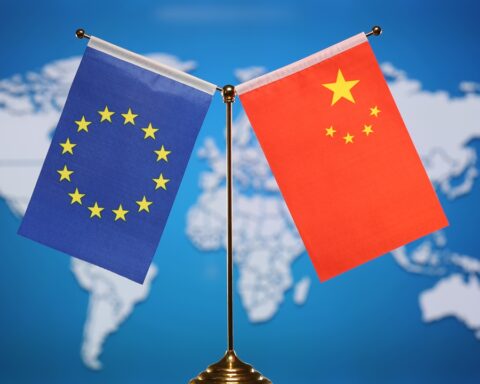
The timing of this blockade is particularly sensitive for the European Commission. As global geopolitical tensions rise and supply chains remain vulnerable, many in Brussels argue that the EU must be able to act with greater agility on the world stage. Proponents of the streamlining plan suggest that if the union cannot finalize trade deals within a reasonable timeframe, it risks losing influence to competing economic powers like China and the United States, who are aggressively pursuing their own bilateral interests.
Germany and the Netherlands have traditionally supported efforts to simplify the trade process, viewing it as a vital necessity for a continent that relies heavily on exports. However, the French resistance creates a formidable obstacle that may require a significant compromise. Analysts suggest that the European Commission may be forced to offer concessions on environmental safeguards or mirror clauses, which would ensure that imported goods meet the same ecological standards as those produced within the EU.
The standoff also highlights the broader tension between deeper European integration and the preservation of national sovereignty. By insisting on the involvement of national parliaments, France is effectively asserting that trade policy is too significant to be managed solely by technocrats in Brussels. This position resonates with several other member states, including Austria and parts of the Belgian government, who have expressed similar reservations about the democratic deficit inherent in fast-tracking complex international treaties.
As the debate continues to unfold in the corridors of power in Brussels, the future of the EU’s trade agenda remains uncertain. Negotiations over the coming months will likely focus on finding a middle ground that allows for some level of acceleration without completely stripping away the oversight of domestic lawmakers. For now, the French blockade stands as a firm reminder that despite the push for a more unified and efficient Europe, the diverse political interests of individual member states continue to define the limits of the union’s collective ambition.