Staff Report
The geopolitical shockwaves emanating from the Middle East have reached a critical threshold as the shadow of Iranian military influence stretches toward the periphery of the European continent. For decades, European capitals viewed Middle Eastern instability as a distant humanitarian concern or a manageable migration challenge. That era of relative insulation has ended abruptly. The proliferation of drone technology and the deepening of strategic alliances between Tehran and Moscow have effectively integrated the security of the Persian Gulf with the stability of the European heartland.
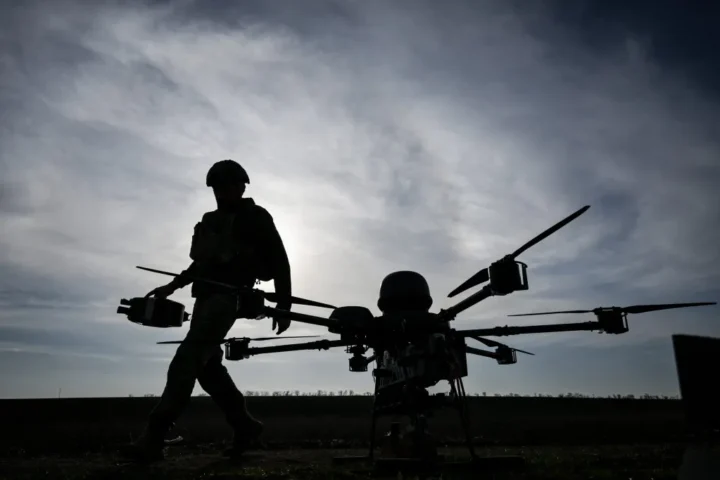
European defense ministers are now grappling with a reality where Iranian military hardware is actively deployed on the European landmass. The presence of sophisticated loitering munitions and tactical ballistic missiles in the hands of regional actors has forced a total reevaluation of air defense capabilities from Warsaw to Berlin. This is no longer a theoretical exercise in foreign policy but a direct challenge to the territorial integrity and tactical sovereignty of the European Union. The traditional reliance on the United States for regional mediation is being tested as the proximity of the conflict demands a more autonomous and proactive European response.
Economic implications are equally profound. The potential for a wider conflagration involving Iran threatens the critical maritime arteries that provide Europe with energy and trade goods. A disruption in the Strait of Hormuz or the Bab el-Mandeb strait would send inflationary ripples through an already fragile European economy. Leaders in Brussels are increasingly aware that the continent cannot remain a passive observer to a war that has the potential to paralyze its industrial base. The push for strategic autonomy, once a French-led intellectual project, has become a survival necessity for the entire bloc.
Furthermore, the psychological impact on the European citizenry cannot be understated. The return of large-scale military hardware to the borders of the continent has resurrected cold war anxieties. Diplomats are finding it increasingly difficult to balance the desire for de-escalation with the need for credible deterrence. As Iran expands its technological footprint, Europe must decide whether to continue its policy of cautious engagement or pivot toward a more robust containment strategy. The coming months will determine if the continent can forge a unified front or if internal divisions will leave it vulnerable to the encroaching storm.
Ultimately, the convergence of Middle Eastern volatility and European security signifies a new chapter in global affairs. The borders of conflict are no longer clearly defined by geography. In an era of interconnected threats, the illusion of European tranquility is fading. The continent must now prepare for a prolonged period of vigilance, investing heavily in both diplomatic capital and military readiness to ensure that the fires of regional war do not cross the threshold into a wider continental disaster.