Staff Report
The persistent volatility characterizing the relationship between Iran and Western powers has entered a precarious new phase, sending shockwaves through international financial centers. As geopolitical frictions intensify, the global economy faces a series of structural challenges that could derail the fragile recovery witnessed over the last fiscal year. Analysts are increasingly concerned that the traditional mechanisms used to buffer the market against Middle Eastern instability may no longer be sufficient to prevent a broader inflationary surge.
Energy security remains at the forefront of the discussion. Iran’s strategic position near the Strait of Hormuz allows it to exert significant influence over one of the world’s most critical maritime chokepoints. Approximately one-fifth of the world’s total oil consumption passes through this narrow waterway daily. Even minor disruptions or the mere threat of naval blockades can cause immediate spikes in Brent crude prices. For industrialized nations already grappling with the tail end of a cost-of-living crisis, a sustained increase in energy costs represents a direct threat to consumer spending and industrial output.
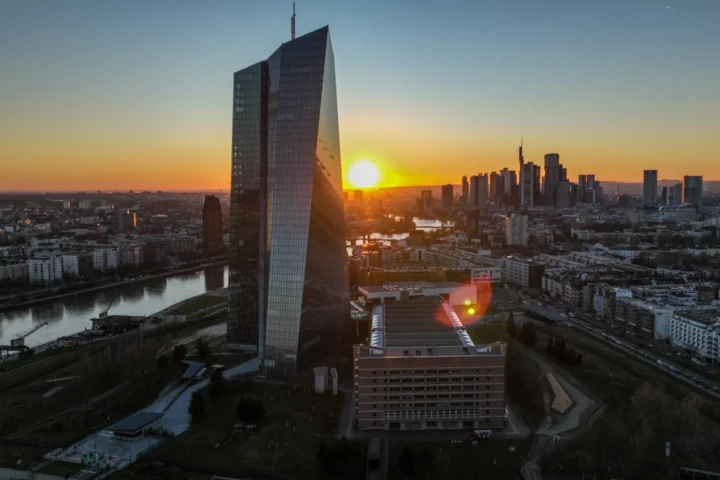
Beyond the immediate impact on oil prices, the uncertainty is beginning to permeate the global supply chain. Shipping insurance premiums for vessels navigating the Persian Gulf have climbed to multi-year highs, forcing logistics companies to rethink their routes. When shipping costs rise due to security risks, the expense is invariably passed down to the end consumer, contributing to a sticky inflationary environment that central banks are desperate to cool. This creates a difficult dilemma for the Federal Reserve and the European Central Bank, as they must balance the need for high interest rates to fight inflation against the risk of stifling economic growth.
Investment sentiment has also shifted toward a defensive posture. Gold and other safe-haven assets have seen increased inflows as institutional investors hedge against a potential escalation. Emerging markets, which are often more sensitive to fluctuations in the U.S. dollar and global risk appetite, are feeling the brunt of this capital flight. Countries that rely heavily on energy imports are particularly vulnerable, facing the dual pressure of a rising import bill and a weakening domestic currency. This dynamic risks triggering a new wave of sovereign debt concerns in regions already struggling with fiscal deficits.
Diplomatic efforts continue in the background, yet the lack of a clear resolution keeps the market in a state of perpetual anxiety. Professional economists note that the ‘geopolitical risk premium’—the extra cost added to commodities due to political instability—has become a permanent fixture of the current market landscape. Unlike previous decades where such shocks were often transitory, the current fragmentation of global trade makes the world less resilient to localized conflicts. The shift toward regionalism and the decoupling of major economies mean that a spark in the Middle East can have disproportionately large effects on global trade alliances.
As we look toward the next quarter, the focus will remain on whether these tensions can be contained or if they will spill over into a broader regional confrontation. The interconnectedness of modern finance means that a disruption in one sector can rapidly cascade through others. For now, the global economy remains on high alert, navigating a landscape where political calculations are just as important as corporate earnings reports. The ability of international institutions to coordinate a response will be tested as the world watches the unfolding situation with bated breath.