Staff Report
European Union diplomats are intensifying efforts to resolve a persistent diplomatic standoff involving the Druzhba oil pipeline as pressures mount to unify the bloc’s energy strategy. A specialized fact-finding mission is now underway in the region designed to provide the technical clarity necessary to satisfy Budapest and secure a removal of the long-standing Hungarian veto on critical aid packages. This move represents a significant shift in strategy for Brussels as it seeks to move beyond rhetoric and into the realm of logistical verification.
The mission is focused on the southern branch of the Druzhba network which remains a vital artery for landlocked Central European nations. Hungary has historically argued that its energy security is tied inextricably to this infrastructure and that any disruption without a viable alternative would cause irreparable harm to its domestic economy. By sending experts to conduct an on-the-ground assessment of the pipeline’s current operational status and safety protocols, the European Commission hopes to address these concerns with hard data rather than political promises.
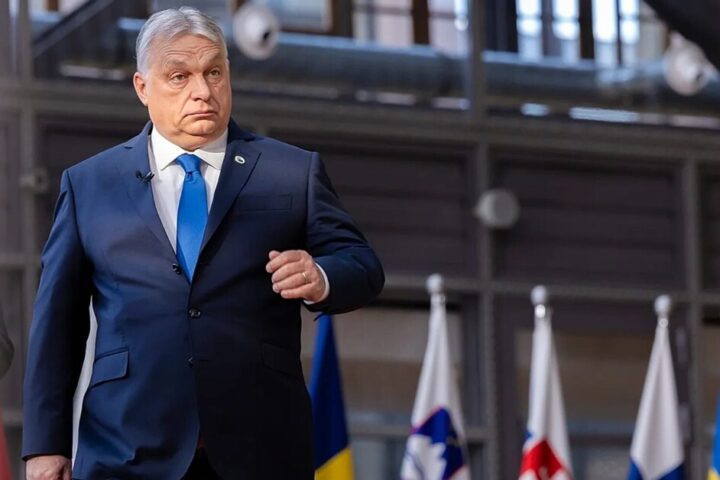
Energy security has become the primary point of friction between Prime Minister Viktor Orban and the executive branch of the European Union. While most member states have successfully diversified their energy portfolios away from traditional eastern sources, Hungary remains heavily reliant on the Druzhba system. This dependency has granted Budapest significant leverage in negotiations over broader security and financial measures. The current mission is seen as a gesture of goodwill by Brussels intended to demonstrate that the concerns of individual member states are being taken seriously even as the union pushes for greater collective action.
Technical experts involved in the mission are expected to scrutinize the transit fees, flow rates, and maintenance requirements of the pipeline. There have been conflicting reports regarding the long-term viability of the southern route and the feasibility of transitioning to alternative pipelines like the Adria link through Croatia. If the fact-finding mission can prove that alternative routes are reliable and cost-effective, it may undermine the technical basis for the Hungarian veto. Conversely, if the mission confirms significant infrastructure gaps, it may force Brussels to provide additional financial incentives to facilitate a transition.
The implications of this mission extend far beyond energy policy. The unity of the European Union has been tested repeatedly over the last two years and the veto power held by single nations has often slowed the response to international crises. By addressing the specific technical grievances cited by Hungary, European leaders hope to create a template for resolving similar disputes in the future. This approach prioritizes expert analysis over ideological debate which some analysts believe is the only way to navigate the complex internal politics of the bloc.
Market analysts are watching the developments closely as the Druzhba pipeline remains a key factor in regional oil pricing. Any shift in the status of the pipeline or the political agreements surrounding it could have immediate effects on energy markets across Central Europe. For now, the successful deployment of the fact-finding mission has provided a temporary reprieve in tensions, offering a window of opportunity for a negotiated settlement that would finally allow stalled European initiatives to move forward.