Staff Report
Brussels is sounding the alarm on the necessity of a cohesive economic front as shifting global trade dynamics and geopolitical tensions threaten to destabilize the Eurozone. In a series of high-level briefings this week, senior European Union officials emphasized that the era of individual member states acting in isolation must come to an end if the continent hopes to weather the current storm of market unpredictability.
The core of the concern lies in the divergent fiscal paths currently being taken by various member nations. While some northern economies are pushing for a return to strict austerity and debt reduction, others in the south argue that aggressive investment is the only way to stimulate growth and protect domestic industries from international competition. This lack of a synchronized strategy has historically left the Euro vulnerable to speculative attacks and capital flight during periods of global uncertainty.
European Commission representatives pointed to the recent fluctuations in energy prices and the ongoing supply chain disruptions as evidence that a fragmented approach is no longer sustainable. They argue that when one major economy within the bloc shifts its regulatory or spending framework without consulting its neighbors, it creates a ripple effect that can undermine the stability of the common currency. The call for alignment is not merely about solidarity but about the practical necessity of creating a predictable environment for institutional investors and private enterprises alike.
Furthermore, the rise of protectionist policies in other major global markets, particularly in North America and Asia, has put the European Union in a precarious position. Officials noted that unless member states can agree on a unified industrial policy that mirrors the scale of their competitors, the region risks losing its technological edge and manufacturing base. This unified stance would involve shared goals for green transitions, digital infrastructure, and defensive spending, ensuring that the bloc speaks with one voice on the international stage.
Critics of the push for deeper alignment often cite the loss of national sovereignty as a primary concern. However, proponents argue that in a globalized economy, true sovereignty is only achieved through collective strength. They suggest that the small or mid-sized nations of Europe lack the individual leverage to negotiate favorable terms with global superpowers or to single-handedly mitigate the impacts of a massive market downturn. By aligning their fiscal and monetary goals, European nations provide a more robust buffer against external shocks.
The path forward remains fraught with political hurdles. Upcoming national elections in several key member states could shift the internal balance of power, potentially complicating the drive for a centralized economic strategy. Despite these challenges, the message from Brussels remains clear: the cost of inaction and fragmentation is far higher than the political difficulty of coordination. The coming months will be a critical test of whether the European Union can transform these warnings into a concrete, enforceable framework for stability.
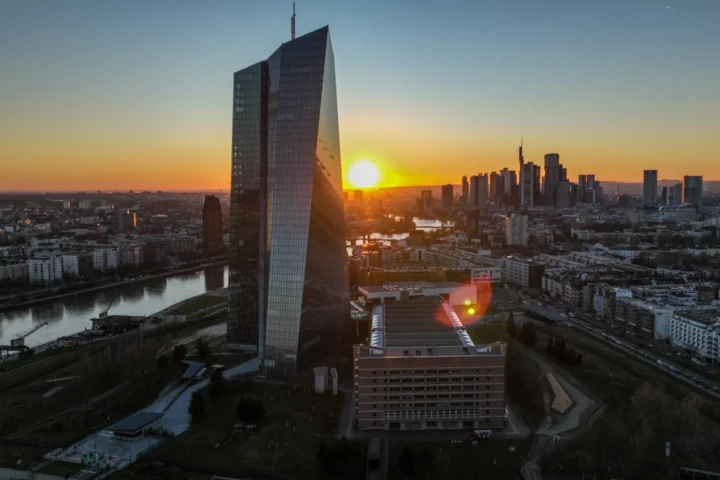
As the European Central Bank continues to navigate the complexities of inflation and interest rate adjustments, the support of a unified fiscal policy from member governments is seen as the missing piece of the puzzle. Investors are watching closely to see if the rhetoric of unity will translate into legislative reality, or if the bloc will remain a collection of competing interests in an increasingly volatile world.